
Description
Product Overview
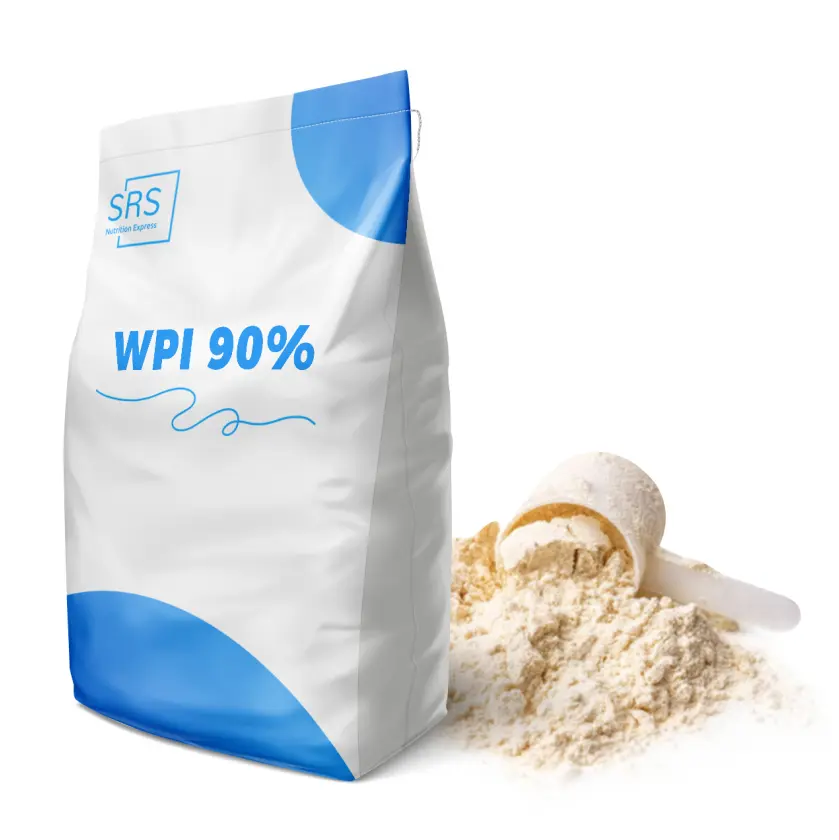
Whey Protein Isolate (WPI 90) is a high-purity dairy-derived protein powder standardized to approximately 90% protein on a dry basis. Engineered for industrial and ingredient-manufacturing use, it delivers a concentrated, low-fat, low-lactose protein source for food, beverage, nutraceutical, and specialized formulation applications. Its key value proposition is consistent high protein yield with minimal off-flavors or impurities, enabling formulators to meet nutritional targets while simplifying processing and compliance. Strategically, WPI 90 is a critical upstream ingredient for manufacturers prioritizing protein density, label transparency, and scalable supply chains.
Key Specifications & Technical Characteristics
-
Chemical composition: Predominantly whey-derived protein fractions (β-lactoglobulin, α-lactalbumin, serum albumin, immunoglobulins), residual minerals (calcium, potassium), trace lactose.
-
Purity / grade: Protein content ~90% (dry basis), moisture <5%.
-
Nutritional profile: Low fat (<1.5%), low lactose (<1.0%), total ash typically 5–7% (batch-dependent).
-
Microbiological limits: Total plate count, yeast & mold, coliforms, and absence of pathogens per customer-specified standards (e.g., ISO, FSMA, or EU food safety requirements).
-
Physical characteristics: Free-flowing fine powder; color: off-white to cream; typical bulk density 0.35–0.55 g/mL; solubility high in aqueous systems; particle size distribution tailored for spray-dried WPI (median D50 typically 50–150 µm; customizable on request).
-
Functional properties: Rapid dispersibility, excellent emulsification and gelation properties, neutral to mild dairy flavor profile.
-
Packaging options: 25 kg multi-wall kraft bags with PE liner, 500–1,000 kg FIBC (bulk bags), or ISO tank/bladder solutions for liquid-concentrate variants (subject to qualification).
-
Shelf life & storage: Recommended shelf life 12–24 months from production when stored in cool, dry conditions (≤25°C, RH <65%); avoid direct sunlight and odors.
-
Compliance: Manufactured under GMP; documentation available: COA, SDS, product specification, allergen statement, and certificate of origin. Additional third-party testing and halal/halal/kosher certifications available upon request.
Core Industrial Applications
-
Food & Beverage Manufacturing: Protein fortification in ready-to-drink beverages, sports nutrition powders, dairy analogs, bakery, and confectionery; used where high protein density with low lactose and fat is required.
-
Nutraceuticals & Supplements: Base ingredient for high-protein formulations, protein bars, meal replacements, and medical nutrition products that demand high bioavailable protein and clean labeling.
-
Infant & Specialized Nutrition (where regulatory approvals permit): Component in therapeutic nutrition and clinical formulations requiring stringent quality and low contaminant profiles.
-
Functional Ingredient Supply: Employed by ingredient formulators as an emulsifier, foaming agent, or gelling modifier to improve texture and mouthfeel, reducing need for additional texturants.
Why it outperforms alternatives: -
Higher protein-to-bulk ratio than concentrates reduces transportation and formulation costs per unit protein.
-
Low lactose and fat reduce downstream processing complexity and enhance shelf stability in finished goods.
-
Consistent functional performance (solubility, emulsification) reduces batch variability and improves process yields.
Competitive Advantages
-
Quality consistency: Tight in-spec production with batch-level COA ensures predictable formulation performance and regulatory traceability.
-
Supply reliability: Dedicated production scheduling and multi-sourced whey streams minimize disruption risk; scalable capacity for large-volume contracts.
-
Logistics capability: Standard packaging optimized for automated handling; support for containerized bulk (20 MT) shipments and local distribution planning.
-
Price competitiveness: Economies of scale and optimized upstream sourcing enable competitive pricing per kg of protein versus smaller-volume suppliers.
-
Sustainability benefits: Option for supply chains with waste-reduction practices and supplier audits; potential for lower carbon footprint via regional sourcing and consolidated shipments (details available per contract).
-
Technical support: Full documentation suite (COA, SDS, technical datasheets), formulation support, and optional lab-scale samples for validation.
Commercial & Supply Information
-
Minimum order quantity (MOQ): BULK 20 MT.
-
Loading capacity: Standard 20 MT per 20-foot container (bulk-loaded in FIBCs or 25 kg bags depending on packing configuration).
-
Lead time: Typically subject to contract and current capacity—confirm for firm delivery schedule.
-
Terms & documentation: COA and SDS provided with each shipment; custom QC parameters, third-party testing, and certification support available on request.

Reviews
There are no reviews yet.