
Description
Product Overview
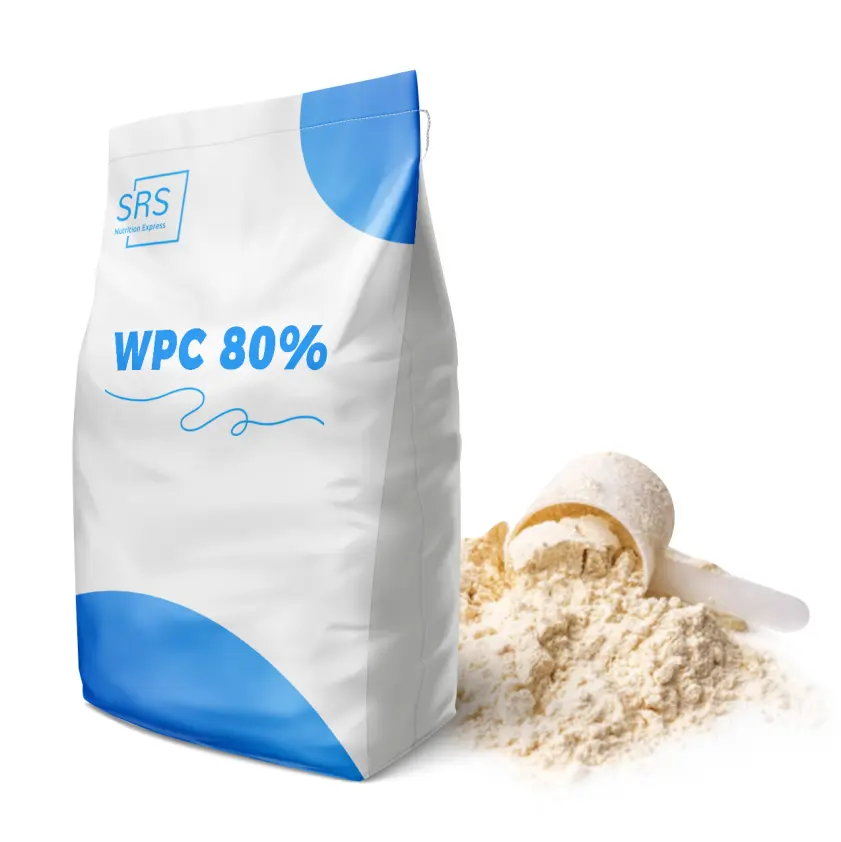
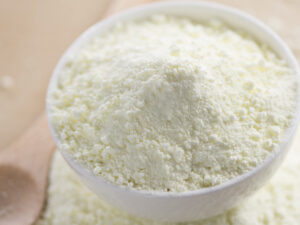
Whey Protein Concentrate (WPC 80) is a high-protein dairy-derived concentrate containing ~80% protein on a dry-weight basis, produced via membrane filtration and low-heat drying to preserve functional properties. It serves as a versatile functional ingredient for food, beverage, nutraceutical, and specialized industrial formulations where high protein content, solubility, and reliable functional performance are required. WPC 80 delivers strong emulsification, gelation, and water‑binding capabilities while providing a cost-efficient protein source compared with isolates, making it strategically important for formulators seeking performance-to-cost optimization. Its consistent composition and processing controls make it a dependable bulk raw material for large-scale manufacturing and private-label production.
Key Specifications & Technical Characteristics
-
Chemical composition: Predominantly bovine milk proteins (casein traces possible), lactose, minerals (ash), and moisture.
-
Protein content (dry basis): Approximately 78–82% (typical 80%).
-
Moisture: Typically ≤ 5–6% (product dependent).
-
Fat: Typically 6–10% (varies by grade).
-
Ash (mineral content): Typical 6–8%.
-
Lactose: Residual lactose content proportional to filtration cut; specified on COA.
-
Microbiology: Produced to meet food‑grade microbiological limits; pathogen-free per specifications (COA required).
-
Physical form: Fine powder, free-flowing.
-
Color/appearance: Creamy white to pale beige.
-
Solubility: Rapid dispersibility in water; high solubility index under standard mixing conditions.
-
Particle size: Typical powder particle distribution optimized for processing (specific PSD available on request).
-
Bulk/tapped density: Specified per lot; typical bulk density range 0.35–0.60 g/mL.
-
Functional properties: Good emulsification, foaming, gelation, water retention, and heat stability under specified conditions.
-
Packaging options: 25 kg laminated kraft bags with PE liner; 500–1,000 kg FIBC (bulk bags); isotainers or tanker loading for large orders (by agreement).
-
Shelf life: Typical 12–18 months when stored in sealed packaging, cool (≤25°C), dry, and protected from direct sunlight; storage recommendations provided on COA.
-
Certifications/documentation: Certificate of Analysis (COA), allergen declaration (milk), GMP compliance, and optional HACCP/ISO/FDA export documentation upon request.
Core Industrial Applications
-
Food & Beverage manufacturing: High-protein formulations (nutrition bars, RTD protein drinks, bakery, dairy analogs), texture and mouthfeel enhancement, protein fortification, and rehydration-stable systems.
-
Nutraceuticals & supplements: Base ingredient for protein powders, meal-replacement systems, and sports nutrition products; offers cost-effective protein density with retained bioactivity.
-
Infant & clinical nutrition (where permitted): Protein enrichment and functional emulsification in controlled formulations subject to regulatory and formulation constraints.
-
Animal feed & pet food: Protein fortification and palatability improvement in dry and wet feed formulations.
-
Industrial bioprocessing: Protein source in fermentation media or as a nutrient supplement for selective applications (specification and sterility requirements to be agreed).
Why it outperforms alternatives: -
Better cost-to-protein yield vs isolates: WPC 80 provides high protein content at lower processing cost than isolates, improving margin for high-volume products.
-
Functional balance: Superior emulsification and gel formation compared with lower-concentration whey powders; maintains desirable organoleptic properties compared with soy or plant proteins in many applications.
-
Processing resilience: Stable performance across common thermal and shear processing regimes, reducing reformulation risk.
Competitive Advantages
-
Quality consistency: Manufactured under controlled filtration and drying protocols with batch COAs to ensure repeatable protein, moisture, and microbial profiles.
-
Supply reliability: Sourcing from established dairy suppliers with capacity for continuous bulk supply and contingency stocking to support large-scale contracts.
-
Logistics capability: Flexible packaging (25 kg bags, FIBC, containerized bulk), palletization, and export-ready documentation to streamline international shipping and customs clearance.
-
Price competitiveness: Optimized margin profile versus isolates and niche proteins; bulk pricing tiers and contract pricing available for repeat, high-volume procurement.
-
Sustainability: Option to supply product with documented sustainable sourcing credentials (where applicable), and minimized processing energy footprint compared with more intensive isolate production.
-
Technical support: Full specification sheets, COAs, handling and storage guidelines, and formulation support available; regulatory and allergen assistance provided for target markets.
Commercial & Supply Information
-
Minimum order quantity (MOQ): BULK 20 MT.
-
Loading capacity (MT per container): Typical 20 ft container: 18–20 MT (depending on packaging and palletization); 40 ft container: 22–24 MT (depending on packaging and palletization).
-
Lead times and logistics: Lead times depend on order size, current inventory, and destination; standard lead time for bulk orders is negotiable—confirm at inquiry.
-
Terms & documentation: Pricing, Incoterms, payment terms, and shipping documentation provided in formal quotation; COA included per shipment.
Reviews
There are no reviews yet.