
Description
Product Overview
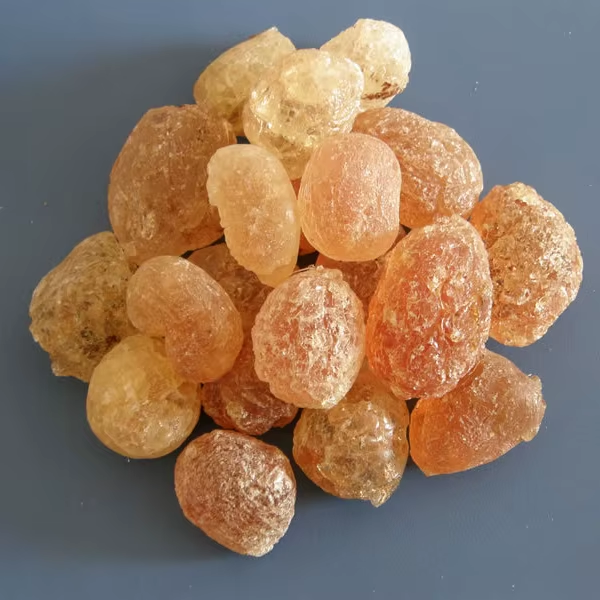
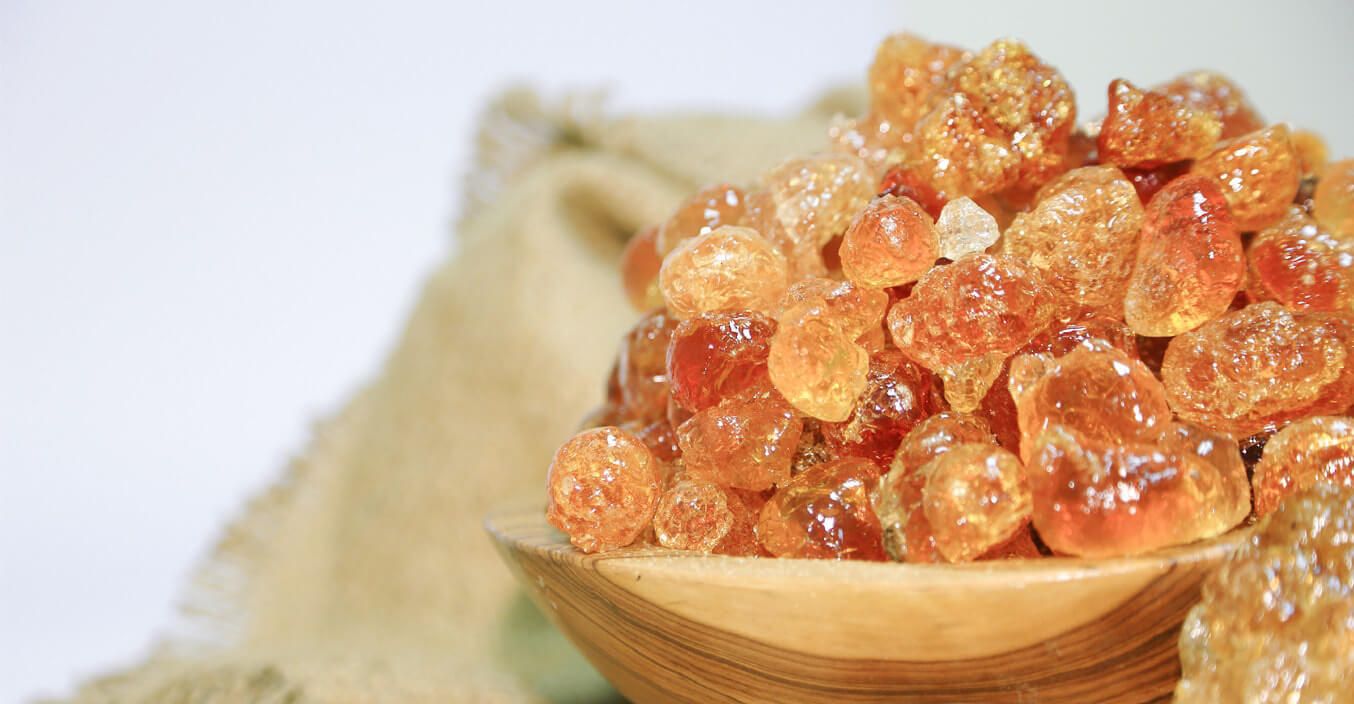
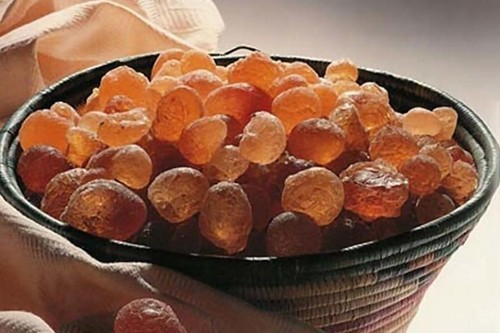
Gum Arabic (E414) is a high-purity natural exudate produced from Acacia species, supplied as a water-soluble polysaccharide binder and emulsifier for industrial use. It functions as a stabilizer, encapsulant, and thickening agent across food, beverage, pharmaceutical, cosmetic, adhesive, and printing ink supply chains. The product delivers consistent rheological control, excellent film-forming and emulsification properties, and reliable lot-to-lot performance—reducing formulation variability and processing downtime. Strategically, Gum Arabic is a critical input for formulators seeking natural, regulatory-compliant functional ingredients that support clean-label positioning and scalable production.
Key Specifications & Technical Characteristics
-
Chemical composition: Complex mixture of arabinogalactan-polysaccharides (predominantly arabinose and galactose), soluble fractions of proteinaceous material; no added carriers or adulterants.
-
E number / designation: E414 (food-grade where specified).
-
Purity/grade: Industrial/food-grade available; typical soluble solids ≥ 90% (specify grade on inquiry).
-
Moisture content: Typical 8–12% (batch certificate provided).
-
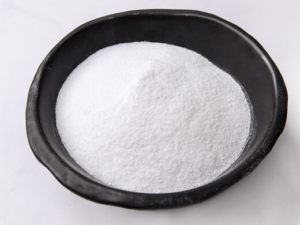
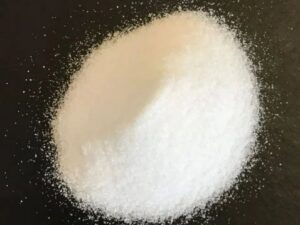
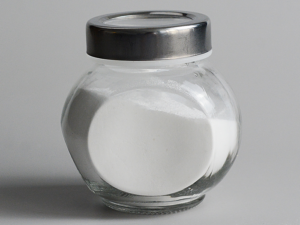
Physical form: Free-flowing granules or powder; also available as bead or flake on request.
-
Color: Off-white to pale yellow, consistent with natural material.
-
Apparent density: ~0.4–0.6 g/cm³ (bulk density varies with form and grind).
-
Particle size: Typical distribution optimized for dissolution and handling; average particle size 50–300 µm (custom milling available).
-
Solubility: Readily soluble in water, forming clear to slightly opalescent solutions depending on concentration.
-
Viscosity profile: Predictable shear-thinning behavior; stable at typical processing shear rates.
-
pH (aqueous 1% solution): Typically 4.5–6.5.
-
Ash content and insolubles: Controlled to tight spec; certificate of analysis (CoA) supplied per lot.
-
Heavy metals & contaminants: Conforms to relevant international limits (CoA and third-party testing available).
-
Microbiological: Meets industrial/food-grade microbiological specifications with pasteurization options.
-
Packaging options: 25 kg multi-wall paper sacks with inner polyethylene lining; 500–1,000 kg FIBCs (food-grade liners available); bulk pneumatic tanker or ISO tank loading for liquid dispersions.
-
Shelf life: 24 months under recommended storage (cool, dry, sealed containers); CoA includes manufacture and expiry dates.
-
Storage conditions: Store in a dry, ventilated warehouse at ambient temperature, protected from contamination and direct sunlight.
Core Industrial Applications
-
Food & Beverage: Emulsification and stabilization in soft drinks (gum arabic prevents flavor oil separation), confectionery glazing, encapsulation of flavors and essential oils, and low-calorie formulation thickening. Delivers clean-label advantage over synthetic hydrocolloids.
-
Pharmaceuticals & Nutraceuticals: Binder and coating agent for tablets, suspending agent in syrups, and microencapsulation for controlled release—chosen for biocompatibility and regulatory acceptability.
-
Cosmetics & Personal Care: Film-former and stabilizer in lotions, creams, and makeup formulations; enhances texture and sensory profile while enabling natural claims.
-
Adhesives, Coatings & Printing Inks: Improves tack, film formation, and pigment dispersion in water-based adhesives and inks; reduces viscosity variability, improving print consistency and coating uniformity.
-
Textile & Ceramics: Sizing and thickening agent for reactive and pigment printing pastes; improves substrate adhesion and wash-off characteristics.
-
Agrochemical Formulations: Carrier and dispersant for sprayable formulations and controlled-release granules.
Why it outperforms alternatives -
Superior natural emulsification and film-forming compared with many synthetic gums at equivalent dosages.
-
Lower formulation variability due to controlled solubility and predictable viscosity profile.
-
Easier regulatory acceptance and marketing advantage for clean-label or natural-product positioning.
-
Cost-effective at scale because of high functionality per unit mass and compatibility with existing processing lines.
Competitive Advantages
-
Quality consistency: Batch-by-batch CoA, traceability to origin, and standardized processing ensure minimal variation in functional performance.
-
Supply reliability: Established sourcing channels and committed production volumes mitigate seasonal supply risk; options for forward contracts and scheduled shipments.
-
Logistics capability: Available in palletized sacks, FIBCs, bulk pneumatic, and ISO container loading; expertise in export documentation and phytosanitary requirements for global shipping.
-
Price competitiveness: Scalable bulk pricing for large-volume buyers with negotiated long-term agreements; transparent pricing tiers for grades and packaging.
-
Sustainability: Responsibly sourced from regulated harvesting practices; supplier transparency on origin and social compliance available upon request.
-
Technical support & documentation: Full technical datasheets, CoAs, SDS, GMP/food-safety documentation, and application development support from formulation specialists.
Commercial & Supply Information
-
Minimum order quantity (MOQ): BULK 20 MT.
-
Loading capacity (MT per container):
-
20-foot container (palletized 25 kg sacks): ~18–20 MT depending on pallet configuration.
-
40-foot HC container (palletized): ~22–25 MT.
-
FIBC/loose-bulk via 20′ or 40′ container and bulk tanker options available; loading dependent on packing method—confirm at inquiry.
-

Reviews
There are no reviews yet.