
Description
-
Product Overview
Citric Acid (E330) is a high-purity organic acid produced for industrial applications across food processing, pharmaceuticals, detergents, water treatment, and specialty chemicals. It functions primarily as an acidulant, chelating agent, buffering agent, and pH regulator, delivering consistent chemical performance in formulation and process control. The product’s key value proposition is predictable, scalable quality with supply-chain ready packaging and logistics — enabling manufacturers to reduce batch variability, simplify formulation, and manage cost of goods. Strategically, Citric Acid (E330) is a foundational commodity chemical that supports product stability, regulatory compliance, and process efficiency across multiple high-volume industries. -
Key Specifications & Technical Characteristics
-
Chemical name: Citric Acid (Tricarboxylic acid), E330
-
Chemical formula: C6H8O7
-
Purity/grade: Industrial/food-grade available; typical assay ≥ 99.5% for food/USP-grade and ≥ 99.0% for technical grade (specify at order)
-
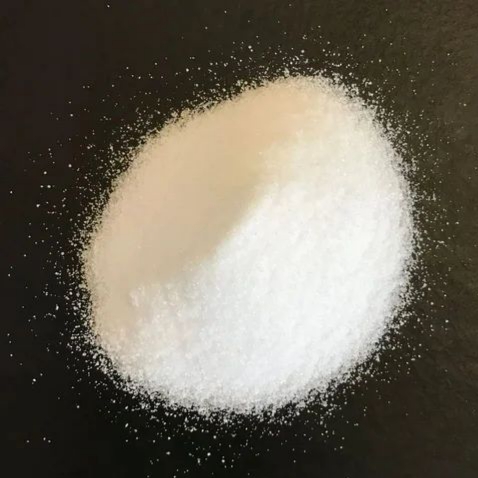
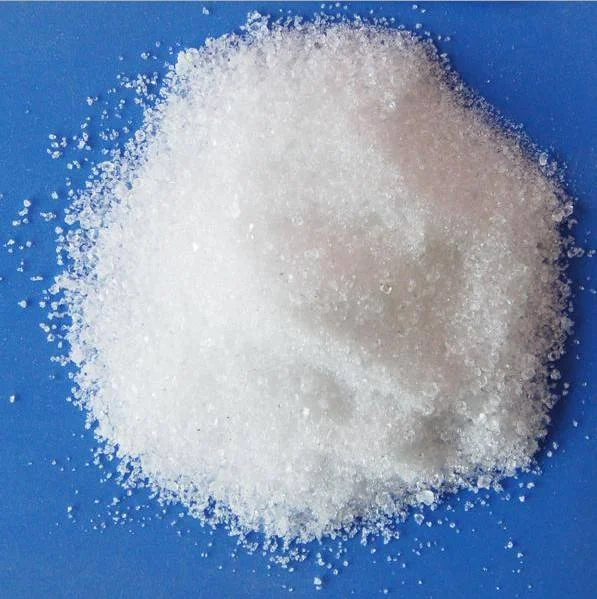
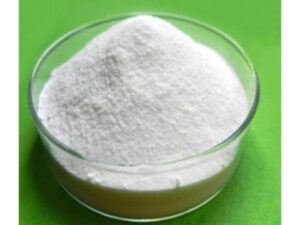
Physical form: White crystalline powder or granules
-
Moisture content: ≤ 0.5% (typical; batch certificate provided)
-
pH (1% aqueous solution): ~2.2–2.4
-
Particle size: Standard 98% through 200 mesh; customizable milling available on request
-
Bulk density: ~600–700 kg/m3 (packed density depends on packaging)
-
Solubility: Highly soluble in water; low solubility in organic solvents
-
Residual solvents/impurities: Compliant with specified limits in certificate of analysis
-
Packaging options: 25 kg kraft paper bags with PE liner, 500 kg / 1,000 kg bulk bags (FIBC), and ISO tank / bulk truck for slurry solutions; palletized and shrink-wrapped for export
-
Shelf life: 24 months when stored in dry, cool conditions in original sealed packaging
-
Documentation: Certificate of Analysis (CoA), Safety Data Sheet (SDS), Declaration of Conformity for food-grade on request, and traceability batch records
-
Core Industrial Applications
-
Food & Beverage: Acidulant, flavor enhancer, preservative and pH control in beverages, confectionery, dairy, and canned goods. Delivers clean sour profile with consistent titratable acidity for repeatable product quality.
-
Pharmaceuticals & Nutraceuticals: pH adjustment, buffering agent, excipient for effervescent tablets and syrups. High-purity grades meet compendial requirements for consistent API processing.
-
Detergents & Cleaners: Chelating agent that improves surfactant performance, reduces scale, and enhances cleaning efficiency in household and industrial formulations, lowering required active concentrations.
-
Water Treatment & Descaling: pH correction, scale removal and chelation of metal ions in industrial boilers, cooling towers, and reverse-osmosis pretreatment; more environmentally benign than strong mineral acids.
-
Chemical Manufacturing & Metal Treatment: Feedstock for citrate salts, electroplating baths, and metal surface treatment where controlled acidity and metal complexation are required.
Why it outperforms alternatives: -
Superior chelation efficiency versus weaker organic acids, enabling lower dosages.
-
Stable, non-volatile crystalline form simplifies handling and dosing compared to liquid acids.
-
Proven food-grade supply chain options reduce regulatory risk for consumer-facing products.
-
Competitive Advantages
-
Quality consistency: Tight batch-to-batch assay control with full CoA and traceability reduces formulation drift.
-
Supply reliability: Commercial-scale production and diversified sourcing strategy ensure continuity for high-volume buyers.
-
Logistics capability: Export-ready packaging, FIBC and ISO tank options, and coordinated export documentation for fast cross-border shipment.
-
Price competitiveness: Economies of scale and optimized logistics provide competitive CIF/FOB pricing tiers for contract buyers.
-
Sustainability: Biodegradable, non-toxic organic acid with lower corrosivity and safer handling profile versus strong mineral acids; supplier can provide statements on manufacturing carbon and waste metrics upon request.
-
Technical support: Application notes, dosing guidance, regulatory compliance assistance, and lab sample evaluation available to qualifying enterprise customers.
-
Commercial & Supply Information
-
Minimum order quantity (MOQ): BULK 20 MT
-
Loading capacity (MT per container):
-
20-foot dry container: up to 20 MT (bagged) depending on palletization and packaging
-
40-foot high cube: up to 24–25 MT (bagged) depending on palletization and packaging
-
FIBC / bulk: variable; typical load 20–22 MT per 20-foot container when using lined FIBCs
-
-
Lead times: Subject to confirmation at order; standard lead for bulk contracts 4–8 weeks depending on grade and destination
-
Incoterms and payment: Available on FOB, CIF, or DAP terms; payment and contract terms negotiable for enterprise agreements

Reviews
There are no reviews yet.