
Description
Product Overview
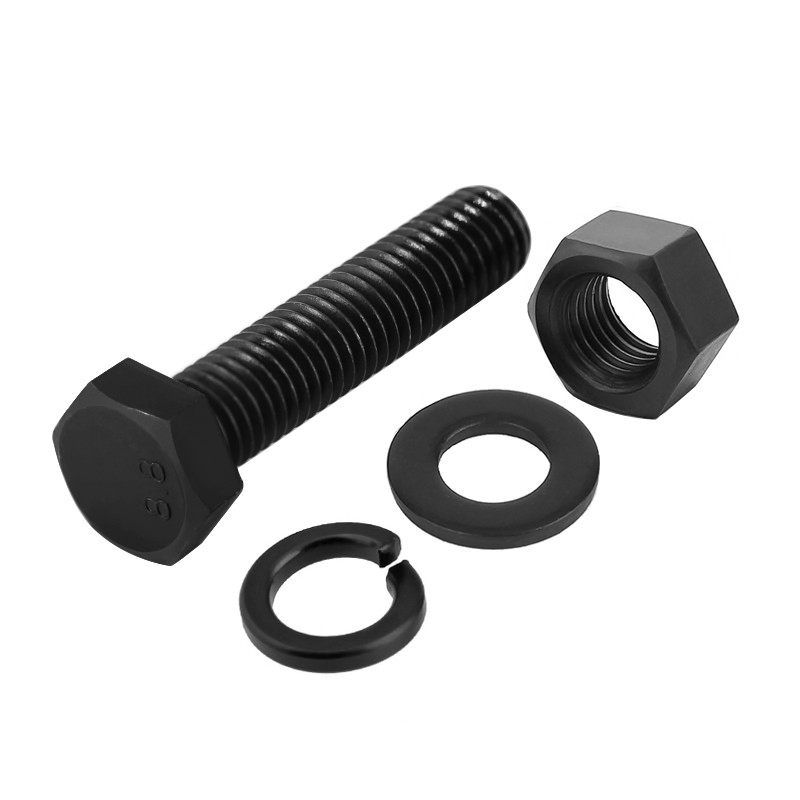
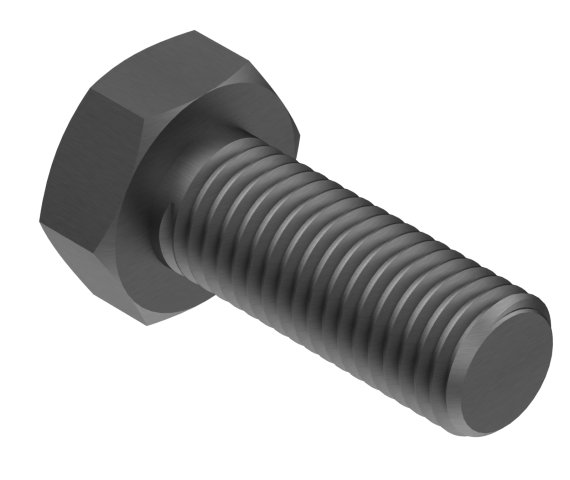
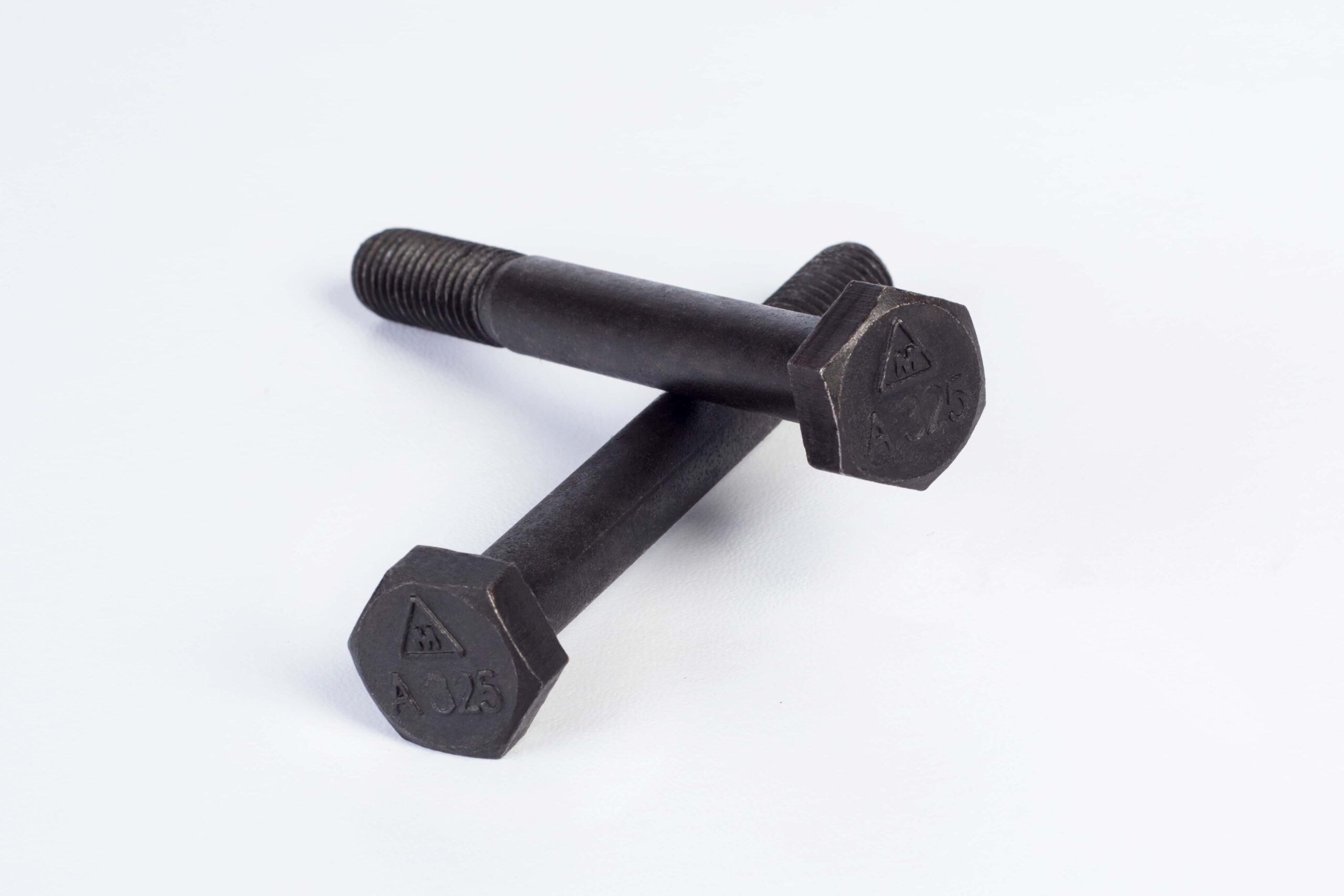
ASTM A325 Structural Bolts (specified under ASTM F3125 A325) are high-strength, carbon-steel structural fasteners engineered for critical structural connections in heavy construction and industrial fabrication. They are primarily used to create friction or bearing-type structural joints in bridges, buildings, steel frames, towers, and heavy machinery where reliable load transfer and long-term joint integrity are essential. The key value proposition is predictable, certified mechanical performance—tensile strength, controlled hardness, and consistent thread geometry—that reduces installation risk and lifecycle maintenance. Strategically, these bolts are foundational components in infrastructure projects and industrial capital expenditures, where material certification, traceability, and on-time supply are essential to project schedules and regulatory compliance.
Key Specifications & Technical Characteristics
-
Standard designation: ASTM F3125 Grade A325 (covering former ASTM A325 requirements).
-
Material: Medium-carbon steel, quenched and tempered to specification.
-
Mechanical properties: Minimum tensile strength typically 120 ksi (check certificate for exact lot values); yield and hardness controlled per standard.
-
Thread type: Unified national coarse (UNC) or rolled threads per ASME/ASTM; thread length and class per purchaser specification.
-
Diameter range: Common diameters 1/2″ to 1-1/2″ (or metric equivalents when specified); lengths per project requirements.
-
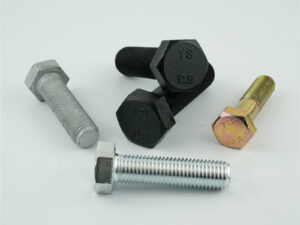
Coating/finish options: Hot-dip galvanized to ASTM A153, plain (uncoated), mechanical galvanize, or other specified corrosion-resistant finishes.
-
Dimensional tolerances: Manufactured to ASTM/ASME dimensional tolerances for shank, head geometry, and thread runout.
-
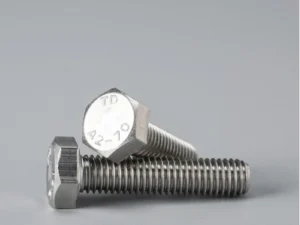
Form & appearance: Hex-head structural bolt; finished surfaces free of machining defects; color/finish depends on coating selected.
-
Packaging: Bulk wooden crates, steel-bound pallets, or export-grade corrugated boxes; bolts banded and protected with desiccant/film as required.
-
Traceability & documentation: Mill test certificate (MTC), heat number traceability, mechanical test reports, and coating inspection reports available.
-
Shelf life: Indefinite when stored dry and protected from corrosive environments; recommended indoor storage to preserve coatings.
Core Industrial Applications
-
Construction & Civil Infrastructure: Primary fastener for structural steel connections in bridges, high-rise buildings, stadiums, and parking structures; used in shear and tension-critical joints.
-
Industrial Plants & Heavy Fabrication: Connects primary members in petrochemical plants, power plants, and heavy-equipment frames where secure bolted joints are required.
-
Transmission & Telecom Towers: Secures sections and cross-members in high-load, dynamic environments.
-
Offshore and Marine Structures (with appropriate corrosion finishes): Used where high-strength bolting with certified coatings is required for long service life.
Why it outperforms alternatives: -
Predictable mechanical properties reduce design margins and rework risk compared with unspecified fasteners.
-
Standardized manufacture and certification allow rapid approval by engineers and inspectors, lowering procurement friction.
-
Available corrosion-resistant finishes and strict traceability make these bolts suitable for regulated and warranty-backed projects, improving lifecycle cost vs. lower-grade fasteners.
Competitive Advantages
-
Quality consistency: Produced to strict ASTM/F3125 tolerances with mill test certificates and batch traceability for every shipment.
-
Supply reliability: Regular production schedules, buffer inventory for project phase deliveries, and capacity to support large-volume contracts.
-
Logistics capability: Export-ready packaging, container-loading optimization, and experience handling project-timed deliveries to global ports.
-
Price competitiveness: Bulk pricing for 20 MT+ orders with tiered discounts for repeat or long-term contracts; competitive landed cost through optimized shipping and local partner networks.
-
Sustainability: Option for environmentally preferred packaging and reduced-waste palletization; sourcing controls to minimize scrap and rework.
-
Technical support: Engineering datasheets, compliance documentation, pre-shipment inspection reports, and responsiveness to specification queries and bespoke finishing requests.
Commercial & Supply Information
-
Minimum order quantity (MOQ): BULK 20 MT.
-
Loading capacity (MT per container): Typical 20’ GP container up to ~20–22 MT, typical 40’ GP container up to ~24–26 MT (final loading depends on packaging configuration and port/container regulations).
Reviews
There are no reviews yet.