
Description
-
Product Overview
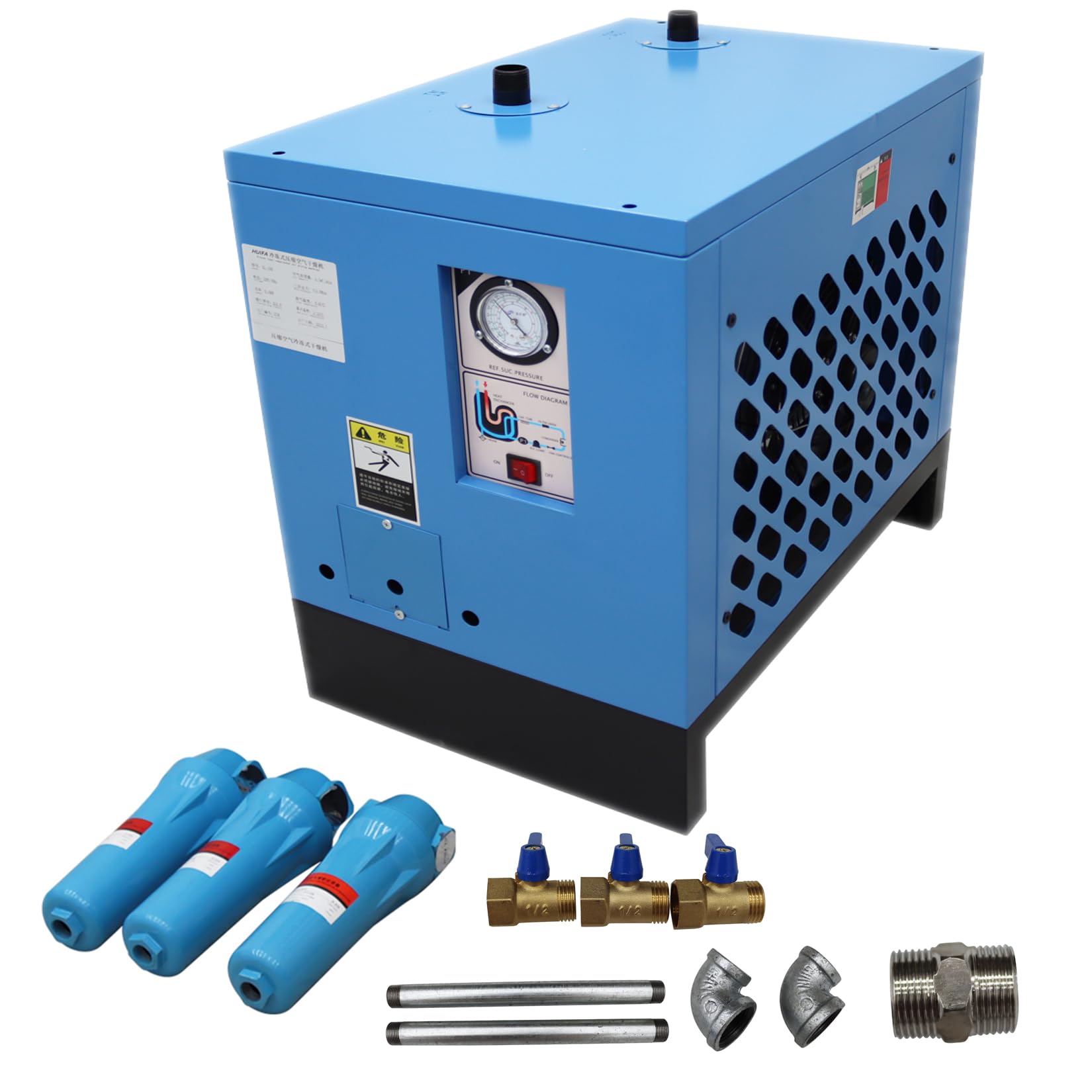
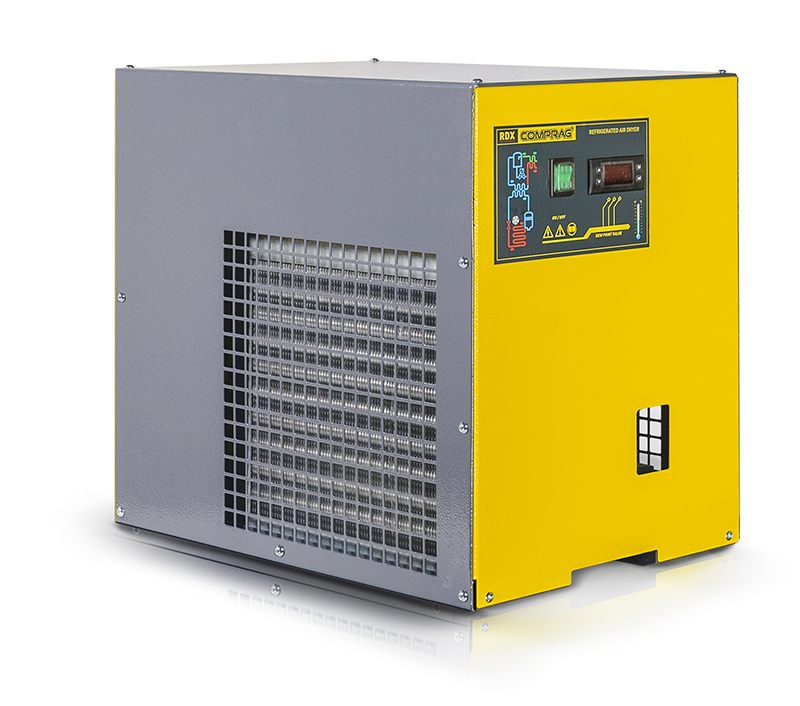
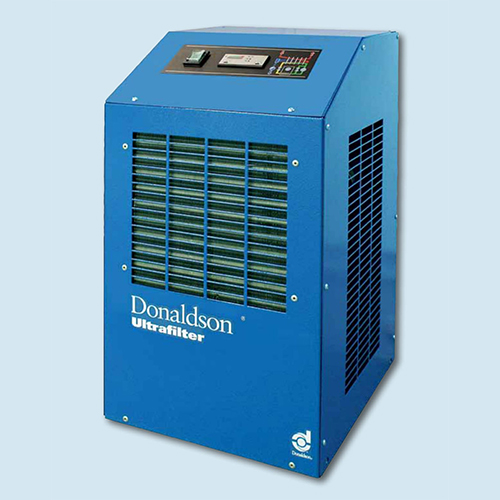
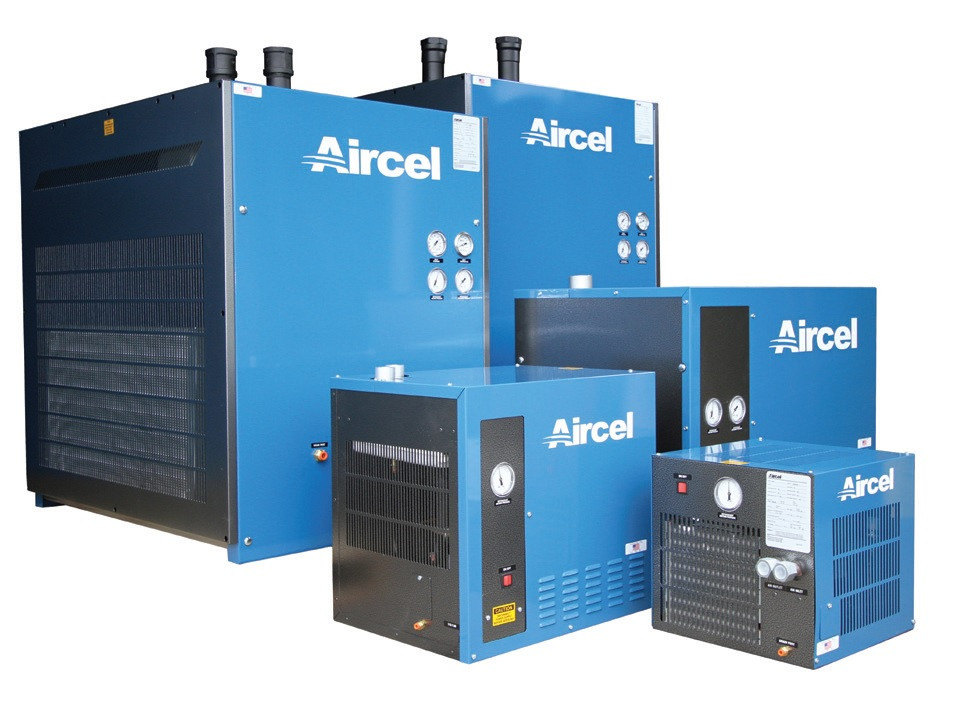
Refrigerated Compressed Air Dryer is an industrial-grade desiccant system that removes moisture from compressed air by cooling the air stream to condense and separate water vapor. It is primarily used in manufacturing, petrochemical, food & beverage, pharmaceutical, and instrument air systems to protect downstream equipment, prevent corrosion, and ensure process integrity. The key value proposition is reliable dew-point control and high throughput with low energy consumption, delivering consistent dry air that reduces maintenance costs, product contamination risk, and process downtime. Strategically, refrigerated dryers are essential in modern compressed-air networks as a cost-effective baseline solution for bulk moisture removal, enabling higher productivity and longer equipment life across large-scale industrial operations.
-
Key Specifications & Technical Characteristics
-
Technology: Refrigeration-based air drying via finned-tube heat exchanger and thermostatic expansion, with integrated moisture separator and automatic condensate drain.
-
Operating principle: Cooling compressed air to condense water vapor to liquid, followed by separation and drainage.
-
Rated operating pressure: typically 7–16 bar(g) (configure per model).
-
Nominal flow capacity: model-dependent; standard industrial range 0.5–120 m3/min (consult model sheet for exact selection).
-
Pressure dew point (PDP): +3°C to -20°C achievable depending on model and purge options; standard commercial units deliver +3°C PDP.
-
Materials of construction: carbon steel or stainless steel pressure vessels, copper/aluminum refrigerant circuit, brass or stainless internal fittings; epoxy powder coat external finish.
-
Refrigerant: R134a, R513A, or alternative low-GWP refrigerants available on request.
-
Power supply: 220–480 V, 50/60 Hz, three-phase options.
-
Filtration: integrated mechanical separator (0.01–5 µm options available per model).
-
Noise level: typically 55–75 dB(A) depending on capacity and enclosure.
-
Controls: digital controller with pressure, temperature, and fault indicators; optional PLC integration and remote monitoring.
-
Installation: floor-mounted skid or vertical tower options; indoor or weather-protected outdoor enclosures.
-
Physical characteristics: compact skid footprint relative to throughput; modular stackable configurations for capacity scaling.
-
Packaging options: skid-mounted units for immediate integration, crate-packed components for OEM integration, bulk containerized solutions for large projects.
-
Service life: designed for 10+ years with routine maintenance (compressor dew point, refrigerant circuit checks, separator servicing).
-
Warranty & support: standard 12–24 month warranty depending on contract; extended service agreements available.
-
Spare parts availability: common wear parts (seals, thermostats, condensate drains, refrigerant components) stocked regionally.
-
Certifications: CE, ISO 9001 manufacturing traceability; PED/ASME on request for pressure vessels.
-
Core Industrial Applications
-
Manufacturing & Metalworking: Protects pneumatic tools, paint booths, and CNC controls by preventing moisture-related failures and rust; reduces scrap and rework in finishing processes.
-
Petrochemical & Refining: Ensures instrument air quality for control valves and safety systems, preventing false trips and corrosion in control lines.
-
Food & Beverage: Provides hygienic, dry air for packaging, bottling, and pneumatic conveyance where condensate would compromise product safety and shelf life.
-
Pharmaceuticals & Cleanrooms: Maintains controlled environments and sterile production lines by eliminating moisture that can promote microbial growth or interfere with sensitive processes.
-
Electronics & Semiconductor: Delivers ultra-clean, dry air for assembly, testing, and drying steps to reduce defects from moisture and particulates.
-
General Utilities & HVAC: Protects air compressors, chillers, and chilled-water systems by reducing condensate carryover and enabling reliable operation.
Why it performs better: Refrigerated dryers offer a low-cost, energy-efficient solution for broad industrial applications where moderate dew point control (+3°C to -20°C) is sufficient. Compared with desiccant systems they have lower operating cost and simpler maintenance; compared with coalescing filters alone they provide continuous dew-point control and higher throughput with lower pressure drop. Modular designs allow staged capacity growth and redundancy, improving uptime and lifecycle economics.
-
Competitive Advantages
-
Quality consistency: Factory-calibrated heat exchangers and controls with documented performance curves ensure repeatable dew-point and flow delivery.
-
Supply reliability: Production capacity aligned for industrial reorder cycles, with regional stocking and rapid dispatch for spare components and replacement units.
-
Logistics capability: Skid and containerized packaging options support global shipment; local partners provide on-site installation and commissioning.
-
Price competitiveness: Optimized refrigerant circuits and efficient compressors lower lifecycle energy cost, offering lower Total Cost of Ownership (TCO) than overspecified alternatives.
-
Sustainability: Available low-GWP refrigerant options and high-efficiency compressors reduce greenhouse gas impact and energy consumption; recyclable materials and serviceable components extend usable life.
-
Technical support: Detailed datasheets, performance selection tools, P&ID integration documentation, and on-site commissioning by certified technicians; training and extended maintenance contracts available.
-
Compliance & safety: Built to international standards with pressure-relief, safety interlocks, and documented validation for regulated industries.
-
Commercial & Supply Information
-
Minimum order quantity (MOQ): BULK 20MT
-
Typical loading capacity: Loading capacity per 20-ft container varies by model and unit dimensions; approximate metric load estimates:
-
Small skid units: up to 3–6 MT per 20-ft container
-
Medium industrial units: 6–12 MT per 20-ft container
-
Large containerized units: 12–20 MT per 40-ft HC container (use 40-ft for maximum efficiency)
-
-
Lead time: subject to order size and customization; standard models: 6–10 weeks; bulk and custom configurations: 12–20 weeks (confirm at order).
-
Incoterms & shipping: FOB, CIF, EXW options; export documentation and customs support available.
-
After-sales: spare parts kits, preventive maintenance packages, and field service contracts available; recommended first-service at 6 months.
Reviews
There are no reviews yet.