
Description
-
Product Overview
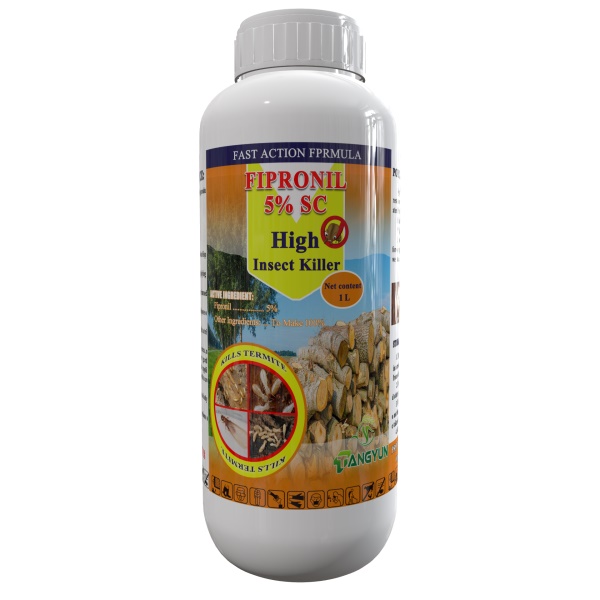
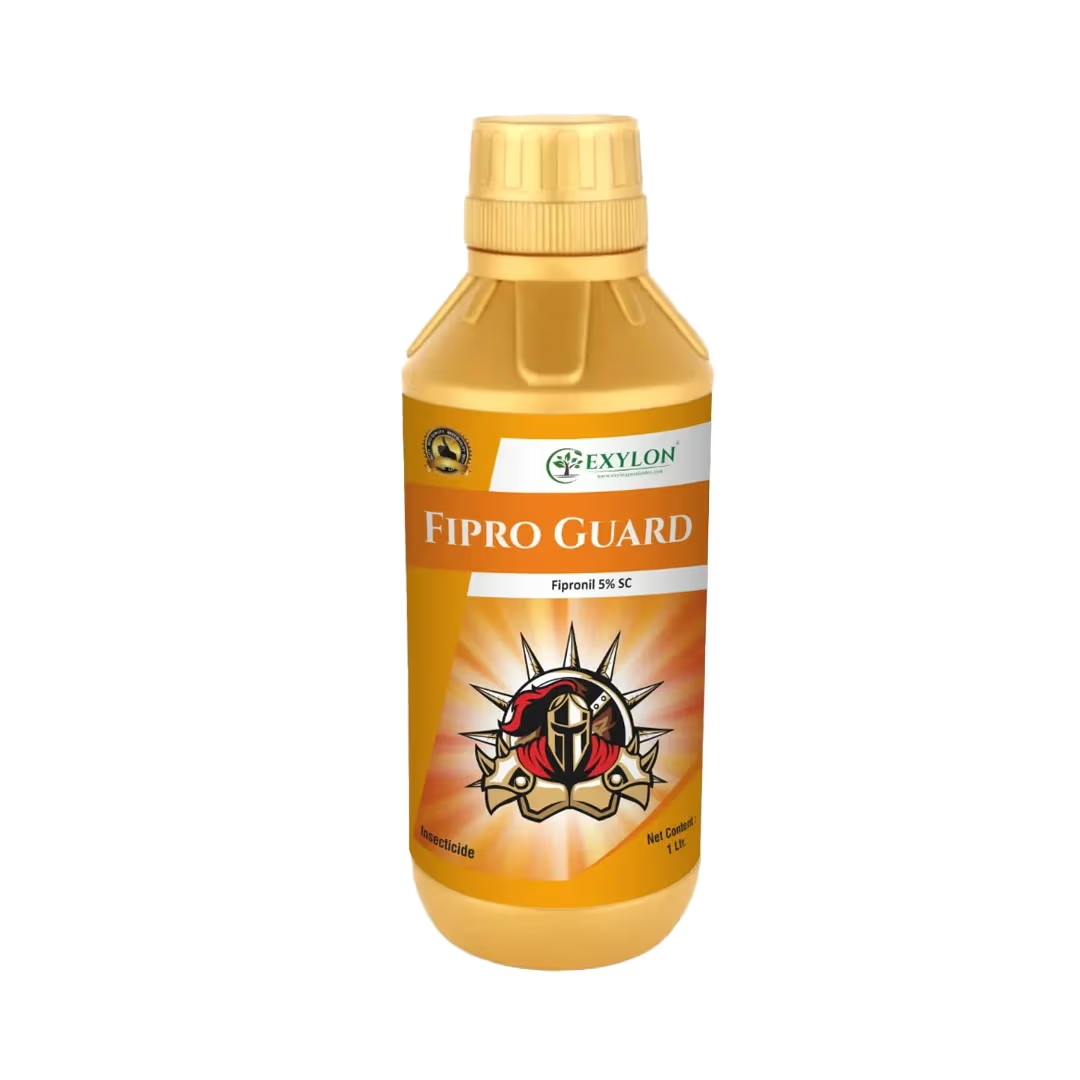
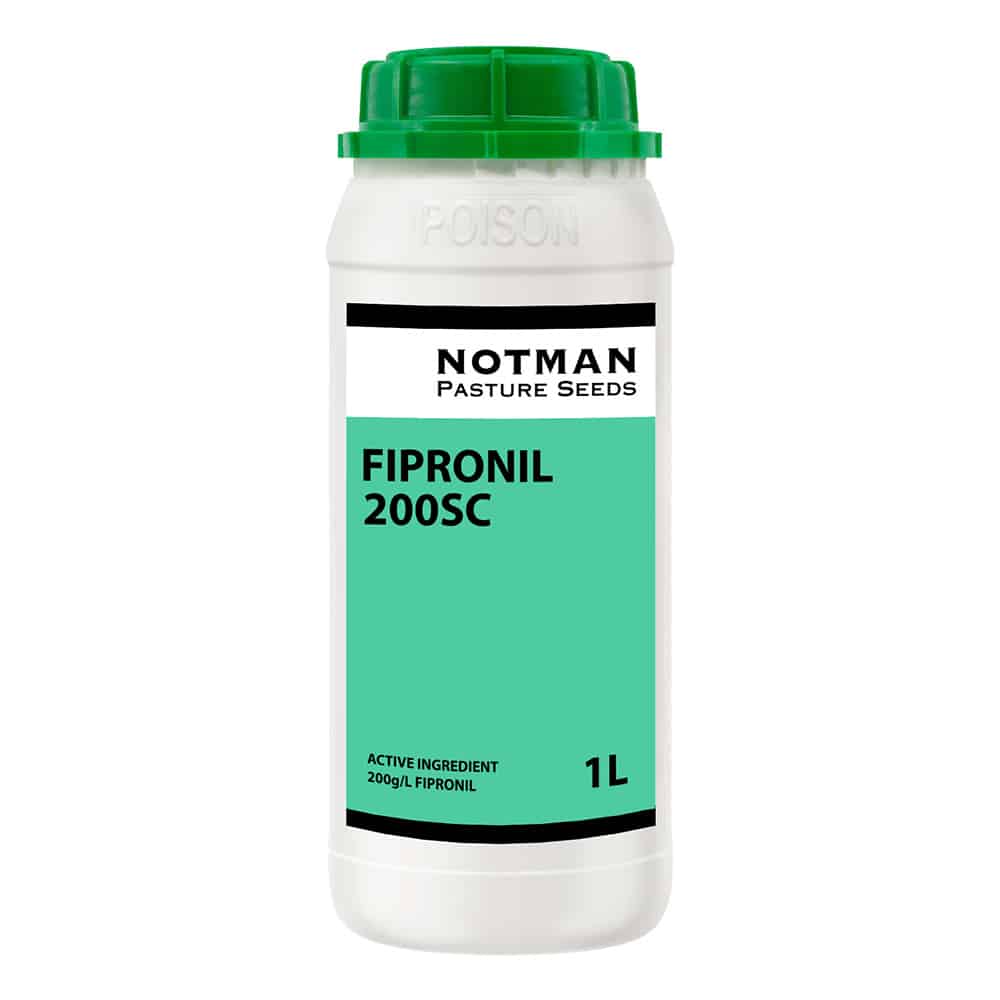
Fipronil is a broad‑spectrum phenylpyrazole insecticide formulated for industrial-scale pest management. It selectively disrupts insect GABA-gated chloride channels, delivering rapid knockdown and residual control against a wide range of insect pests in agricultural, structural, and vector-control settings. The product’s primary value proposition is high efficacy at low application rates, enabling lower active‑ingredient usage per hectare and extended residual protection that reduces re-application frequency. Strategically, Fipronil is important to commercial growers, public-health contractors, and pest-management procurement teams because it increases operational predictability, lowers recurring treatment costs, and supports integrated pest-management (IPM) programs when deployed as part of rotation strategies. -
Key Specifications & Technical Characteristics
-
Chemical name: Fipronil (5-amino-1-[2,6-dichloro-4-(trifluoromethyl)phenyl]-4-(trifluoromethylsulfinyl)-1H-pyrazole-3-carbonitrile).
-
Chemical composition: Technical-grade active ingredient; typical impurities limited to specified process residuals.
-
Purity/grade: Technical-grade, nominal > 95% a.i. (specification range configurable to buyer requirements and regulatory limits).
-
Physical form: Off-white to pale yellow crystalline powder or granules (depending on formulation).
-
Density: Typical bulk density for technical powder ~0.45–0.70 g/cm³ (batch-specific certificate of analysis provided).
-
Melting point: Approximately 198–199°C (informational).
-
Solubility: Low water solubility, high lipophilicity (log P typically >3.5) — relevant for formulation and environmental behavior.
-
Particle size: Supplied as technical powder with d50 controlled per customer specification; micronized options available for specialized formulations.
-
Packaging options: 25 kg fiber drums with inner PE liner, 50 kg HDPE drums, or bulk IBC/ISO-tank for liquids and suspensions; custom packaging available for contract manufacturing orders.
-
Shelf life: 24 months when stored in original sealed packaging, in a cool, dry, well-ventilated location away from direct sunlight and incompatible substances; batch-specific stability data available on request.
-
Documentation: Full Certificate of Analysis (CoA), Safety Data Sheet (SDS), and compliance documentation (RoHS/REACH/region-specific) provided with shipment.
-
Core Industrial Applications
-
Agriculture (row crops, orchards, seed treatments): Used for soil treatments, seed-coating, and foliar pest control against coleopteran and lepidopteran species. Delivers prolonged residual activity that reduces reapplication frequency and crop protection costs.
-
Structural pest management (professional pest-control operators): Effective for termite control, ant, cockroach, and other structural pests; provides persistent barrier protection in baiting and localized treatments.
-
Vector control and public-health contracting (where permitted): Employed in targeted programs for controlling disease-vectoring insects, integrated into rotational programs to mitigate resistance.
-
Commercial formulation manufacturing: Raw technical Fipronil is an input for formulation of emulsifiable concentrates (EC), granules, wettable powders (WP), suspension concentrates (SC), and controlled-release products.
Why it outperforms alternatives: -
High target specificity and potent activity at low doses reduce material and application costs versus many older chemistries.
-
Lipophilic properties provide strong residual activity on treated surfaces and in soil, increasing effective control windows.
-
Flexible formulation compatibility supports custom solutions (seed treatment, granules, SC), enabling suppliers to optimize delivery for each operational use case.
-
Competitive Advantages
-
Quality consistency: Manufactured under certified quality systems with batch CoA and traceable raw-material sourcing to ensure specification compliance for critical industrial applications.
-
Supply reliability: Production and inventory planning designed for sustained, contractual supply to large-scale buyers; options for contract manufacturing and dedicated allocation for long‑term agreements.
-
Logistics capability: Export-ready packaging, bulk handling experience, and freight coordination for sea/rail/road shipments; container loading plans and HS-code assistance provided to streamline cross-border procurement.
-
Price competitiveness: Economies of scale for bulk orders (MOQ 20 MT) and flexible commercial terms for multi-year supply contracts reduce landed cost per kg versus spot purchases.
-
Sustainability & environmental management: Process optimizations to reduce waste and emissions; lifecycle and usage guidance to support responsible application and regulatory compliance.
-
Technical support: Product technical dossier, formulation guides, residue and stability data, and application best-practices available; dedicated technical account support for integration into OEM formulations and IPM programs.
-
Commercial & Supply Information
-
Minimum order quantity (MOQ): BULK 20 MT.
-
Typical loading capacity (per standard container):
-
20 ft container: up to ~18–20 MT (packaged drums/palletized, subject to packing configuration and local regulations).
-
40 ft container: up to ~24–26 MT (packaged drums/palletized).
-
-
Bulk options: ISO-tank or truckload deliveries available for orders above 20 MT; packaging and loading plans tailored to buyer logistics and regulatory requirements.
-
Lead times: Standard lead time 4–8 weeks depending on order size, formulation, and destination; expedited allocation may be available for contractual customers.
-
Regulatory note: Product supply subject to buyer’s compliance with local pesticide regulations and registration requirements; supplier provides regulatory dossiers and support documentation to assist registration where applicable.
Reviews
There are no reviews yet.