
Description
-
Product Overview
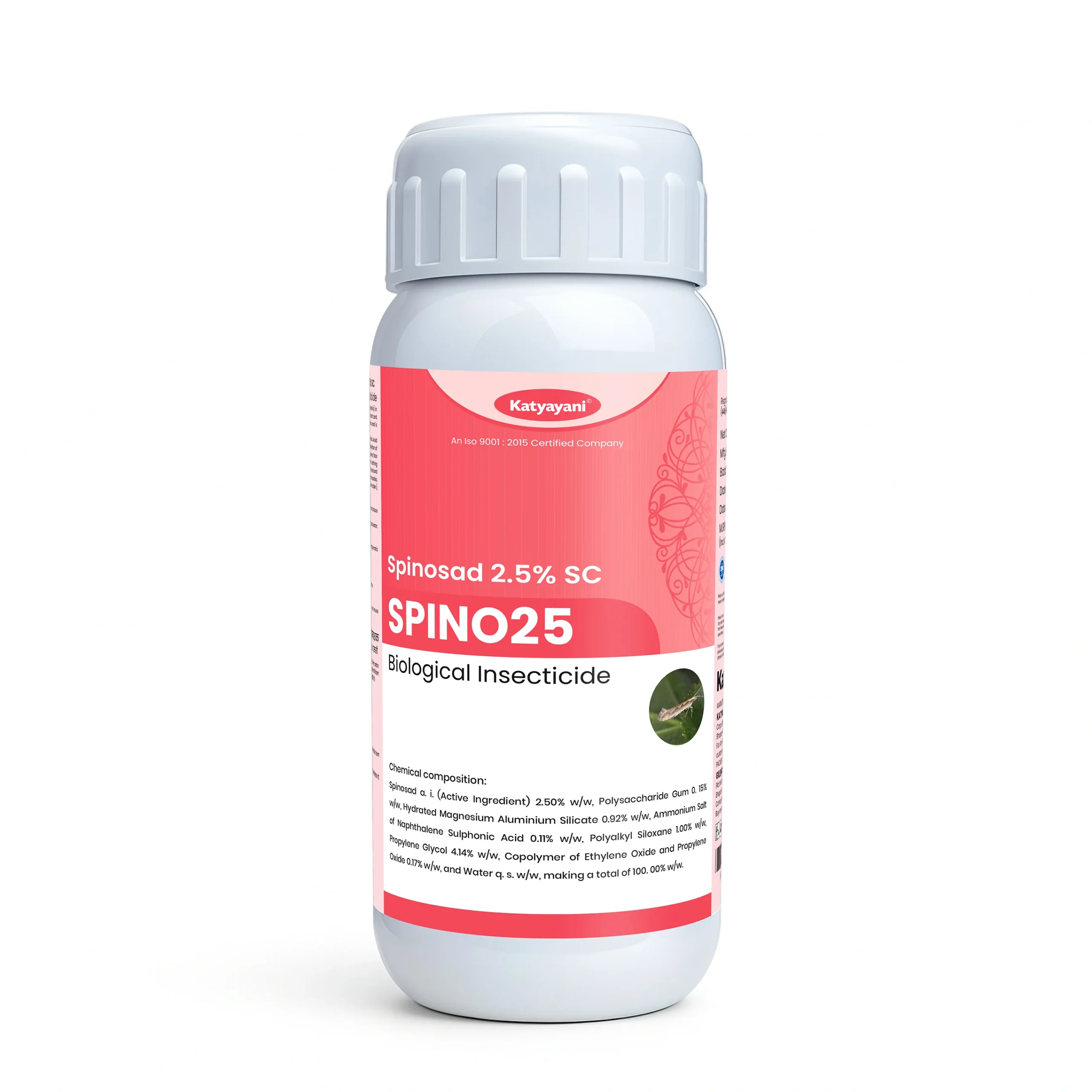
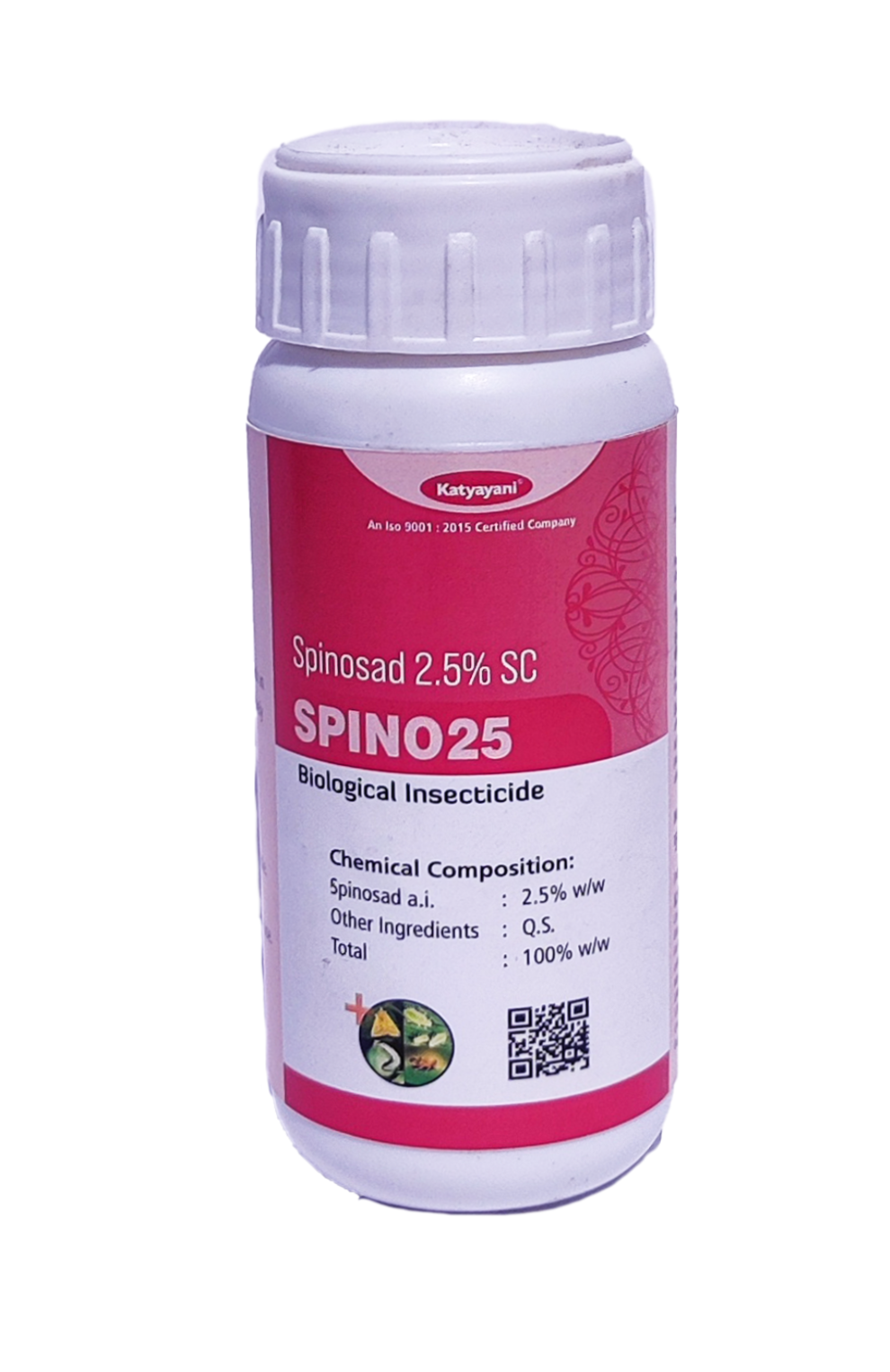
Spinosad is a naturally derived insecticide composed of spinosyn A and spinosyn D produced by fermentation of Saccharopolyspora spinosa. Its primary industrial use is broad-spectrum pest control across agricultural and post-harvest systems, integrated pest management (IPM), and specialty crop protection. Spinosad delivers high efficacy against chewing insects and certain lepidopteran and dipteran pests while maintaining a favorable mammalian and beneficial-insect safety profile, making it strategically important where residue limits, pollinator protection, and resistance-management are priorities. Beta-glucosidase -
Key Specifications & Technical Characteristics
-
Chemical identity: Spinosyns mixture (Spinosyn A / Spinosyn D), active ingredient commonly referred to as Spinosad.
-
CAS / identifiers: (provided on request to compliant buyers).
-
Concentration / formulation basis: Technical concentrate (TC) active ingredient content typically expressed as % w/w (specifiable per batch).
-
Purity / grade: Industrial technical grade suitable for formulation into EC, SC, WP, granules; typical technical purity range 90–98% depending on specification.
-
Physical form: Off-white to pale tan solid/crystalline powder or semi-crystalline concentrate depending on processing.
-
Particle size: Tailorable milling to meet formulation requirements (typical D50 range 10–100 µm; micronization available).
-
Bulk density: Dependent on processing; provided in certificate of analysis (COA) per lot.
-
Solubility: Low water solubility; soluble in common organic solvents used in agrochemical formulations.
-
Stability & shelf life: Stable when stored dry, protected from heat and direct sunlight; typical shelf life 24 months under recommended storage (cool, dry conditions); extended-life packing options available.
-
Impurities & residual solvents: Controlled to meet industrial regulatory and formulation tolerances; full impurities profile provided on request.
-
Packaging options: 25 kg fiber drums with inner liners, 50 kg HDPE drums, ISO tank or 20 MT bulk for freight; custom packaging available for formulated product.
-
Documentation: Full technical data sheet (TDS), certificate of analysis (COA), safety data sheet (SDS), and regulatory compliance dossiers available for qualified buyers.
-
Core Industrial Applications
-
Primary industries: Crop protection (row crops, fruits, vegetables), seed treatment formulators, post-harvest protection, specialty pest control manufacturers, and contract formulators.
-
Specific use cases:
-
Formulation into emulsifiable concentrates (EC), suspension concentrates (SC), wettable powders (WP), granules for targeted foliar and soil applications.
-
Integration in IPM programs for control of caterpillars, thrips, leaf miners, and certain fly larvae with reduced impact on pollinators and beneficial arthropods.
-
Post-harvest treatment to prevent infestations in stored produce and processed commodities.
-
Rotation partner in resistance management programs to delay onset of resistance against conventional neurotoxic insecticides.
-
-
Why it outperforms alternatives:
-
High oral and contact efficacy against target chewing pests at lower application rates, reducing active ingredient usage per hectare.
-
Favorable toxicological and environmental profile relative to many legacy organophosphates and pyrethroids, enabling compliance with stricter MRLs and sustainability standards.
-
Compatibility with biological control agents and many reduced-risk programs, preserving beneficial species and supporting market access for export-focused growers.
-
-
Competitive Advantages
-
Quality consistency: Manufactured under controlled fermentation and downstream purification with lot-by-lot COA, ensuring repeatable active content and impurity profiles.
-
Supply reliability: Contract manufacturing scale-up and diversified fermentation capacity to support continuous supply for B2B customers and formulation schedules.
-
Logistics capability: Multiple packaging sizes including 20 MT bulk shipments, support for containerized export, and local warehousing options in target regions to shorten lead times.
-
Price competitiveness: Economies of scale in raw-material fermentation and flexible packaging options reduce landed cost for formulators and distributors.
-
Sustainability benefits: Biologically derived active from fermentation reduces reliance on petrochemical synthetic routes; lower non-target toxicity supports integrated sustainability credentials.
-
Technical support: Dedicated technical service including formulation guidance, stability testing, regulatory dossier assistance, and field-efficacy data to accelerate product development by customers.
-
Strategic sourcing position: Low risk for disruption when contracted with multi-source manufacturing and transparent QC documentation, making Spinosad a robust choice for formulators seeking reliable, compliant actives.
-
Commercial & Supply Information
-
Minimum order quantity (MOQ): BULK 20 MT.
-
Loading capacity (MT per container): Standard 20-foot container loading up to 20 MT for bulk-packed drums; ISO tank shipping available for larger single-lot movements (specify required packaging and logistics to confirm exact capacity).
Reviews
There are no reviews yet.