
Description
Product Overview
Thiamethoxam is a systemic neonicotinoid insecticide formulated for large-scale agricultural and industrial crop protection. It controls a broad spectrum of sap-feeding and chewing insect pests by acting on insect nicotinic acetylcholine receptors, delivering fast knockdown and extended residual control. The product’s primary value proposition is reliable, high-efficacy pest suppression that improves crop yields and reduces repeat applications, translating into lower operational cost per hectare. Strategically, Thiamethoxam is a core input for commercial growers, seed-treatment formulators, and integrated pest management programs where predictable performance and supply-chain integrity are mission-critical.
Key Specifications & Technical Characteristics
-
Active ingredient: Thiamethoxam (IUPAC: 3-[(2-chloro-5-thiazolyl)methyl]tetrahydro-5-methyl-N-nitro-4H-1,3,5-oxadiazin-4-imine)
-
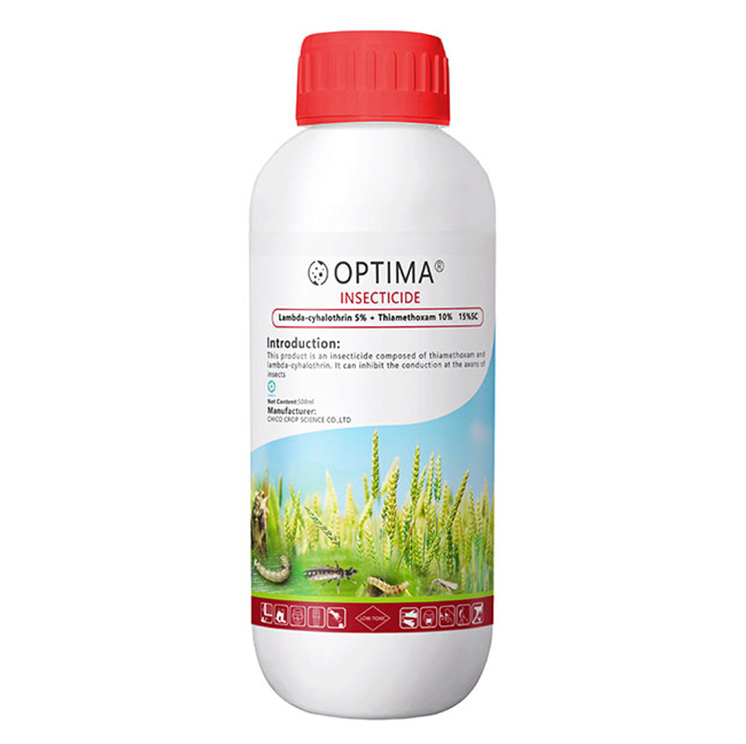
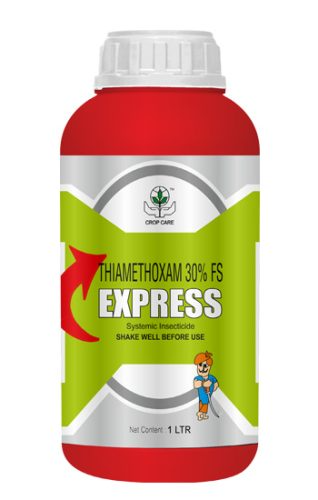
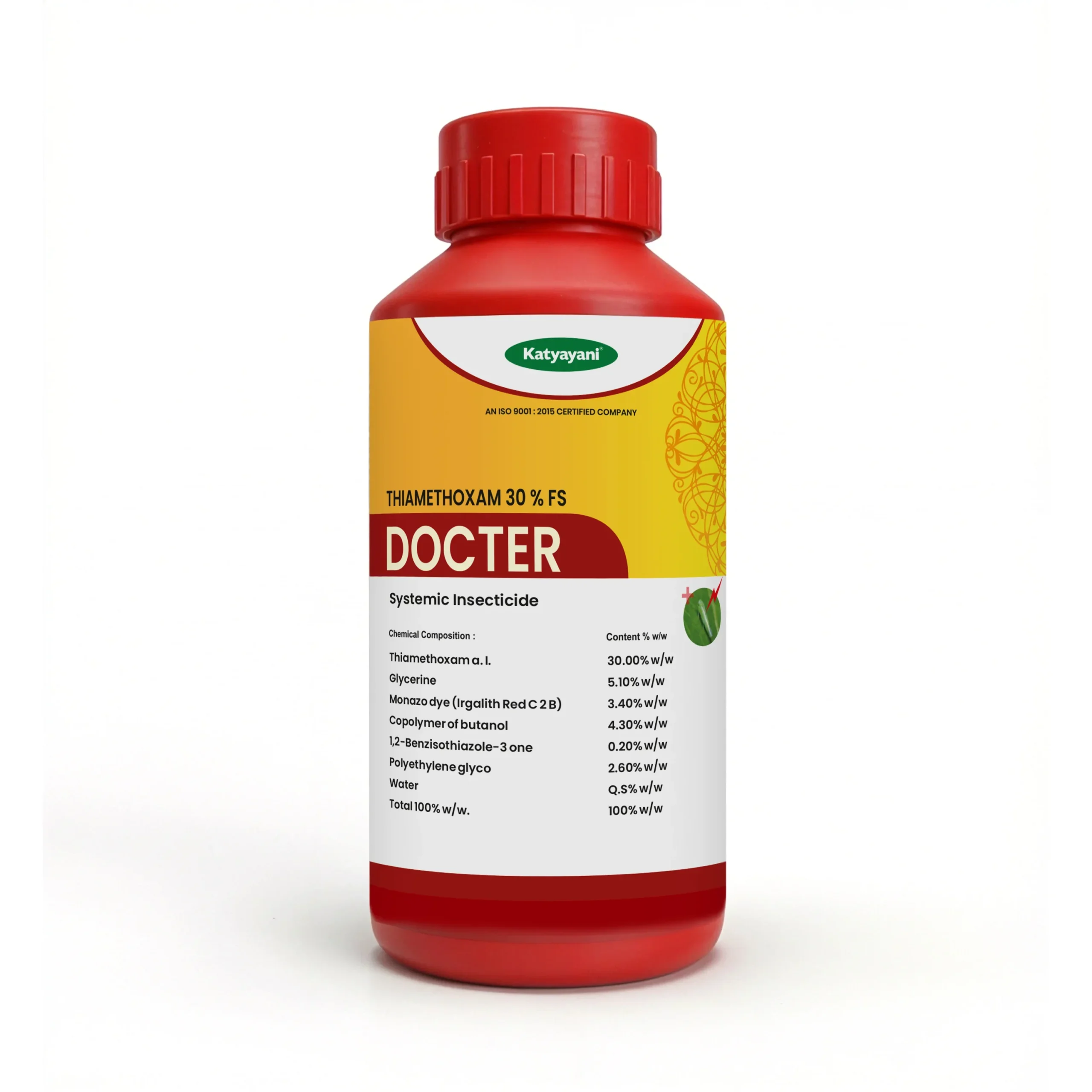
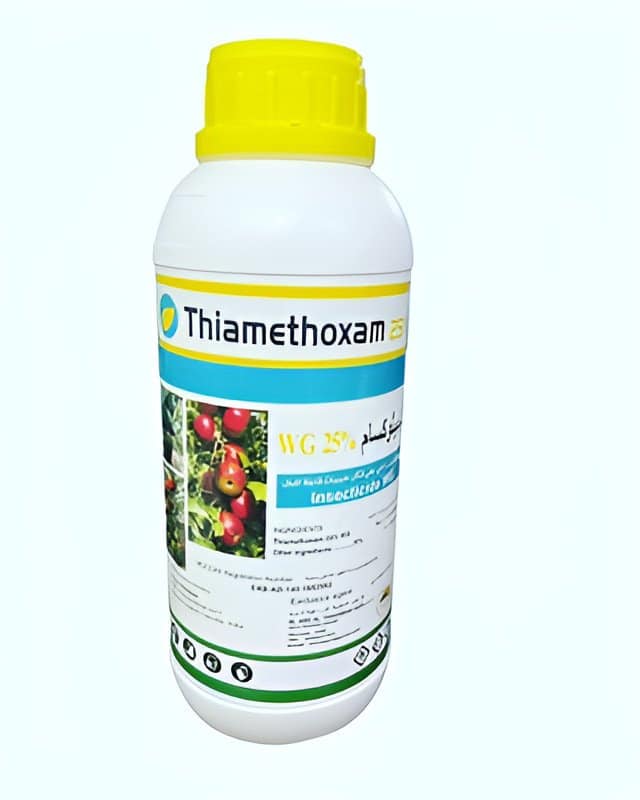
Formulation types available: Technical Concentrate (TC), Water-dispersible granules (WG), Soluble concentrate (SL), Suspension concentrate (SC), Seed treatment concentrates (custom grades)
-
Assay / Purity (technical grade): typically ≥ 95.0% (specifiable per contract)
-
Impurities: controlled to meet major regulatory standards (spec sheet provided on request)
-
Physical form: crystalline solid (technical), particulate granules (WG), or liquid concentrate (SC/SL) depending on formulation chosen
-
Color/appearance: off-white to pale yellow crystals (technical); formulation color varies by type
-
Particle size (WG/seed treatment grades): configurable (e.g., D50 typically 50–200 µm) to suit application equipment and seed coating requirements
-
Bulk density (technical): typically 0.4–0.7 g/cm³ (depending on formulation); liquid specific gravity provided per batch certificate
-
Solubility: moderately soluble in water depending on formulation; formulation-specific solubility data available in technical data sheet (TDS)
-
Stability / Shelf life: 24 months under recommended storage (cool, dry, away from direct sunlight); stability data available in TDS and COA
-
Packaging options: inner-lined steel drums (25–200 kg), UN-approved IBCs (500–1,000 L) for liquids, multi-wall paper sacks with PE liner (20–50 kg) for granules, bulk flexible intermediate bulk containers (FIBCs) for large volumes, or ISO tank for liquid shipments (custom packaging per contract)
-
Storage conditions: store at 5–30°C, protected from moisture and UV; MSDS and storage guidance provided with shipment
-
Regulatory support documentation: Certificate of Analysis (COA), Material Safety Data Sheet (MSDS), technical data sheet (TDS), and, where applicable, regulatory dossiers for major markets (available on request)
Core Industrial Applications
-
Primary industries: large-scale agriculture (row crops, horticulture), seed treatment manufacturers, commercial greenhouses, and agrochemical formulators. Also used by contract seed treaters and distributors supplying professional growers.
-
Operational use cases: pre- and post-emergence seed treatments to protect seedlings from early-season pests; foliar and soil applications for systemic crop protection; incorporation into custom formulation pipelines for regional product lines. Ideal for crops such as cotton, maize, rice, sugarcane, canola, and certain vegetable crops where systemic protection yields measurable ROI.
-
Why it performs better: systemic activity provides translocation into plant tissues delivering internal protection rather than only surface contact; long residual activity reduces application frequency and labor costs; versatile formulation range (TC, WG, SL, SC) supports seed treatment, foliar spray, and soil incorporation, enabling manufacturers and growers to standardize on a single active across multiple application methods.
-
Commercial relevance: reduces re-treatment rates, lowers pesticide handling and application costs, and supports integrated pest management strategies when used with resistance-management best practices. Suitable for formulators seeking a consistent technical-grade active for high-value private-label products.
Competitive Advantages
-
Quality consistency: manufactured to consistent assay and impurity profiles with batch COA, enabling predictable formulation performance and easy regulatory traceability.
-
Supply reliability: scalable production and priority export logistics to support continuous seasonal supply; options for contract manufacturing and safety stock arrangements for key customers.
-
Logistics capability: flexible packaging and multimodal shipping (ISO tanks, FIBCs, drums, containers) to optimize cost and reduce handling timelines; loading configurations tailored to port and inland transport constraints.
-
Price competitiveness: competitive FOB and CIF pricing available for contract volumes and long-term supply agreements; pricing tiers for repeated annual commitments.
-
Sustainability & environmental considerations: formulation options that reduce application frequency and total active applied per hectare; industry-standard waste-handling and recycling guidance for packaging; supplier can provide environmental dossiers for market registration processes.
-
Technical support: application guidance, compatibility data, seed-coating protocols, safety and regulatory documentation, and joint agronomic trials available for enterprise customers to accelerate adoption and ensure proper resistance management.
Commercial & Supply Information
-
Minimum order quantity (MOQ): BULK 20 MT
-
Loading capacity (MT per container):
-
20-foot container (drums/FIBCs): up to 20 MT depending on packaging configuration and density
-
40-foot high-cube container: up to 24–26 MT depending on packaging and palletization
-
ISO tank: up to 21–24 MT for liquid concentrates depending on specific gravity and filling limits
-
Reviews
There are no reviews yet.