
Description
-
Product Overview
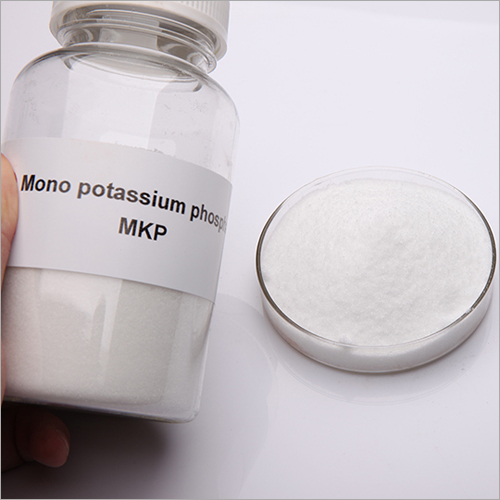
Mono Potassium Phosphate (MKP 0-52-34) is a high-purity, crystalline potassium dihydrogen phosphate designed for demanding industrial and agricultural formulations. Primarily used as a water-soluble fertilizer and as a buffering/chelating agent in specialty chemical processes, MKP delivers precise, fast-available phosphorus and potassium with minimal risk of salt burn. The key value proposition is reliable nutrient ratio and solubility (P as phosphate 52%, K2O equivalent 34%), enabling formulators to optimize performance, reduce feedstock variability, and improve crop uptake or process consistency. Given tightening supply chains and higher quality thresholds across industry, MKP 0-52-34 is strategically important for manufacturers and bulk buyers seeking dependable, high-spec feedstock that minimizes downstream variability. -
Key Specifications & Technical Characteristics
-
Chemical name: Mono Potassium Phosphate (MKP), chemical formula KH2PO4.
-
Nominal nutrient analysis: P2O5 (phosphate) ~52%; K2O (potassium oxide) equivalent ~34% (commonly represented as 0-52-34).
-
Purity/grade: Industrial/technical grade with guaranteed assay (typical purity ≥ 99% available phosphate as KH2PO4); available high-purity/food-grade or reagent-grade batches on request.
-
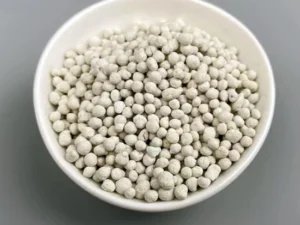
Physical form: Free-flowing crystalline powder or granules.
-
Color: White to off-white crystals.
-
Particle size: Standard granulation 0.5–2.5 mm (custom sieves available per order); soluble powder options with D90 ≤ 250 µm.
-
Bulk density: Typical 0.9–1.2 t/m3 (loose bulk density; packed density varies by packing and compaction).
-
Solubility: Highly water-soluble; rapid dissolution at ambient temperatures.
-
Moisture content: Typically ≤ 0.5–1.0% (depending on grade and packing).
-
pH (1% solution): approx. 4.5–5.5 (buffering properties useful in formulations).
-
Impurities: Low chloride and heavy metal profile; certificates available showing compliance with customer-specified limits.
-
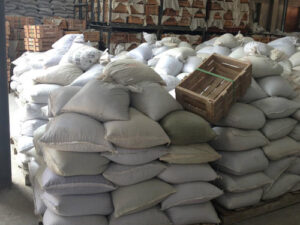
Packaging options: 25 kg multi-wall paper bags with inner PE liner; 500 kg bulk bags (FIBC); ISO tank or bulk tanker unloading for liquid blends; palletized loads with stretch-wrap; custom packaging on request.
-
Shelf life: Indefinite under dry, climate-controlled storage (recommended <60% RH, <30°C); best practice: consume within 24 months to avoid caking in high-humidity environments.
-
Documentation: Certificate of Analysis (CoA), Safety Data Sheet (SDS), product specification sheet, and third-party test reports available upon request.
-
Core Industrial Applications
-
Fertilizer manufacturing and fertigation: Used as a premium phosphorus–potassium source in soluble fertilizers, foliar feeds, and fertigation systems where precise nutrient ratios and solubility are critical; preferred over blended MAP/NPK where low chloride and controlled pH are required.
-
Hydroponics and specialty agriculture: Delivers immediate plant-available P and K with minimal salt stress; ideal for nutrient solutions, growth media amendments, and greenhouse crops that demand high solubility and predictable dosing.
-
Chemical manufacturing and buffer systems: Serves as a buffering agent, pH control component, and reagent in industrial formulations, metal finishing, and laboratory reagents; outperforms less soluble or variable raw materials by producing reproducible process conditions.
-
Food and feed additive (where applicable grade supplied): Functions as an acidity regulator and nutrient fortifier in approved grades with stringent impurity controls.
-
Flame retardants and specialty materials: Precursor for some phosphate-based additives and specialty chemicals requiring a stable, crystalline phosphate source.
Why it performs better: MKP’s single-salt composition yields consistent nutrient release, superior solubility, and low chloride content compared with many compound blends. That reduces clogging in irrigation systems, lowers risk of phytotoxicity, and simplifies quality control for formulators, delivering efficiency and lower total cost of ownership versus variable, lower-purity alternatives.
-
Competitive Advantages
-
Quality consistency: Strict batch testing and CoA issuance ensure tight specification adherence and predictable performance across deliveries.
-
Supply reliability: Established sourcing and production logistics support steady volume fulfillment and rolling inventory options to de-risk buyer supply chains.
-
Logistics capability: Multiple packing formats and containerized bulk options facilitate efficient global shipping, container optimization, and simplified on-site handling (FIBC, 25 kg, or bulk).
-
Price competitiveness: Economies of scale for bulk orders (20 MT+), transparent pricing models, and flexible contract terms for long-term agreements.
-
Sustainability benefits: Low-chloride composition reduces environmental stress in agricultural applications; options for lower-carbon shipping and documentation available on request.
-
Technical support: Application guidance, blending recommendations, handling/stability advice, and tailored QC parameters provided by technical sales and lab teams; SDS and full regulatory documentation included.
-
Commercial & Supply Information
-
Minimum order quantity (MOQ): BULK 20 MT.
-
Loading capacity (per standard container):
-
20 ft container (bulk bags/palletized): approx. 18–20 MT (depending on packing and stowage).
-
40 ft container (bulk bags/palletized): approx. 22–24 MT.
-
40 ft HQ (high cube / optimized loading): approx. 24–26 MT.
-
-
Lead times: Dependent on order size and destination; standard lead time for bulk shipments typically 2–6 weeks from order confirmation (confirm at RFQ).
-
Payment and shipping terms: Negotiable (FOB, CIF, EXW options); export documentation and customs support provided.
Reviews
There are no reviews yet.