
Description
-
Product Overview
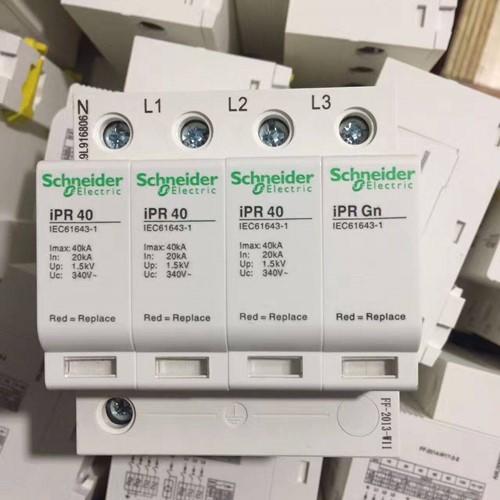
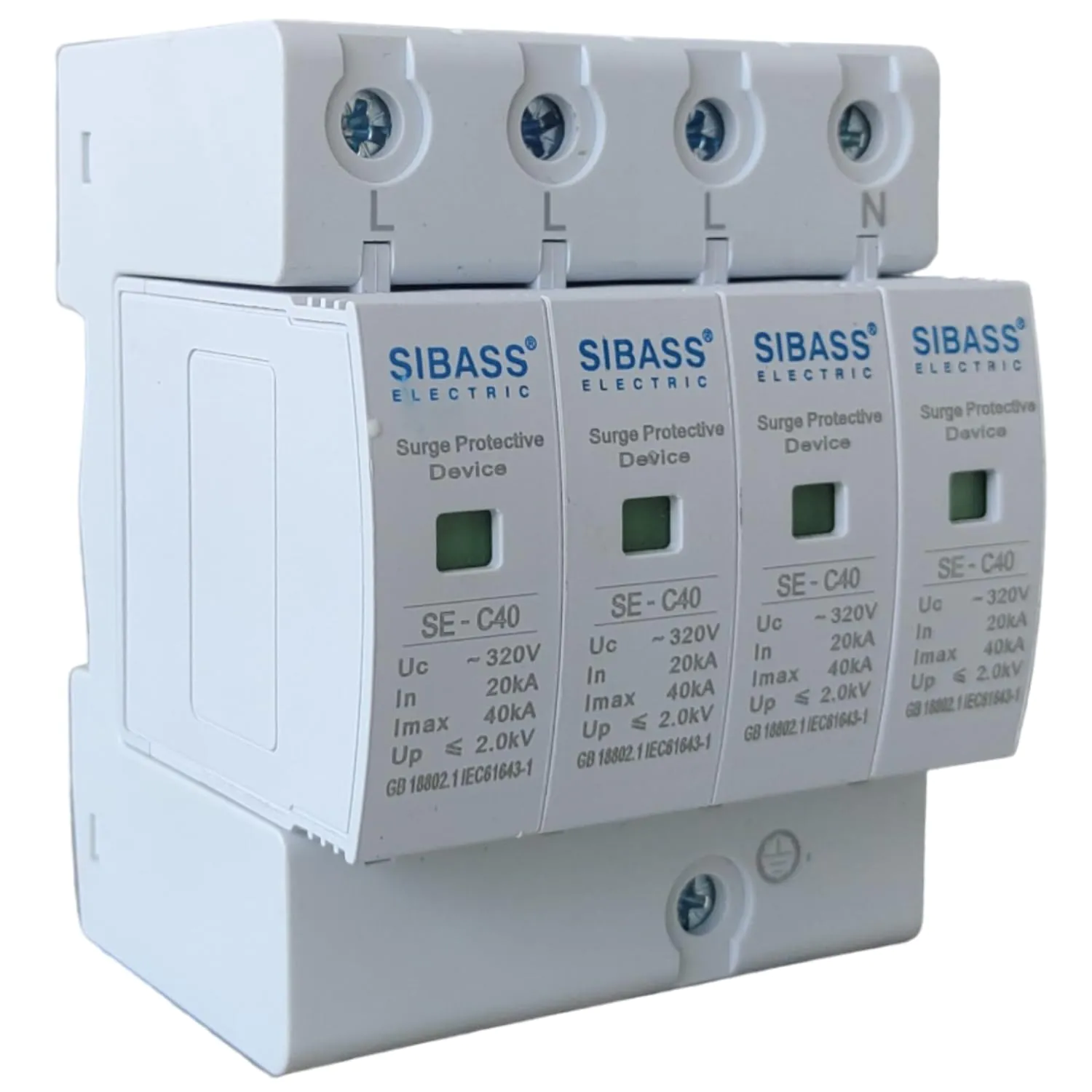
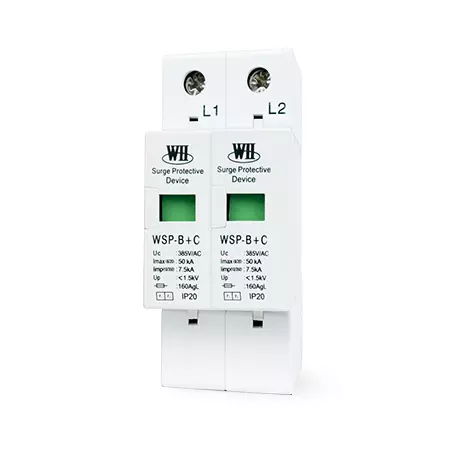
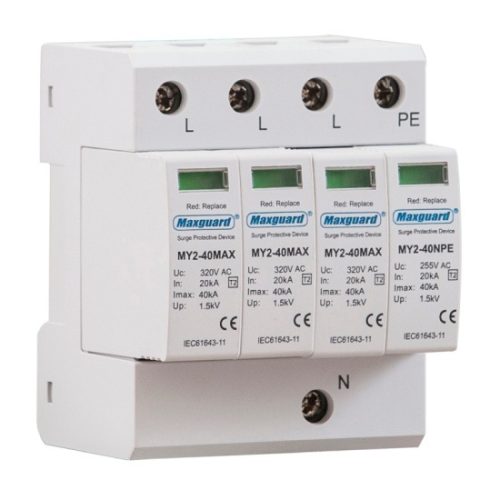
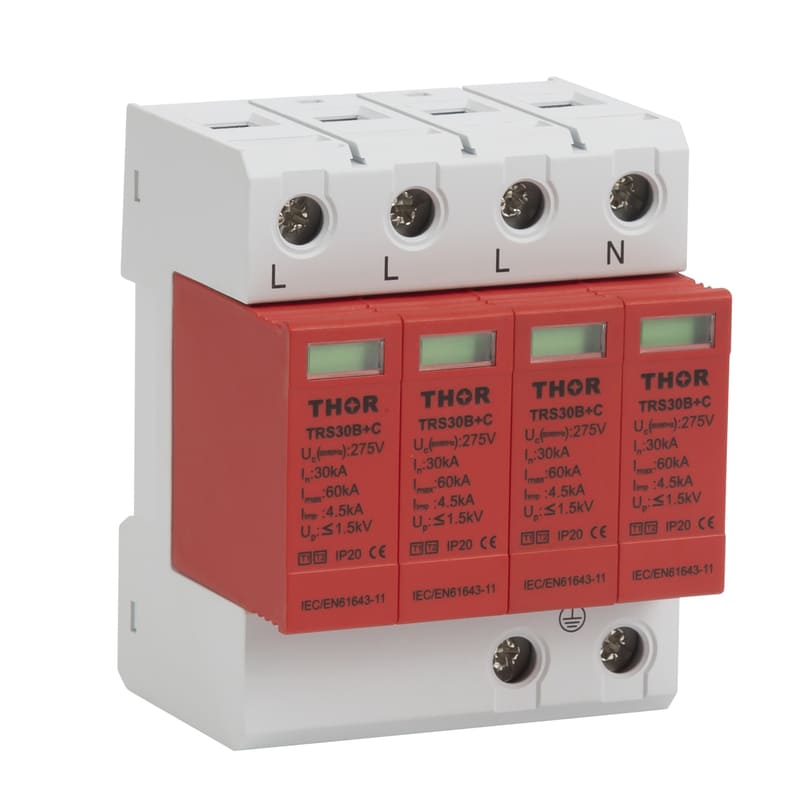
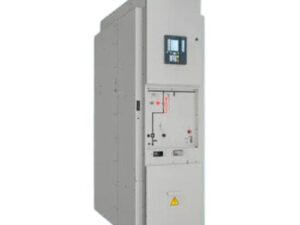
Surge Protection Device (SPD) — industrial-grade electrical safeguard designed to protect critical power systems, machinery, and control equipment from transient overvoltages caused by lightning, switching operations, and grid disturbances. Primarily used in heavy industry, utilities, telecommunications, commercial buildings, and data centers, the SPD preserves operational continuity by diverting, clamping, and attenuating dangerous voltage spikes before they reach sensitive equipment. The key value proposition is immediate, repeatable surge energy absorption with fast response time and predictable fail-safe behavior, minimizing downtime, equipment replacement costs, and production losses. As electrical infrastructures become more complex and uptime requirements rise, integrating SPDs is a strategic risk-management decision that protects capital assets and supports regulatory and insurance compliance.
-
Key Specifications & Technical Characteristics
-
Device type: Class I/II/III (select model), hybrid gas tube + metal-oxide varistor (MOV) topology or dedicated MOV-only designs.
-
Nominal system voltage: options for 120/230/400/480 V AC; custom solutions available up to medium-voltage levels (e.g., 1 kV – 36 kV) upon request.
-
Maximum continuous operating voltage (Uc): specified per model (typical ranges 275 V, 385 V, 600 V AC versions).
-
Nominal discharge current (In): 8 kA (8/20 µs) typical; available models up to 40 kA per pole (8/20 µs).
-
Maximum surge current (Imax): up to 100 kA (8/20 µs) for heavy-duty units.
-
Voltage protection level (Up): ≤1.5 kV for low-voltage models; model-dependent ratings provided on datasheet.
-
Response time: ≤25 ns (MOV-based), <100 ns (gas tube components where applicable).
-
Protection modes: L-N, L-PE, N-PE (configurable per model and system).
-
Energy absorption rating: kJ/kA specifications per model; thermal-magnetic protection for high-energy events.
-
Physical form factor: DIN-rail mountable modules, wall-mounted enclosures, or standalone rack-mount units.
-
Enclosure ratings: IP20 standard for indoor modules; IP54/IP65 options for outdoor/industrial environments.
-
Operating temperature: -40 °C to +85 °C (dependent on model).
-
Mechanical design: corrosion-resistant enclosures (aluminum or stainless steel options), vibration-resistant mounting.
-
Diagnostics & signaling: visual status indicators (green/yellow/red), dry-contact remote alarm, optional SNMP/modbus communications for remote monitoring.
-
Compliance & standards: IEC 61643-11, UL 1449 (3rd edition) where applicable, IEEE C62.41 guidance alignment, CE marking.
-
Material components: MOV (zinc oxide disc technology), gas discharge tubes, thermal disconnects, surge-rated fuses, SPD-grade PCB and connectors.
-
Packaging options: single units in cardboard cartons; bulk crates/palletized packaging for multiple units; custom export packaging for container shipments.
-
Shelf life: passive components shelf-stable; recommended storage in dry conditions at 0–40 °C, relative humidity <70% for optimal long-term reliability (typical service life 5–20 years depending on duty and environment).
-
Core Industrial Applications
-
Power utilities and substations: Protecting transformers, switchgear, and control systems from lightning-induced and switching surges; reduces fault propagation and emergency outages.
-
Manufacturing and heavy industry: Safeguarding PLCs, drives, motors, and process-control instrumentation to minimize unplanned downtime and product scrappage.
-
Data centers and IT infrastructure: Protecting servers, UPS systems, and network equipment to maintain SLAs and prevent data loss.
-
Oil & gas and petrochemical: Explosion-proof and intrinsically safe SPD options for remote facilities and hazardous areas; protects remote telemetry and control systems.
-
Telecommunications and broadcast: Shielding base stations, repeaters, and broadcast transmitters from transient events common on outdoor antenna lines and tower installations.
-
Commercial buildings and critical facilities: Protecting HVAC controls, elevators, fire and security systems, and life-safety equipment to ensure occupant safety and regulatory compliance.
Why it outperforms alternatives
-
Speed and multi-stage protection: Hybrid designs combine fast MOV clamping with high-energy gas discharge stages for both immediate and bulk energy handling.
-
Predictable end-of-life behavior: Thermal disconnects and visible status plus remote alarms allow planned maintenance instead of catastrophic failures.
-
Modular deployment: DIN-rail and rack-mounted options enable targeted protection at service entrance, distribution, and equipment levels for a layered surge protection strategy.
-
Cost-efficiency: Extends life of expensive equipment and reduces forced shutdowns, delivering a lower total cost of ownership than reactive replacement after surge damage.
-
Competitive Advantages
-
Quality consistency: Manufactured to strict IEC/UL processes with batch traceability, incoming component inspection, and burn-in testing for critical models.
-
Supply reliability: Established production capacity with prioritized allocation for large-volume buyers, safety stock levels for fast replenishment, and multi-region distribution centers.
-
Logistics capability: Export-ready packaging, LCL/FCL container handling expertise, ability to deliver via air, sea, or road with documentation (COO, commercial invoice, packing list).
-
Price competitiveness: Tiered pricing for volume commitments, competitive FOB/CIF terms for major ports, and total-cost pricing analysis available for multi-site rollouts.
-
Sustainability: Components sourced with RoHS compliance, waste-minimization packaging options, and end-of-life take-back programs available for large contracts.
-
Technical support & documentation: Comprehensive datasheets, installation guides, wiring diagrams, system-level application notes, surge-calculation worksheets, and responsive engineering support for system integration and site audits.
-
Warranty & service: Standard product warranties with optional extended coverage, on-site commissioning support, and spare-part availability to minimize mean time to repair.
-
Commercial & Supply Information
-
Minimum order quantity (MOQ): BULK 20 MT
-
Loading capacity (MT per container): Typical loading capacity depends on packaging and unit weight; standard 20-foot container up to ~20 MT, 40-foot container up to ~26–28 MT (confirm exact figures based on selected model and packing density).
-
Lead times: Standard stock models 4–8 weeks; custom or certified models subject to project lead times (consult sales for firm schedules).
-
Packaging for shipment: Palletized crates or wooden boxes for export; export documentation support available.
-
Payment & terms: Open to letter of credit, wire transfer, or negotiated commercial terms for qualified accounts (terms to be agreed).
-
After-sales: Replacement modules, preventive maintenance contracts, and local partner network for installation and field service.
Reviews
There are no reviews yet.