
Description
Product Overview
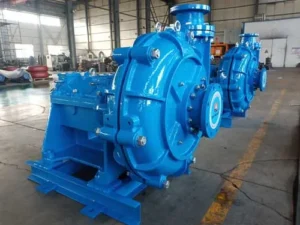
API centrifugal pump is a heavy-duty rotating equipment designed to transport liquids efficiently across industrial operations. It is primarily used for crude oil handling, refined petroleum transfer, water injection, cooling circuits, chemical processing, and utility pumping in upstream, midstream, and downstream facilities. The pump delivers high flow rates with stable head performance, low NPSH requirements, and robust construction for continuous operation in harsh environments—providing improved uptime, reduced lifecycle cost, and simplified maintenance. As a standardized API-specification product, it is strategically important for operators seeking compliance, interchangeability, and predictable performance in critical fluid-management systems.
Key Specifications & Technical Characteristics
-
Design standard: API (American Petroleum Institute) centrifugal pump, compliant with API 610 / API 674 (specify model on order).
-
Hydraulic type: Radially split, single-stage / multistage options; overhung or between-bearing configurations available.
-
Materials of construction: Casing and impeller options in duplex stainless steel, super duplex, carbon steel (CS A216 WCB), 410/420 stainless, Alloy 20, Hastelloy, or specialist alloys per process requirements.
-
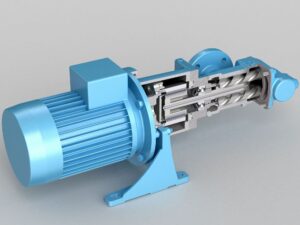
Mechanical components: Shaft (17-4 PH, AISI 4140), sleeves, wear rings and shaft seals (single, double, API gland, mechanical seal arrangements).
-
Sealing: Cartridge mechanical seals, tandem or dual pressurized seal systems, API Plan options for seal support systems.
-
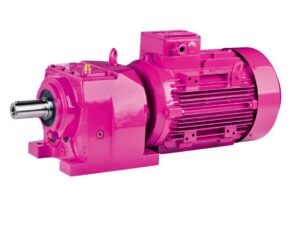
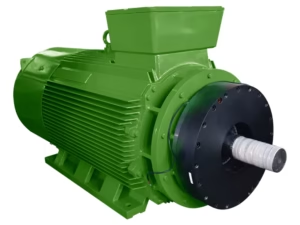
Powertrain: IEC / NEMA motor compatibility, coupling types, and driver options including electric motor, steam turbine, gas engine, or API-compliant gearbox.
-
Performance range: Flow rates from small package units to high-capacity units (selectable to customer specification); heads from low to high-pressure multistage applications.
-
Temperature rating: Cryogenic to high-temperature service (material-dependent; specify on order).
-
Physical characteristics: Rotating assembly balanced to ISO G2.5 or better; pump weight and dimensions per model; cartridge assemblies for rapid replacement.
-
Surface finish and coatings: Internal surfaces polished or coated (epoxy, fusion-bonded, corrosion inhibitors) as required.
-
Instrumentation: Bearing temperature and vibration monitoring ports; API-compliant instrumentation integration available.
-
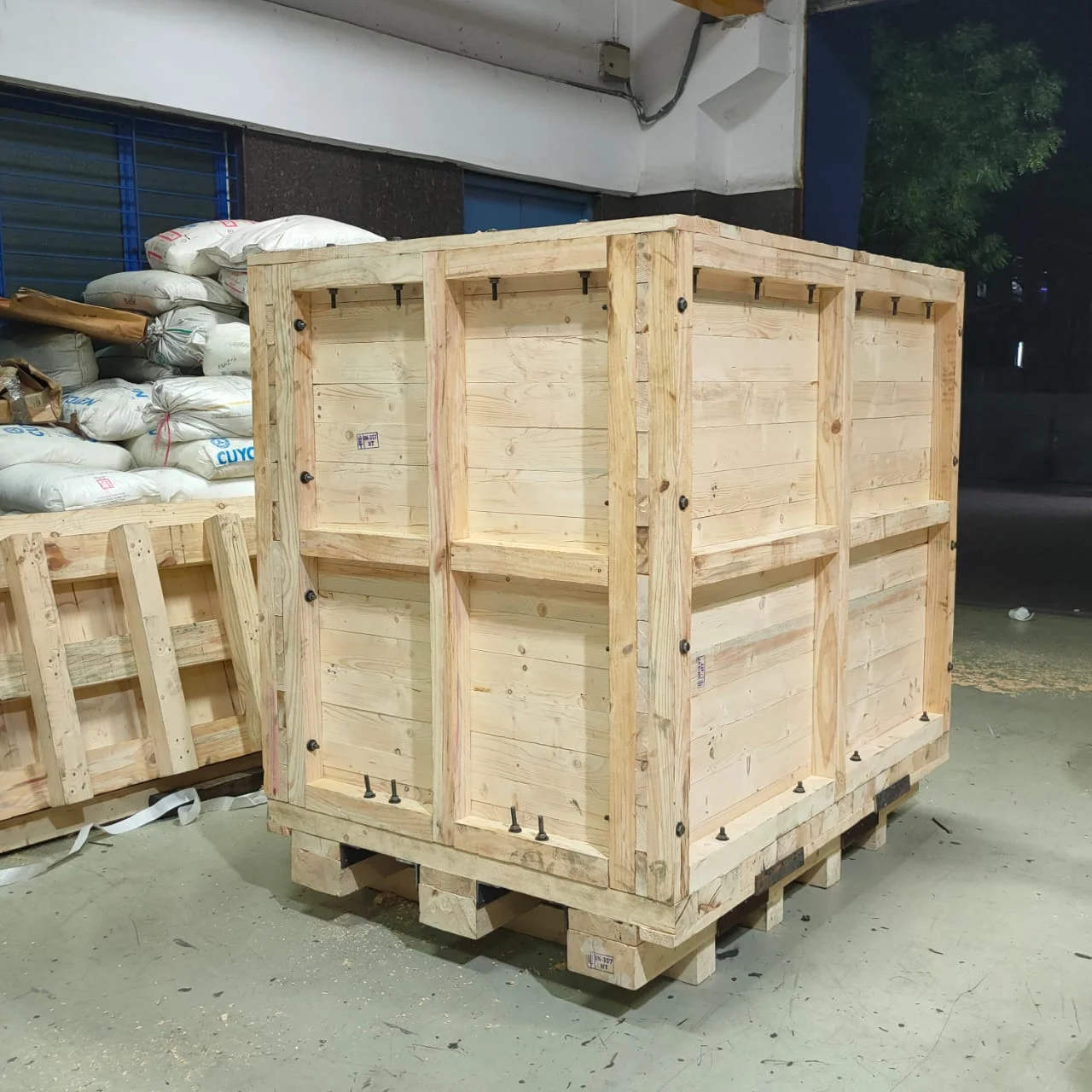
Packaging options: Skid-mounted, baseplate with coupling guard, containerized units for turnkey delivery; protective export packaging for sea freight.
-
Documentation: Full data book, performance curves, material certificates (MTC), NDE reports, and operation & maintenance manuals included.
-
Shelf life: Not applicable for mechanical rotating equipment; recommended storage procedures and preservation treatments provided.
Core Industrial Applications
-
Oil & Gas (upstream, midstream, downstream): Crude oil delivery, produced water transfer, desalting feed, pipeline booster stations, refinery charge pumps. Performs better due to API-specification interchangeability, proven hydraulics, and seal systems optimized for hydrocarbon services.
-
Petrochemical & Chemical Processing: Transfer of process streams, charge pumps for reactors, distillation reboilers, and petrochemical condensate handling; offers enhanced corrosion-resistant material options and tight tolerances for predictable throughput.
-
Power Generation: Boiler feed, condensate extraction, cooling water circulation; designed for long run-times and easy maintenance to minimize forced outages.
-
Water & Wastewater: High-capacity transfer, booster stations, and industrial effluent handling with options for solids handling and abrasion-resistant components.
-
Mining & Minerals: Slurry-capable configurations and robust sealing options for abrasive or corrosive slurries; increased wear life versus standard pumps.
Why it performs better than alternatives -
Engineered to API standards for dimensional interchangeability and proven hydraulic efficiency.
-
Modular material and seal options allow precise matching to process chemistry, reducing corrosion and seal failure risk.
-
Designed for ease of maintenance (cartridge assemblies, accessible wear components), reducing mean time to repair and lifecycle costs.
-
Integrated instrumentation and balanced rotors reduce vibration-related failures and extend bearing life.
Competitive Advantages
-
Quality consistency: Manufactured to stringent QA/QC protocols with material traceability (MTC) and third-party inspection options.
-
Supply reliability: Production planning for bulk orders, long-lead item management, and prioritized scheduling for strategic customers.
-
Logistics capability: Export packaging, skids, and containerized delivery; coordination for FOB, CIF, or DAP shipping terms.
-
Price competitiveness: Scalable production and alloy sourcing reduce per-unit cost for large orders; total-cost-of-ownership (TCO) focus in pricing.
-
Sustainability: Material selection and efficiency-oriented hydraulics reduce energy consumption; options for recyclable materials and low-toxicity coatings.
-
Technical support: Comprehensive documentation, aftermarket spare parts kits, repair and refurbishment services, and on-request engineering support for sizing, API data sheets, and field commissioning.
Commercial & Supply Information
-
Minimum order quantity (MOQ): BULK 20MT.
-
Loading capacity (MT per container): Varies by model and packaging; typical ISO 20-ft container can carry up to 20–24 MT gross depending on unit dimensions and export packaging. For large skids and between-bearing units, LCL or open-top/flat-rack shipping may be required—contact us with model and dimensions for precise loading planning.
Reviews
There are no reviews yet.