

Description
-
Product Overview
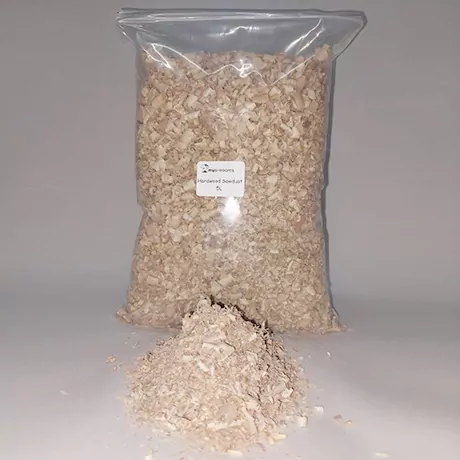
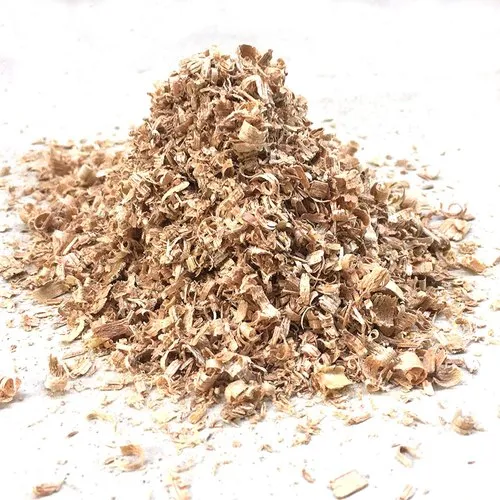
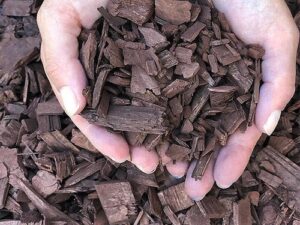
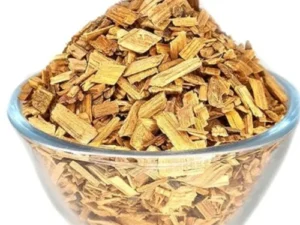
Hardwood Sawdust is a high-quality, industrial-grade wood particulate produced from sustainably sourced hardwood species. It serves as a versatile feedstock across industrial processes — including pellet and briquette production, activated carbon feedstock, mushroom substrate, animal bedding, and as a filler or absorbent in manufacturing lines. The primary value proposition is consistent, low-moisture, fine-particle hardwood sawdust that improves process yields, reduces downstream variability, and enables predictable thermal and chemical performance versus mixed or softwood residues. Strategically, this product supports circular-economy sourcing, secures upstream biomass supply for energy and materials manufacturers, and de-risks production for buyers who require steady, specification-driven raw materials. -
Key Specifications & Technical Characteristics
-
Material: 100% hardwood species (e.g., oak, maple, beech) blend; no softwood admixture.
-
Chemical composition: Predominantly cellulose and lignin; typical proximate composition available on request (cellulose ~40–50%, hemicellulose ~20–30%, lignin ~20–30% depending on species).
-
Moisture content: Standard supply at 8–12% (low-moisture option ≤6% available on contract).
-
Particle size distribution: Predominantly fine fraction, 0.5–6 mm (custom sieving to 0–2 mm, 2–5 mm on request).
-
Bulk density (loose): Typical 120–220 kg/m³ (tamped density data available).
-
Ash content: Low (typically <1.5%); laboratory-certified values provided per lot.
-
pH: Neutral to slightly acidic (typically 4.5–6.5).
-
Odor: Natural hardwood aroma; no chemical odors or contaminants.
-
Contaminant limits: Free of metal debris, chlorinated compounds, and chemical treatments; certificate of analysis (CoA) provided per shipment.
-
Form: Dry loose sawdust; pelletized feedstock or briquette-ready options available.
-
Packaging options: Bulk loose in 20 MT bulk containers, Flexi-bags (1–1.5 MT), 25 kg sealed bags, or pneumatic tanker loading for bulk orders.
-
Shelf life: Stable under dry storage for 12–24 months; recommended storage in covered, dry facilities to maintain specification.
-
Quality assurance: Lot-by-lot CoA, traceability to source mill, and third-party testing upon request.
-
Core Industrial Applications
-
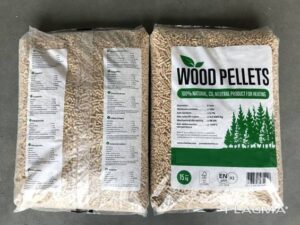
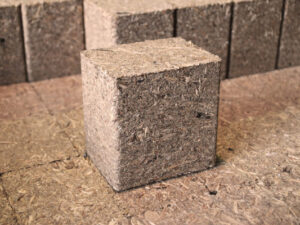
Energy & Fuel: Pellet and briquette manufacturers use hardwood sawdust for high-energy-density solid fuels. Hardwood delivers superior calorific value and lower ash than many softwoods, improving kiln throughput and reducing ash handling costs.
-
Activated Carbon & Carbon Products: Serves as premium precursor for activated carbon and biochar production due to consistent carbon content and low ash, yielding higher surface area and adsorption capacity versus heterogeneous feedstocks.
-
Horticulture & Mycology: Employed as a primary substrate for mushroom cultivation and high-quality soil amendments. Hardwood’s structure and nutrient profile support controlled colonization and higher yields compared with mixed sawdusts.
-
Animal Bedding & Absorbents: High absorbency and low dust formulation make it suitable for livestock bedding and industrial spill control; superior odor control and pathogen suppression when compared to untreated agricultural byproducts.
-
Composite Materials & Fillers: Used as a filler in wood-plastic composites, particleboard, and MDF manufacturing where tight particle-size control reduces resin consumption and improves finished-board density and surface finish.
Why it outperforms alternatives: -
Consistency: Single-source hardwood blends reduce variability in thermal and chemical behavior.
-
Operational efficiency: Lower moisture and ash reduce drying time and maintenance, lowering production costs.
-
Product quality: Fine, uniform particles improve pellet density, composite bonding, and activated carbon yield.
-
Competitive Advantages
-
Quality consistency: Mill-sorted, species-specified supply with lot traceability and CoA for each shipment.
-
Supply reliability: Long-term supply contracts and regional inventory hubs enable steady replenishment for continuous-production customers.
-
Logistics capability: Bulk loading (20 MT container), Flexi-bag and bagging lines, and pneumatic loading infrastructure support containerized export and efficient inland delivery.
-
Price competitiveness: Commodity pricing model tied to contract volume and term; volume discounts and forward-purchase pricing available to reduce input-cost volatility.
-
Sustainability: Sourced from certified, legally compliant hardwood processing residues; available documentation for chain-of-custody and sustainable sourcing claims.
-
Technical support: Application guidance for pelletizing, carbonization, and substrate formulation; technical data sheets and trial sample programs for qualified buyers.
Positioning: Presented as a strategic raw-material choice that reduces feedstock risk, improves process KPIs, and supports sustainability objectives.
-
Commercial & Supply Information
-
Minimum order quantity (MOQ): BULK 20 MT
-
Loading capacity (MT per container): Standard 20 MT per 20-foot container (up to 22–24 MT possible with densification/pneumatic loading subject to contract and port regulations)
Reviews
There are no reviews yet.