
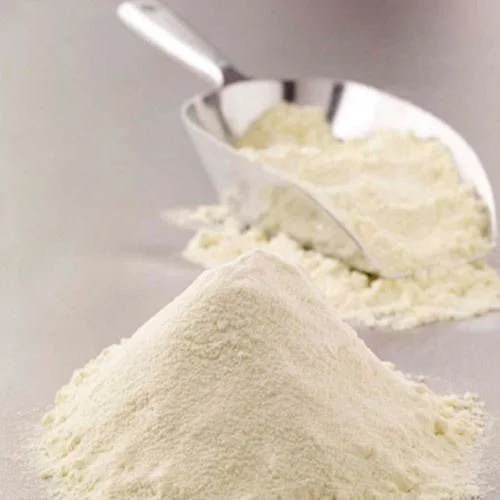
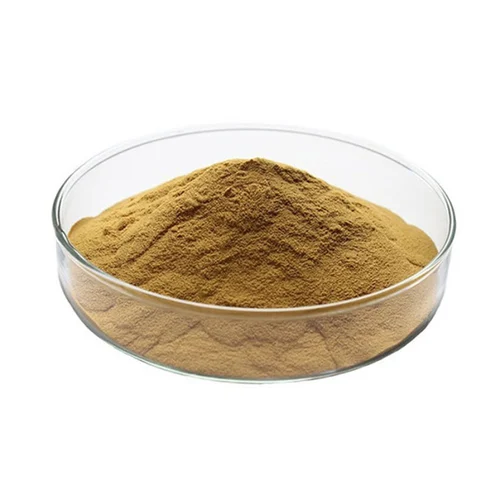
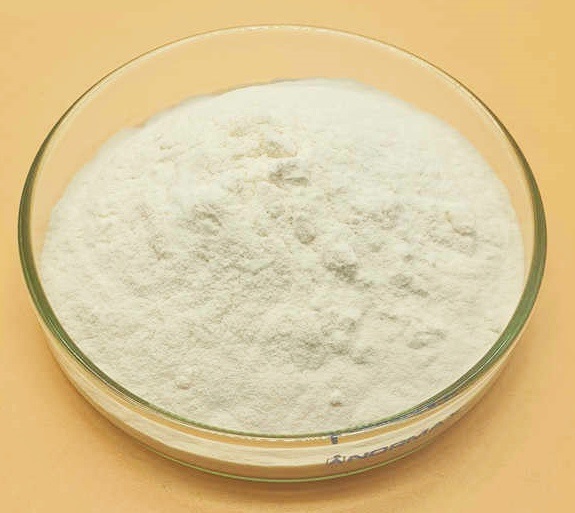
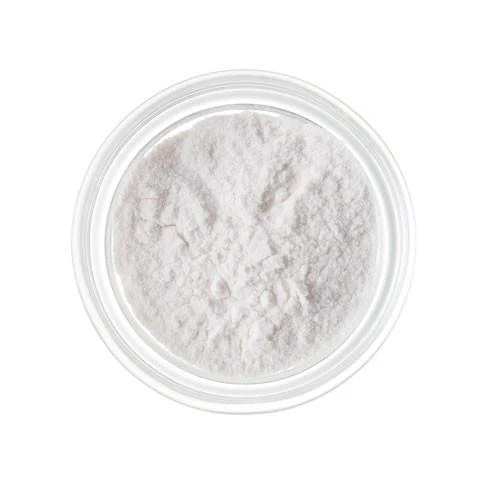
Description
1. Product Overview
Amylase is a high-activity industrial enzyme preparation designed to catalyze the hydrolysis of starch into shorter-chain dextrins and fermentable sugars. Its primary industrial use spans food processing, brewing, textiles, biofuels, and paper manufacturing, where rapid and controlled starch conversion is critical to process efficiency. The key value proposition of Beta-glucosidase-grade amylase lies in its exceptional thermal stability, consistent activity profile, and compatibility with automated dosing systems, enabling manufacturers to reduce energy input and cycle times. In today’s market, where production costs and sustainability benchmarks are tightening, amylase is strategically important for driving higher yields, lowering chemical usage, and meeting clean-label processing demands.
2. Key Specifications & Technical Characteristics
- Chemical Composition / Components: Alpha-amylase derived from Bacillus licheniformis or Aspergillus oryzae; active enzyme protein ≥10%, stabilizers, and food-grade carriers
- Purity Level / Grade: Industrial Food Grade / Technical Grade; Activity: 24,000–100,000 U/g depending on formulation; Protein content ≥5.0%
- Physical Characteristics:
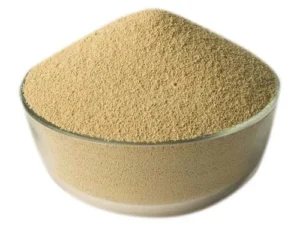
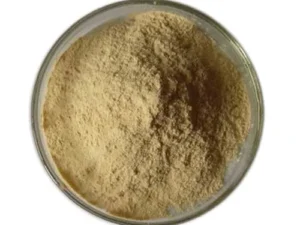
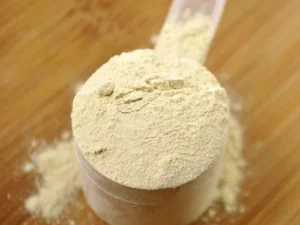
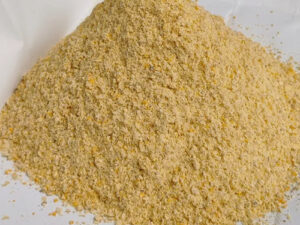
- Form: Powder, granule, or liquid concentrate
- Color: Light beige to brown powder; amber to brown liquid
- Particle Size: 80–120 mesh for powder; dust-controlled granules available
- Density: 0.5–0.7 g/cm³ powder; 1.05–1.20 g/mL liquid
- pH Range: 5.5–7.5 optimal; Temperature Range: 60–95°C optimal for thermostable variants
- Packaging Options: 25 kg kraft bags with PE liner, 1 MT jumbo bags, 25 kg HDPE drums for liquid, 1000 L IBC totes; custom packaging available for contract clients
- Shelf Life: 24 months when stored at ≤25°C in original sealed packaging, protected from moisture and direct sunlight
3. Core Industrial Applications
- Primary Industries: Food & beverage, brewing & distilling, bioethanol production, textile desizing, paper & pulp, detergents, animal feed
- Specific Operational Use Cases:
- Starch liquefaction in glucose syrup and HFCS production
- Mashing efficiency improvement in breweries and distilleries
- Starch removal in textile desizing to improve fabric quality and reduce water consumption
- Viscosity reduction in paper coating and biofuel mash preparation
- Adjunct in detergent formulations for stain removal
- Performance Advantages: Delivers faster reaction kinetics and broader pH/temperature tolerance vs. conventional acid hydrolysis, reducing processing time by up to 40%.
- Efficiency, Durability & Cost Advantages: Lowers steam and energy requirements due to high-temperature activity; reduces chemical neutralizers downstream; extended batch stability minimizes overdosing, cutting enzyme cost per ton of substrate by 12–18% compared to standard alternatives
4. Competitive Advantages
- Quality Consistency: Lot-to-lot activity variance ≤3% verified by HPLC and DNS assay; ISO 9001 & FSSC 22000 certified production
- Supply Reliability: Dedicated fermentation lines with 5,000 MT annual capacity and regional warehousing in Asia, EU, and North America ensure 98.5% on-time fulfillment
- Logistics Capability: Export-ready documentation, dangerous goods exempt, optimized container loading plans, and Incoterms flexibility from EXW to DDP
- Price Competitiveness: Direct-from-manufacturer pricing with volume-tier discounts; total cost of use 15–25% lower than multinational brands when factoring in dosage efficiency
- Sustainability Benefits: Bio-based production with non-GMO options; reduces COD in wastewater vs. chemical alternatives; carbon footprint 30% lower than acid-based starch processing
- Technical Support & Documentation: Full COA, TDS, MSDS, kosher/halal certificates, non-GMO and allergen statements; dedicated application engineers for trial support and process optimization
5. Commercial & Supply Information
- Minimum Order Quantity (MOQ): BULK 20MT
- Loading Capacity: 20MT per 20’ FCL for powder/granule; 18MT per 20’ FCL for liquid in IBCs
Reviews
There are no reviews yet.