
Description
1. Product Overview
Xylanase is a high-activity hydrolytic enzyme that specifically catalyzes the breakdown of xylan, a major component of hemicellulose found in plant cell walls, into xylo-oligosaccharides and xylose. Its primary industrial use spans animal feed, pulp & paper, baking, and biofuel production, where it improves process efficiency and end-product quality. The key value proposition is significant reduction in processing costs and resource consumption while enhancing yield, digestibility, and product performance. Xylanase is strategically important in the global market as industries intensify focus on sustainable bioprocessing, feed efficiency, and replacement of harsh chemicals with eco-friendly enzymatic solutions.
2. Key Specifications & Technical Characteristics
- Chemical composition / Material components: Endo-1,4-β-Xylanase enzyme produced from non-GMO Trichoderma reesei or Aspergillus niger fermentation; contains stabilizers and carrier such as maltodextrin or wheat flour
- Purity level / Grade: Food Grade, Feed Grade, Industrial Grade available; Enzyme activity: 10,000 U/g to 200,000 U/g (DNS method, pH 5.5, 50°C)
- Physical characteristics:
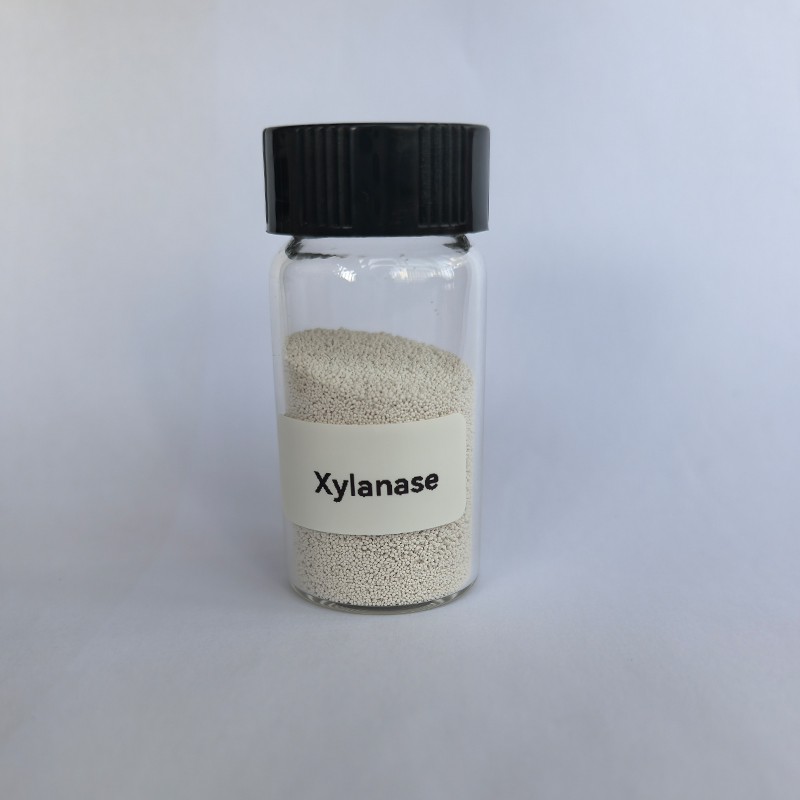
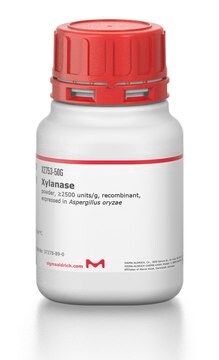
- Form: Free-flowing powder or liquid concentrate
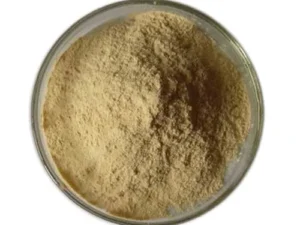
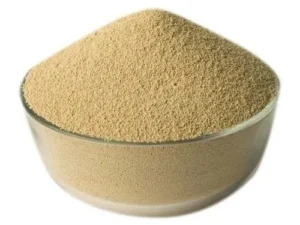
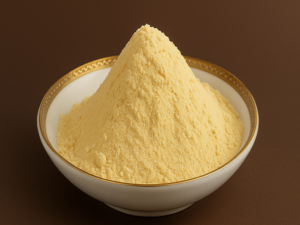
- Color: Light yellow to light brown powder; brown liquid
- Particle size: 80–120 mesh for powder
- Bulk density: 0.5–0.7 g/mL for powder
- Packaging options: 25kg kraft paper bags with PE liner, 25kg HDPE drums for powder; 30kg HDPE drums, 200kg drums, or 1MT IBC totes for liquid
- Shelf life: 24 months for powder, 12 months for liquid when stored at 0–25°C in original sealed packaging, away from direct sunlight and moisture
- Optimal conditions: pH 4.5–6.5, Temperature 45–60°C; Stable across pH 3.5–8.0
3. Core Industrial Applications
- Primary industries: Animal Feed & Nutrition, Pulp & Paper Manufacturing, Baking & Food Processing, Bioethanol & Bioenergy, Textile Processing
- Specific operational use cases:
- Animal Feed: Added to poultry, swine, and aquafeed diets to degrade non-starch polysaccharides in wheat, corn, and barley, improving nutrient absorption and reducing digesta viscosity
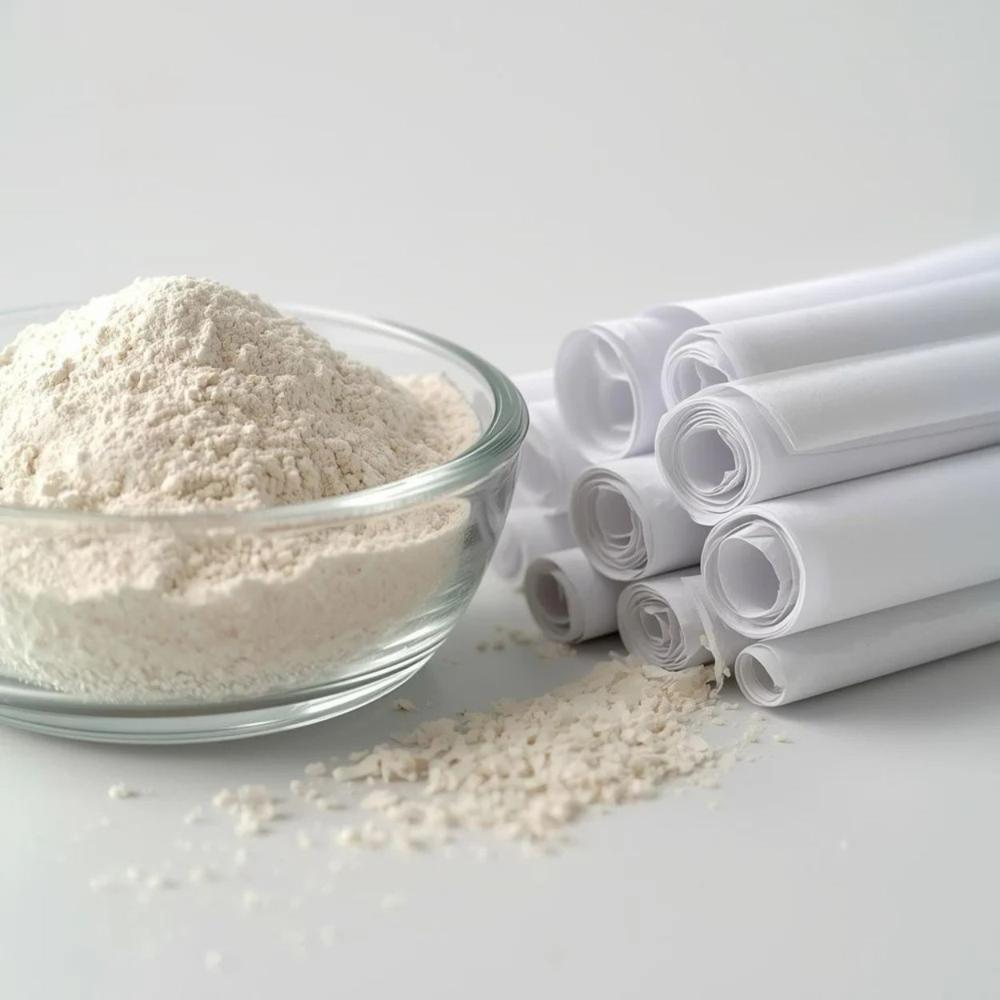
- Pulp & Paper: Used in bio-bleaching of kraft pulp to reduce chlorine dioxide consumption and improve brightness without compromising fiber strength
- Baking: Enhances dough handling, volume, and crumb structure in bread and baked goods by modifying arabinoxylan in flour
- Biofuel: Accelerates enzymatic hydrolysis of lignocellulosic biomass for higher fermentable sugar yield in 2G ethanol production
- Why it performs better than alternatives: Unlike harsh chemical treatments or less specific enzymes, xylanase offers substrate specificity, operates under mild conditions, and leaves no toxic residues
- Efficiency, durability, or cost advantages: Reduces energy consumption in pulping by 10–15%, improves feed conversion ratio by 3–7% in poultry, cuts chemical bleaching costs by up to 20%, and maintains high activity across broad processing conditions for consistent batch performance
4. Competitive Advantages
- Quality consistency: Every batch is HPLC and activity-assayed with CoA provided; ≤5% activity variance between lots ensuring predictable performance in large-scale operations
- Supply reliability: Dedicated 5,000 MT/year fermentation capacity with dual-sourcing of raw materials and 3-month safety stock maintained for contracted clients
- Logistics capability: Global DDP shipping from bonded warehouses in Singapore, Rotterdam, and Houston; export documentation, MSDS, TDS, Non-GMO, Halal, Kosher certifications standard
- Price competitiveness: Tiered pricing for annual contracts; bulk orders achieve 12–18% lower cost-in-use versus chemical alternatives due to lower dosage and process savings
- Sustainability / Environmental benefits: Biodegradable, non-toxic, and reduces AOX emissions in pulp mills; supports carbon footprint reduction by replacing chlorine-based processes and improving feed efficiency to lower livestock emissions
- Technical support / Documentation availability: Dedicated application specialists for dosing optimization, on-site trials, and regulatory support; full dossier including REACH, FAMI-QS, ISO 22000 available
5. Commercial & Supply Information
- Minimum order quantity (MOQ): BULK 20MT
- Loading capacity: 18–20MT per 20′ FCL for powder; 20–22MT per 20′ FCL for liquid in IBCs
Reviews
There are no reviews yet.