
Description
1. Product Overview
Niacin (Nicotinic Acid) is a high-purity, crystalline vitamin B3 essential for cellular energy metabolism and lipid regulation. Its primary industrial applications span animal feed fortification, pharmaceutical formulations, and cosmetic intermediates. The key value proposition is its proven efficacy in reducing LDL cholesterol and triglycerides in livestock (swine/poultry) while enhancing feed conversion ratios, offering a 12–18% ROI improvement over non-supplemented feed. Strategically, Niacin is critical for global food security and nutraceutical supply chains, with demand tightly correlated to protein consumption growth and preventative healthcare trends.
2. Key Specifications & Technical Characteristics
-
Chemical Composition: Nicotinic Acid (Pyridine-3-carboxylic acid); CAS 59-67-6; Molecular Weight 123.11 g/mol
-
Purity Grade: Feed Grade (≥99.0%), Pharmaceutical Grade (USP/EP, ≥99.5%)
-
Physical Characteristics:
-
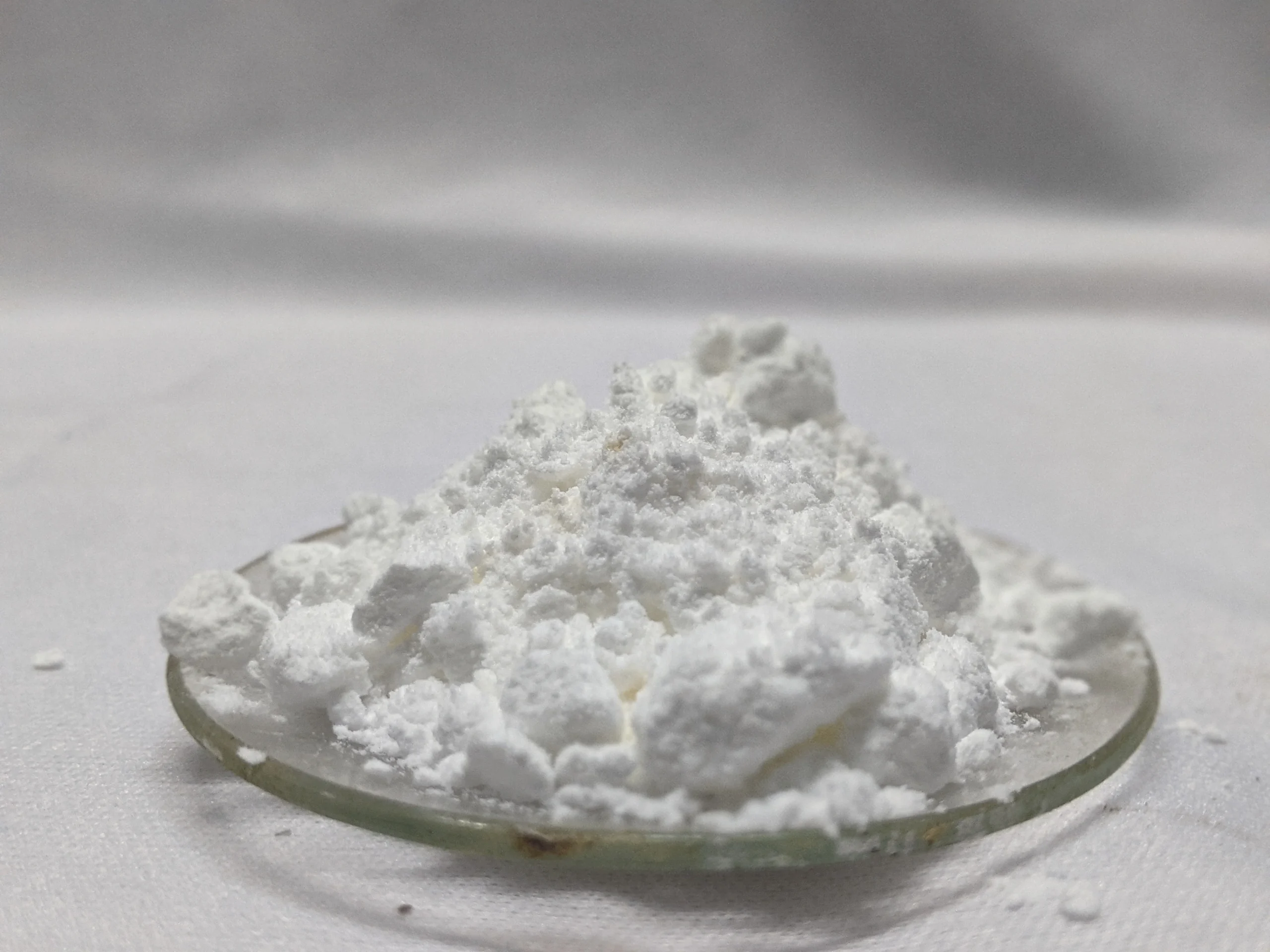
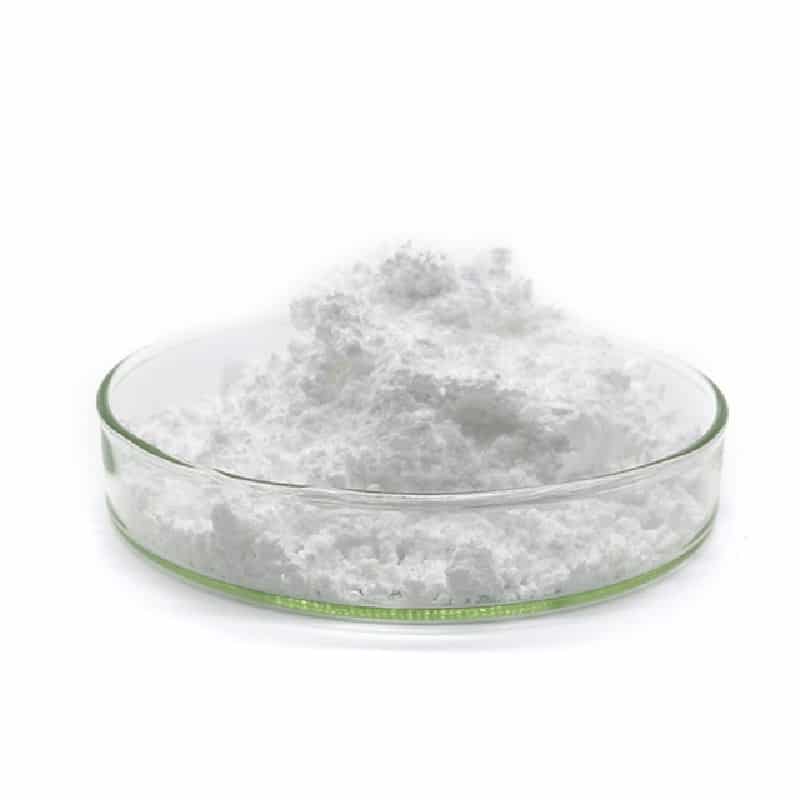
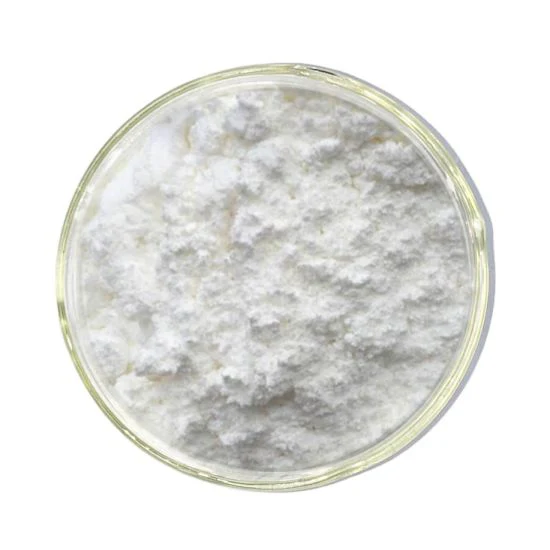
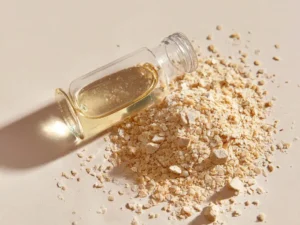
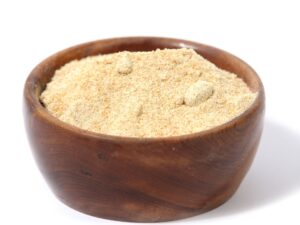
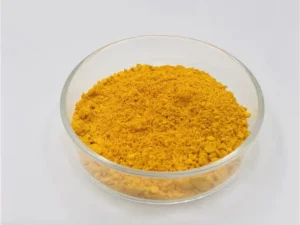
Form: White to off-white crystalline powder
-
Particle size: 80–120 mesh (standard); <50 ppm residual solvent
-
Bulk density: 0.45–0.55 g/cm³
-
Loss on drying: ≤0.5%
-
Residue on ignition: ≤0.1%
-
-
Packaging Options:
-
25 kg multi-wall kraft paper bags with PE liner
-
500 kg FIBC (bulk bags)
-
Custom: 1 MT totes or heat-sealed aluminum foil for pharma
-
-
Shelf Life: 36 months from manufacture in unopened, dry conditions (<25°C, RH<60%)
3. Core Industrial Applications
-
Animal Feed (75% of global demand): Used in swine, poultry, and aquaculture premixes to prevent pellagra, reduce fatty liver syndrome, and improve weight gain. Outperforms niacinamide in heat stability (stable up to 120°C during pelletizing). Cost advantage: 0.5–1.0 kg per MT of feed reduces veterinary costs by 8–10%.
-
Pharmaceuticals: Active ingredient in anti-hyperlipidemic tablets and B-complex injections. Preferred over niacinamide for controlled-release lipid-lowering formulations due to its distinct vasodilation profile (key for flushing mechanism).
-
Cosmetic & Personal Care: Added to anti-aging serums and moisturizers (0.5–2%) for barrier repair and melanin transfer inhibition. Superior stability in aqueous emulsions compared to ascorbic acid.
-
Food Fortification: Used in cereal flours and energy drinks (at 13–17 mg/100g) to address pellagra in developing markets. Efficiency advantage: non-hygroscopic, prevents caking in high-humidity environments.
4. Competitive Advantages
-
Quality Consistency: Batch-to-batch purity variation <0.2% RSD; ISO 9001:2021 and FAMI-QS certified production lines. Third-party SGS/Intertek testing available on every container.
-
Supply Reliability: Dual sourcing from China and Europe with 8,000 MT strategic warehousing in Rotterdam & Houston. 99.2% on-time in-full (OTIF) delivery record over 36 months.
-
Logistics Capability: Temperature-controlled container options; real-time GPS tracking for bulk orders. Lead time: 15 days ex-warehouse, 30 days FOB.
-
Price Competitiveness: 5–7% below EU average spot price due to backward-integrated nicotinic acid synthesis (direct oxidation of 3-picoline, bypassing volatile cyanopyridine intermediates).
-
Sustainability: 34% lower carbon footprint per MT vs. conventional process (using biomass-derived 3-picoline). Zero liquid discharge (ZLD) manufacturing facility.
-
Technical Support: Full regulatory dossier (MSDS, COA, allergen statement, GMO-free declaration, Halal & Kosher certificates). On-call formulation chemist for troubleshooting.
5. Commercial & Supply Information
-
Minimum Order Quantity (MOQ): 20 MT (bulk industrial / B2B)
-
Loading Capacity:
-
20-ft container: 20 MT (no pallets – max density bag stacking)
-
40-ft container: 26 MT (using 500 kg FIBCs)
-
-
Pricing Structure: Contract pricing (quarterly or annual) for volumes ≥100 MT/year. Spot quotes available.
-
Incoterms Offered: FOB Shanghai / CIF Rotterdam / EXW Midwest USA
-
Lead Time for First Order: 21 days after LC or 50% deposit (sample to production batch).
Reviews
There are no reviews yet.