
Description
1. Product Overview
Vinylene Carbonate (VC) is a high-purity film-forming electrolyte additive essential for lithium-ion battery (LIB) manufacturing, specifically engineered to enable stable solid electrolyte interface (SEI) formation on graphite anodes. Its primary industrial use is to significantly enhance cycle life, capacity retention, and high-temperature stability of batteries for electric vehicles (EVs) and energy storage systems (ESS). The key value proposition lies in its ability to reduce initial irreversible capacity loss while extending cell longevity—directly lowering total cost of ownership for battery operators. Strategically, VC is a non-negotiable component in advanced LIB chemistries, making its consistent quality a critical lever for market competitiveness amid global electrification mandates.
2. Key Specifications & Technical Characteristics
-
Chemical Composition: Vinylene Carbonate (C₃H₂O₃); CAS 872-36-6
-
Purity Grade: ≥ 99.95% (GC analysis) – battery grade; moisture content ≤ 20 ppm; free acid (as HF) ≤ 50 ppm
-
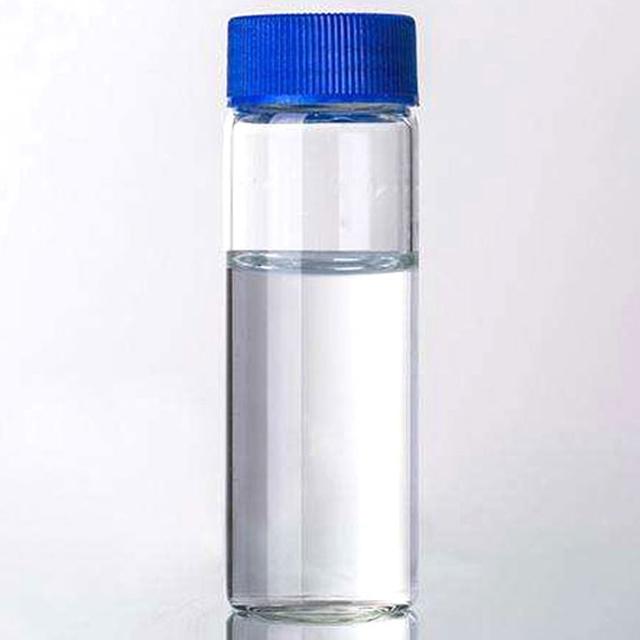
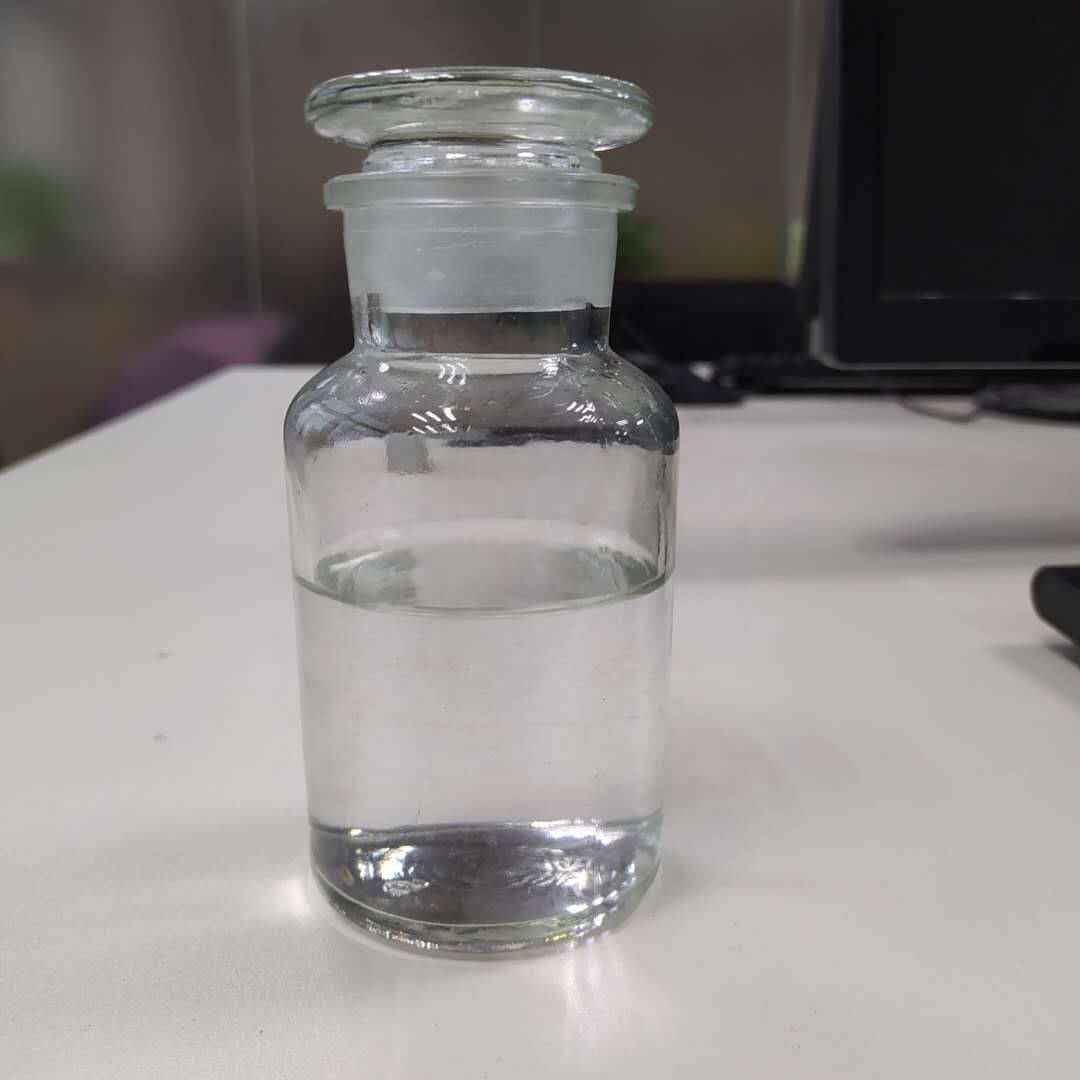
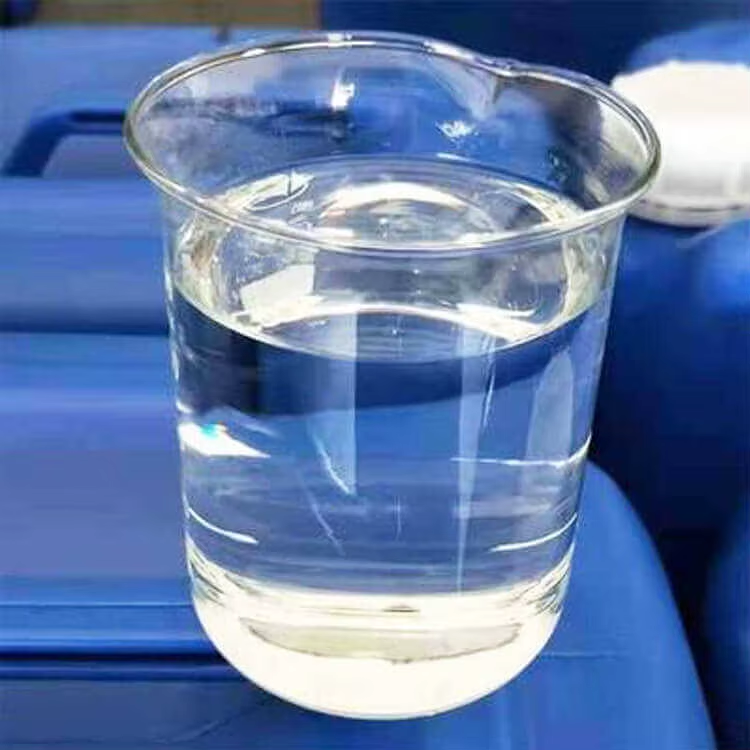
Physical Characteristics: Clear, colorless to pale-yellow liquid; low viscosity; characteristic mild odor
-
Density: 1.355 g/mL at 25°C
-
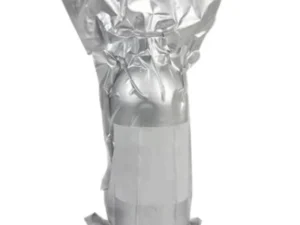
Packaging Options: 200L stainless steel drums (HDPE-lined), 1000L IBC totes, or ISO tank containers for bulk orders; inert gas blanketing standard
-
Shelf Life: 12 months from date of manufacture when stored under dry nitrogen at 15–30°C in original sealed containers
3. Core Industrial Applications
-
Primary Industries: EV lithium-ion battery cell manufacturing, consumer electronics (smartphones/laptops), stationary grid-scale ESS, and high-power power tool batteries
-
Specific Use Cases: Formulated at 1–3% by weight into LiPF₆-based electrolytes for NMC (nickel-manganese-cobalt), LFP (lithium iron phosphate), and NCA (nickel-cobalt-aluminum) cathode systems
-
Performance Advantages: Compared to alternatives like fluoroethylene carbonate (FEC), VC delivers superior high-temperature (60°C) cycle stability and lower gas evolution during formation, reducing cell bulging risk. It enables >2000 cycles at 80% capacity retention—outperforming generic additives by 30% in accelerated aging tests.
-
Commercial Advantage: Lower dosage required (1–2% VC vs. 3–5% for lower-grade additives) to achieve equivalent SEI integrity, directly reducing electrolyte formulation cost by $0.15–0.30/kWh.
4. Competitive Advantages
-
Quality Consistency: ISO 9001:2025 certified production with in-line GC-MS and Karl Fischer testing per batch; traceable certificates of analysis (CoA) provided for every shipment.
-
Supply Reliability: Dual-sourced manufacturing (Asia and Europe) with 5,000 MT annual capacity; 48-hour emergency response buffer stock maintained.
-
Logistics Capability: UN Class 3 hazardous material shipping with real-time tracking; temperature-controlled logistics partner network for moisture-sensitive deliveries.
-
Price Competitiveness: Direct mill supply eliminates broker margin—tiered pricing available for 20+ MT annual contracts.
-
Sustainability & Compliance: REACH, RoHS, and conflict minerals compliant; production uses closed-loop solvent recovery (98% recycling rate).
-
Technical Support: Dedicated application engineers available for electrolyte optimization trials and failure analysis documentation.
5. Commercial & Supply Information
-
Minimum Order Quantity (MOQ): 5 MT (metric tons) for initial trial contract; standard commercial MOQ is 10 MT
-
Bulk Loading Capacity: 20 MT (20 FCL – standard 20-foot container) – maximum net weight per ISO tank or flexitainer configuration
-
Loading per Standard 20FT Dry Container: 16 MT (when using 80 × 200L drums on pallets) or 20 MT (via ISO tank container)
Reviews
There are no reviews yet.