
Description
1. Product Overview
MDF Boards are high-grade, engineered wood panels manufactured from refined lignocellulosic fibers combined with a synthetic resin adhesive, formed under extreme heat and pressure. Their primary industrial use is as a superior substrate for furniture, cabinetry, interior millwork, and decorative surfaces. The key value proposition is their unparalleled dimensional stability, uniform density, and machinability—eliminating knots, warping, or grain splitting found in natural timber. Strategically, MDF is the market’s most reliable raw material for high-speed, high-volume production lines, offering a critical hedge against volatile solid wood supply chains.
2. Key Specifications & Technical Characteristics
-
Material Components: Softwood/hardwood refined fibers, urea-formaldehyde (UF) or melamine-urea-formaldehyde (MUF) resin (E0/E1/E2 compliant); wax emulsion for moisture resistance.
-
Purity & Grade: Industrial Grade (standard) / Premium Grade (ultra-smooth, null core voids). Formaldehyde emission compliant: CARB Phase 2 / E0 (≤0.05 ppm), E1 (≤0.1 ppm).
-
Physical Characteristics:
-
Density: 680–820 kg/m³ (standard); 820–900 kg/m³ (high-density for machining).
-
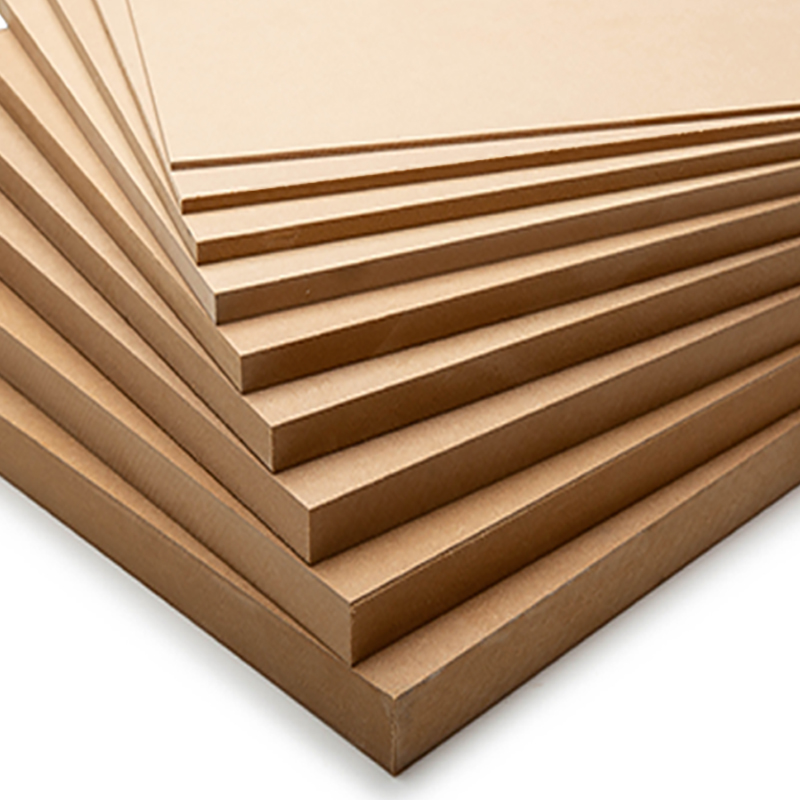
Thickness: 2.5mm to 25mm (common: 3mm, 6mm, 9mm, 12mm, 15mm, 18mm, 25mm).
-
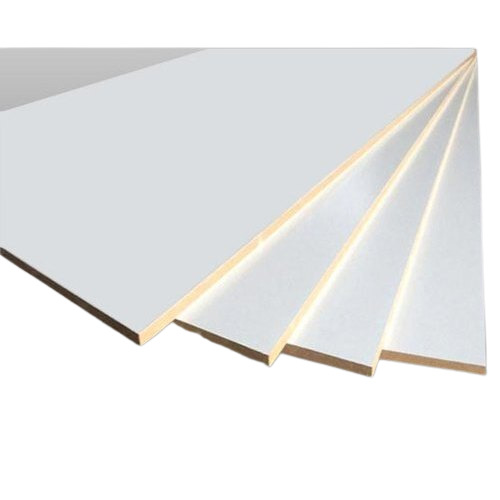
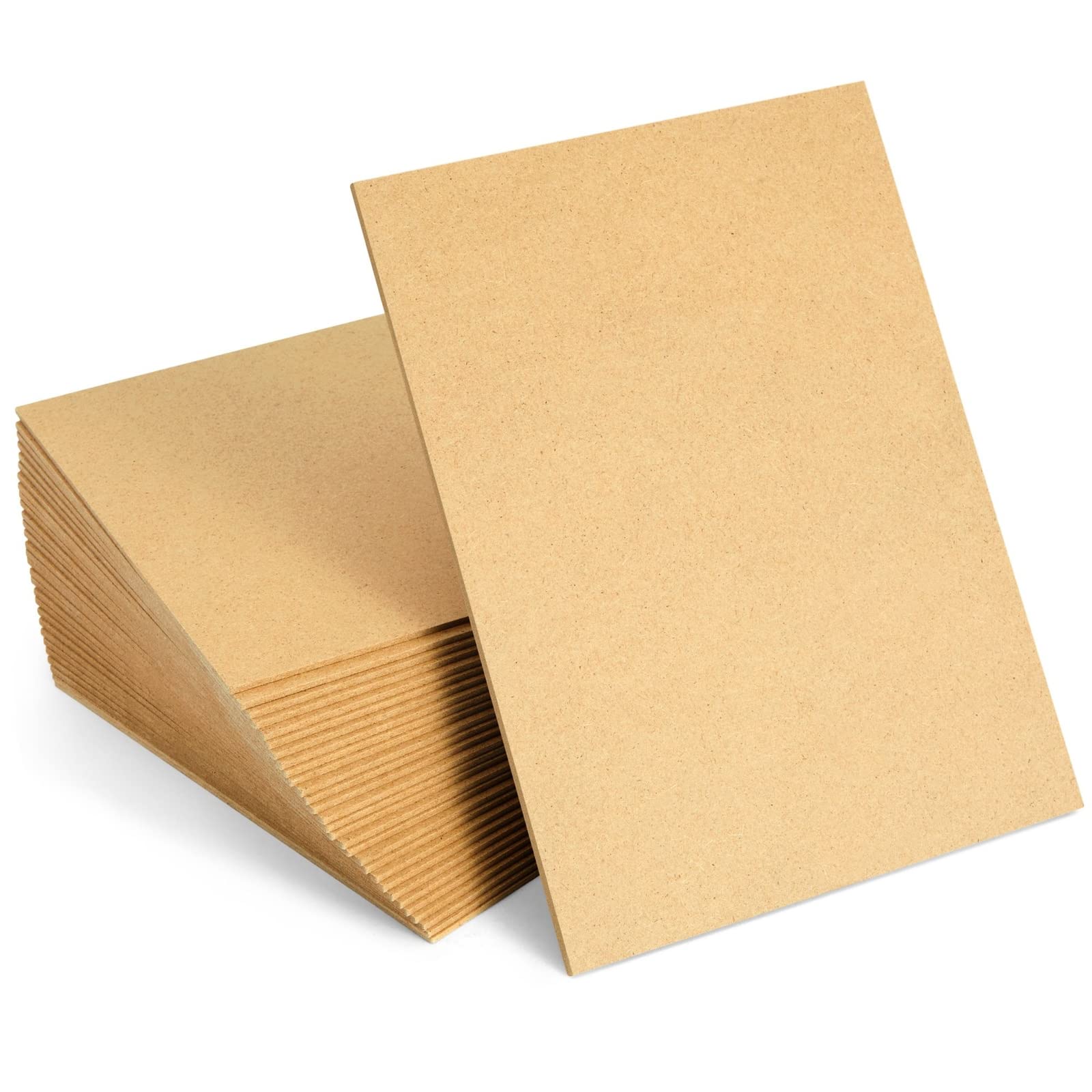
Color: Natural wood (light beige) or brown (moisture-resistant treated).
-
Surface: Calibrated (sanded ±0.15mm tolerance) or raw.
-
Moisture content: 6–9%.
-
-
Packaging Options: Industrial shrink-wrapped pallets (80–120 sheets/pallet depending on thickness); edge-protected; export-grade plywood crates upon request.
-
Shelf Life: 12 months in dry, ventilated warehouse (humidity 40–60%; temperature <35°C) – stacked flat on level surface.
3. Core Industrial Applications
-
Primary Industries: Flat-pack (RTA) furniture manufacturing, kitchen and bathroom cabinetry, door skin production, acoustic paneling, signage, and automotive interior components.
-
Specific Operational Use Cases:
-
CNC routing for intricate decorative panels (no edge chipping vs. plywood).
-
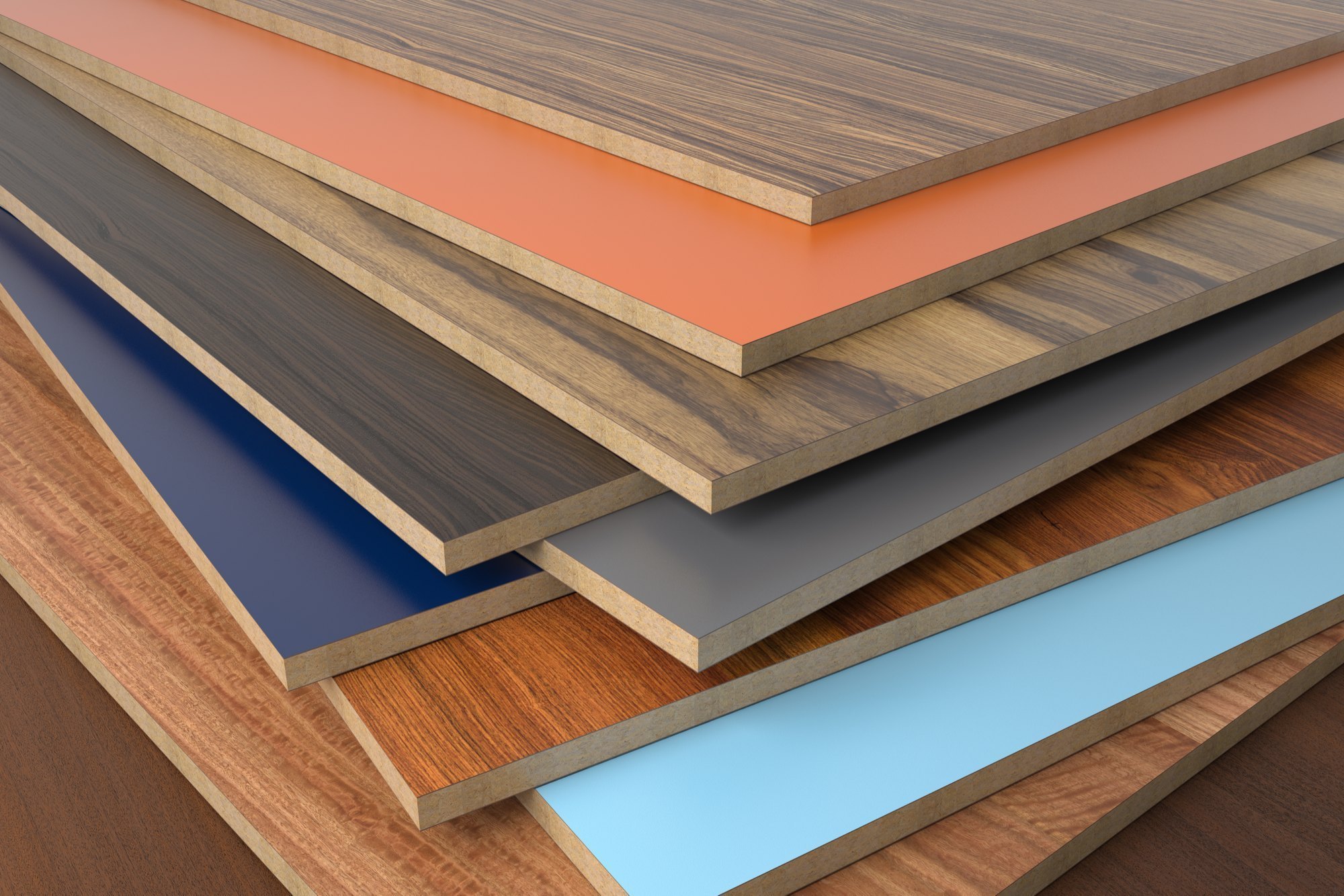
Lamination with HPL, PVC, veneer, or foil (zero telegraphy due to smooth surface).
-
Profile wrapping for curved furniture components.
-
Laser cutting for architectural models (minimal burn residue).
-
-
Performance vs. Alternatives: Outperforms particleboard in screw-holding strength (+35%) and impact resistance; outperforms solid wood in waste reduction (zero knot rejects) and processing speed (+40% tool life). Cost advantage: 20–30% lower total applied cost than lower-grade plywood.
4. Competitive Advantages
-
Quality Consistency: ISO 9001:2025-certified production with inline density scanning; thickness tolerance ≤±0.2mm across entire pallet – batch-to-batch identical.
-
Supply Reliability: 3 dedicated production lines; 50,000 MT monthly output; stock-keeping warehouses in Rotterdam, Houston, and Shanghai for 48-hour dispatch.
-
Logistics Capability: Dedicated bulk break-bulk and container loading protocols; door-to-door tracking via API integration.
-
Price Competitiveness: Direct mill pricing without trader markup; volume-based tiered discounts (20+ containers).
-
Sustainability: 95% recycled or FSC-certified virgin fiber (FSC C012345); formaldehyde resins meet EPA TSCA Title VI and EU CE standards; zero-waste production (fines reused as biomass fuel).
-
Technical Support: Full MSDS, technical datasheets, CNC feed/speed recommendations, and on-call application engineering for defect resolution.
5. Commercial & Supply Information
-
Minimum Order Quantity (MOQ): BULK 20MT (approximately 1 x 20FT container mixed thicknesses allowed).
-
Loading Capacity:
-
20FT Dry Container: 20–22 MT (depending on thickness stack optimization).
-
40FT High Cube: 24–26 MT (max payload limit).
-
Note: Pallet dimensions: 2,800mm x 1,250mm standard. Non-standard pallets by prior agreement.
-

Reviews
There are no reviews yet.