

Description
1. Product Overview
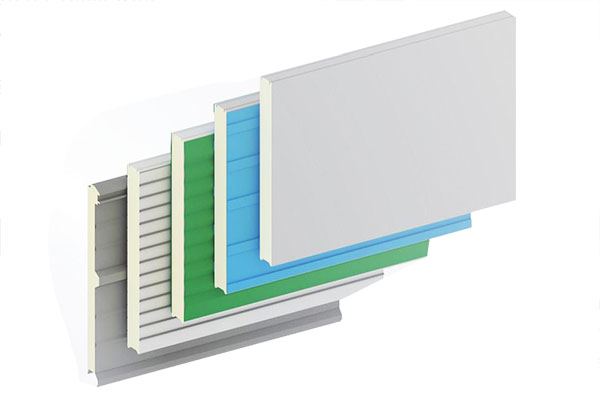
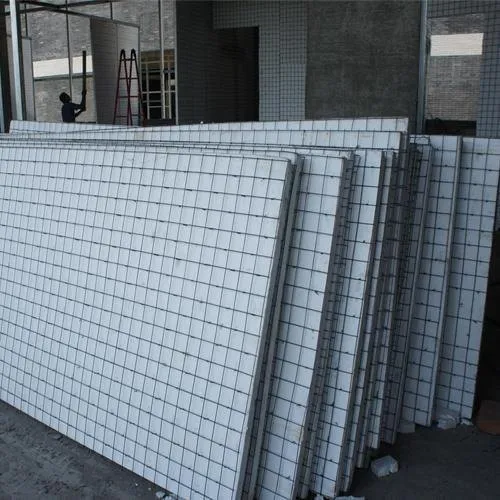
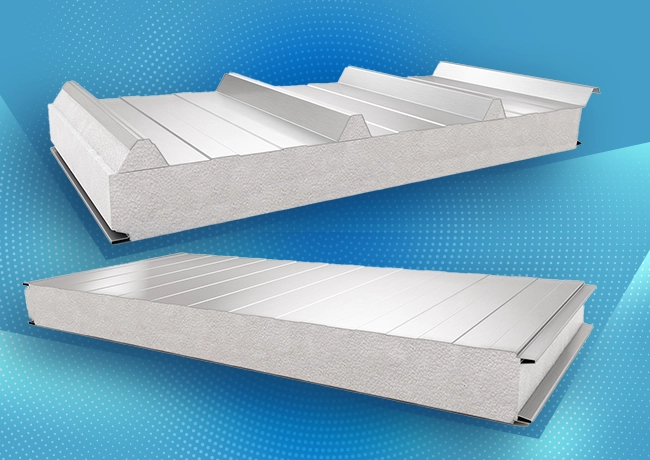
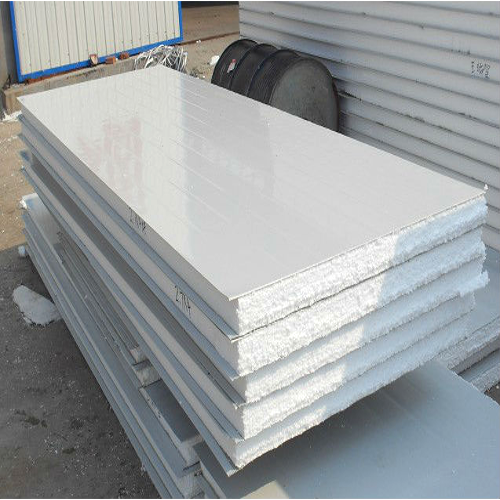
EPS Panels are high-performance composite building elements consisting of a lightweight expanded polystyrene (EPS) core rigidly bonded to two structural facings (typically galvanized steel, magnesium oxide, or fiber cement board). They are primarily used for wall, roof, and floor systems in prefabricated and modular construction. The key value proposition is an unparalleled combination of thermal efficiency, speed of installation, and structural integrity at a lower total installed cost than traditional masonry or timber framing. Strategically, EPS Panels are critical for global markets transitioning toward net-zero energy buildings and rapid disaster-resilient housing, offering a scalable solution to labor shortages and rising material costs.
2. Key Specifications & Technical Characteristics
-
Chemical Composition / Material Components:
-
Core: Virgin or recycled-grade EPS (Expanded Polystyrene) with flame-retardant additives (Class B1/B2 available).
-
Facings: Pre-coated galvanized steel (0.35–0.6 mm), MgO board, or cement fiberboard.
-
-
Purity / Grade:
-
EPS density: 8–30 kg/m³ (standard construction grade: 15–20 kg/m³).
-
Flame spread index: ≤25 (ASTM E84); Smoke developed index: ≤450.
-
-
Physical Characteristics:
-
Form: Rigid sandwich panel.
-
Color: White/grey core; facings: RAL color options.
-
Standard thicknesses: 50mm, 75mm, 100mm, 150mm, 200mm.
-
Width: 600mm–1200mm (customizable).
-
Length: Up to 12 meters (continuous production).
-
Density (composite): 10–25 kg/m² depending on skin and core.
-
-
Packaging Options:
-
Palletized stacks with PE shrink-wrap and edge protectors.
-
Bulk loose-loading for large volume orders (MOQ basis).
-
Corner cardboard + steel strapping for overseas container shipping.
-
-
Shelf Life / Storage:
-
12 months from production date in dry, covered, UV-protected storage (direct sunlight degrades EPS). No degradation if stored properly.
-
3. Core Industrial Applications
-
Primary Industries: Prefabricated building manufacturers, cold storage construction, emergency housing contractors, agricultural facilities (poultry sheds, warehouses), and commercial roofing systems.
-
Operational Use Cases:
-
Modular homes & offices: Load-bearing walls for 1–3 story structures.
-
Cold storage rooms: 100–200mm thick panels for -5°C to +10°C environments.
-
Cleanrooms & pharmaceutical labs: Non-shedding core + washable steel facings.
-
Temporary site offices / labor camps: Rapid assembly (30–40 m² per man-day).
-
-
Why Performs Better Than Alternatives:
-
vs. Concrete blocks: 80% lighter → reduced foundation cost + no curing time.
-
vs. Wood framing: No termite/rot risk; superior R-value (R3–R5 per inch).
-
vs. Standard insulation batts: No sagging, no thermal bridging, integrated structure.
-
-
Efficiency / Cost Advantages:
-
Installation speed: Up to 50 m² per hour per crew.
-
Energy savings: Reduces HVAC load by 40–55% over concrete/steel.
-
Waste: <3% on-site waste vs. 15–20% for traditional construction.
-
4. Competitive Advantages
-
Quality Consistency: ISO 9001 certified continuous lamination lines with real-time density and adhesion monitoring. Every batch includes factory test reports for flexural strength, shear bond, and fire resistance.
-
Supply Reliability: Dual manufacturing hubs (Asia / Middle East) enabling 24/7 production. Typical lead time: 14–21 days after PO confirmation. Buffer stock maintained for standard 100mm steel-faced panels.
-
Logistics Capability: In-house container loading plan ensuring zero panel warpage during 30+ day sea freight. Pre-shipment 3D loading diagrams provided.
-
Price Competitiveness: 12–18% lower landed cost vs. European and North American producers due to raw material integration (in-house EPS bead pre-expansion).
-
Sustainability: Core contains 30–50% post-industrial recycled EPS. Panels are 100% recyclable at end of life. Available EPD (Environmental Product Declaration) upon request.
-
Technical Support: Full DXF detail drawings, thermal/U-value calculation sheets, and on-site installation video library. Dedicated field engineer for orders >5,000 m².
5. Commercial & Supply Information
-
Minimum Order Quantity (MOQ): BULK 20MT (equivalent to approx. 1,000–1,500 m² of 50–100mm thick panels, depending on density).
-
Loading Capacity (MT per container):
-
20ft standard dry container: 16–18 MT max (subject to volumetric fill – typical: 12–15 MT for EPS panels due to lower density).
-
40ft high cube container: 22–24 MT max (recommended for bulk shipments; typical loading: 20 MT per 40HC when panels are nested/palleted efficiently).
-
Note: For pure volume-driven orders, panel thickness determines container count. Consult load planning sheet.
-

Reviews
There are no reviews yet.