
Description
1. Product Overview
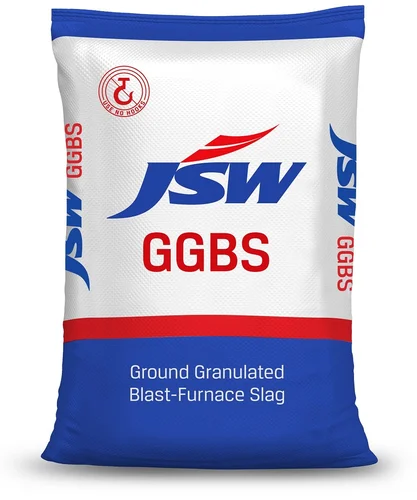
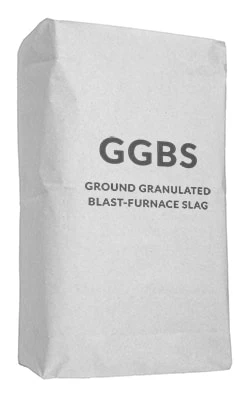
GGBS is a high-performance supplementary cementitious material (SCM) derived from rapid water quenching of molten iron blast furnace slag, subsequently dried and ground to a fine powder. It serves as a direct partial replacement for Portland cement in concrete production, delivering superior durability and a significantly lower carbon footprint. Strategically critical for global construction and infrastructure firms facing tightening emissions regulations, GGBS provides the highest value proposition where long-term structural integrity and sustainable sourcing are non-negotiable.
2. Key Specifications & Technical Characteristics
-
Chemical Composition: CaO 30–42%, SiO₂ 32–38%, Al₂O₃ 12–18%, MgO 5–10%; low free lime & low alkali content
-
Purity / Grade: Conforming to EN 15167-1 (Class A or B), ASTM C989 (Grade 80, 100, or 120), or BS 6699
-
Physical Form: Fine, non-metallic, off-white to light-grey powder
-
Particle Size (Blaine fineness): 350–500 m²/kg (typical Grade 100: ~420 m²/kg)
-
Bulk Density: 1.0–1.2 g/cm³ (loose); 1.4–1.6 g/cm³ (tapped)
-
Activity Index (7 days / 28 days): Grade 80 (≥55% / ≥75%), Grade 100 (≥65% / ≥95%), Grade 120 (≥75% / ≥115%)
-
Packaging Options: Bulk pneumatic tanker (25–35 MT), 1.5 MT jumbo big bags, 25 kg multi-wall paper sacks (heat-sealed liner optional)
-
Shelf Life: 12 months from production date when stored in dry, covered conditions; avoid moisture ingress
3. Core Industrial Applications
-
Primary industries: Ready-mix concrete, precast concrete, infrastructure (bridges/tunnels/dams), marine construction, mass concrete foundations
-
Operational use cases: Replace 30–70% of Portland cement. For sulfate attack resistance (up to 70% replacement); for low-heat mass pours (50–70%); for marine/coastal structures (50–65%)
-
Performance advantage vs. alternatives (fly ash, silica fume): GGBS delivers higher long-term compressive strength (28–90 day), lower permeability (reduces chloride ingress by 80%+), and superior resistance to alkali-silica reaction (ASR) and sulfate attack. Unlike fly ash, GGBS provides consistent chemistry and does not rely on coal plant operations—critical for supply chain resilience.
-
Efficiency gain: Reduces cement content by 40–60% → lower material cost per MPa; also reduces water demand and improves workability for given slump.
4. Competitive Advantages
-
Quality consistency: ISO 9001:2025 certified production with real-time particle size monitoring; lot-to-lot coefficient of variation <3% for activity index.
-
Supply reliability: Dedicated slag grinding plants located adjacent to major blast furnace sources; buffer stock holding >5,000 MT at origin ports.
-
Logistics capability: Bulk vessel loading up to 15,000 MT per shipment; bagged container loading within 72 hrs of order confirmation.
-
Price competitiveness: 30–45% lower cost per tonne than equivalent Grade 100 Portland cement, with long-term fixed-volume contracts available.
-
Sustainability benefit: Embodied carbon (cradle-to-gate) 35–50 kg CO₂/tonne vs. OPC at 830–900 kg CO₂/tonne — directly supports EPD and LEED v5 / BREEAM targets.
-
Technical support: Full mill certificates, XRF analysis per batch, mix design advisory, and on-call materials engineering support via global portal.
5. Commercial & Supply Information
-
Minimum Order Quantity (MOQ): BULK 20 MT (one flexitank or pneumatic self-discharge truck)
-
Loading capacity (MT per container):
-
20’ GP dry container: 25 MT (jumbo bags or palletized 25 kg sacks)
-
40’ HC dry container: 28 MT (jumbo bags only; max weight limit per IMO/port)
-
Bulk vessel: 5,000–15,000 MT per hold
-
-
Incoterms offered: FOB, CFR, CIF (major global ports)
Reviews
There are no reviews yet.