
Description
1. Product Overview
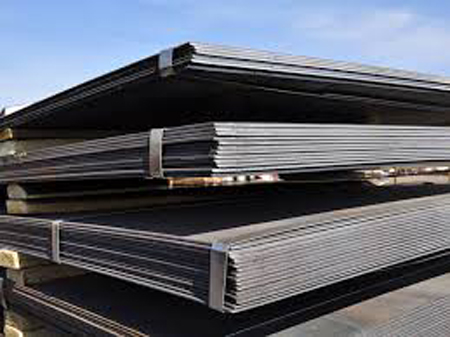
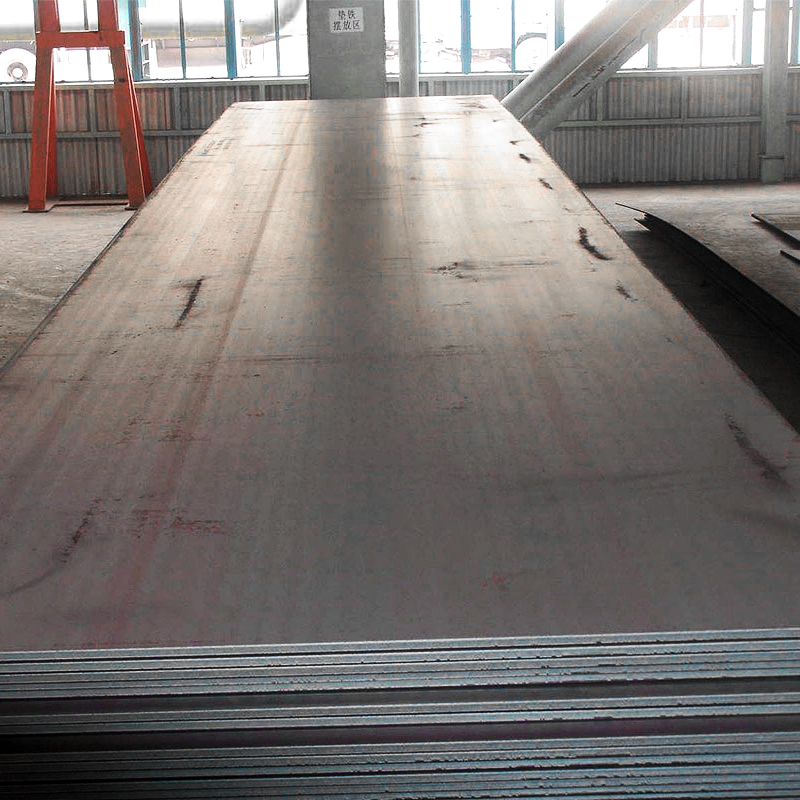
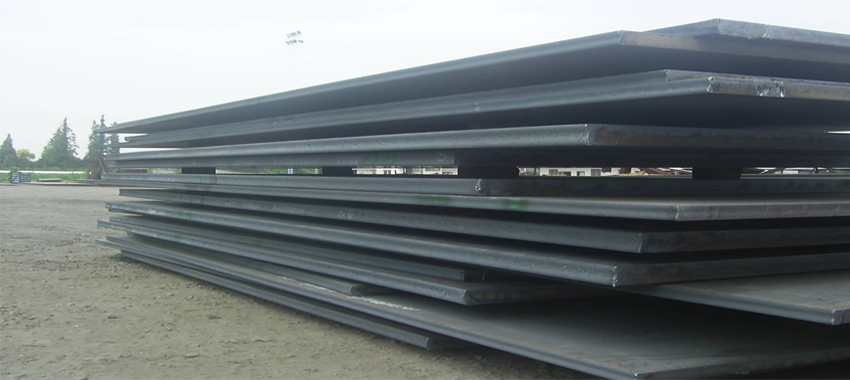
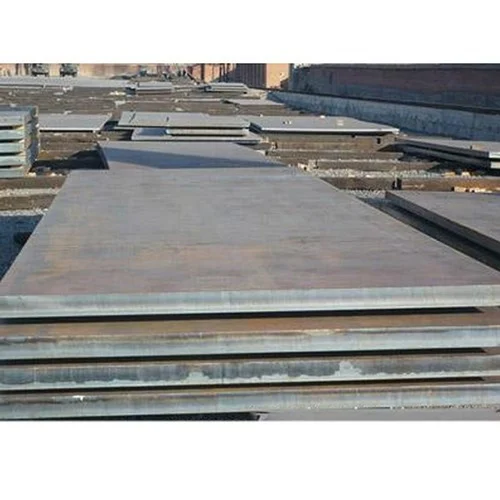
Shipbuilding Plates are high-strength, notch-tough steel panels engineered specifically for hull construction, offshore structures, and marine vessels. Their primary industrial use lies in fabrication of ship hulls, decks, bulkheads, and keels, where structural integrity under extreme hydrostatic and dynamic loads is non-negotiable. The key value proposition is a superior strength-to-weight ratio combined with certified weldability and impact resistance at sub-zero temperatures. Strategically, these plates are critical to maritime supply chains, directly influencing vessel safety, classification society compliance, and lifecycle cost efficiency in global shipping.
2. Key Specifications & Technical Characteristics
-
Chemical Composition (Typical, per ASTM A131 / Grade AH36): Carbon ≤0.18%, Silicon 0.15–0.50%, Manganese 0.90–1.60%, Phosphorus ≤0.035%, Sulfur ≤0.035%, Niobium/Vanadium micro-alloying for grain refinement.
-
Purity / Grade Levels: Fully killed, fine-grain practice. Grades: A, B, D, E, AH32, AH36, DH32, DH36, EH36 (with Charpy V-notch impact values 27–34J at 0°C to -40°C).
-
Physical Characteristics: Flat-rolled plates; thickness 5mm to 150mm, width up to 4,500mm, length up to 24,000mm. Dark grey mill scale surface; normalized, thermo-mechanical controlled processed (TMCP), or as-rolled options.
-
Packaging: Export-grade seaworthy packing: steel strapped bundles on rust-preventive coated pallets, interleaved with moisture-barrier paper + wood frame or fumigated crate for high-value grades.
-
Shelf Life: Indefinite in dry, covered storage (≤50% RH). Maximum 6 months outdoor storage with protective coating reapplication recommended.
3. Core Industrial Applications
-
Primary Industries: Commercial shipbuilding, naval defense, offshore oil & gas, LNG carrier fabrication, and heavy marine engineering.
-
Specific Operational Use Cases: Outer hull plates (high wave-impact zones), internal bulkheads (fire/blast resistance), deck structures (heavy cargo load cycles), and rudder/stabilizer assemblies (fatigue resistance).
-
Why Performs Better than Alternatives: Compared to standard structural steel, Shipbuilding Plates offer guaranteed low-temperature impact toughness (reducing brittle fracture risk) and exceptional weldability (lower preheat requirements, fewer hydrogen-induced cracks). Durability advantage: corrosion allowance optimized for seawater immersion, extending dry-docking intervals by 15–20%. Cost advantage: reduced rework rate (≤1.2% vs. 3.5% for non-marine grades) from better flatness and dimensional consistency.
4. Competitive Advantages
-
Quality Consistency: ISO 9001:2025 certified mills; 100% ultrasonic testing (UT) per Class NK, ABS, DNV, LR, BV standards; lot traceability to heat number.
-
Supply Reliability: 50,000 MT safety stock in three strategic portside warehouses (Rotterdam, Singapore, Houston); lead time 3–5 weeks for custom dimensions.
-
Logistics Capability: Dedicated flatbed and breakbulk shipping network; real-time cargo tracking; demurrage risk management included.
-
Price Competitiveness: Indexed pricing (Platts + fixed premium) with volume-based rebates from 5,000 MT/year; lower total landed cost vs. European or Japanese mills by 8–12%.
-
Sustainability: Available with 40% recycled content; EPD certified; low-carbon option (≤0.8 t CO2 per tonne) via green hydrogen-DRI route.
-
Technical Support: Free DNV-approved welding procedure qualification (WPQ) files; 24/7 metallurgical engineering hotline; NDT documentation package with every shipment.
5. Commercial & Supply Information
-
Minimum Order Quantity (MOQ): BULK 20MT (single grade and thickness, mixed dimensions allowed)
-
Loading Capacity: 25 MT per 20′ dry container (standard stacking); 28 MT per 40′ flat rack; Breakbulk: up to 1,500 MT per vessel hold
Reviews
There are no reviews yet.