
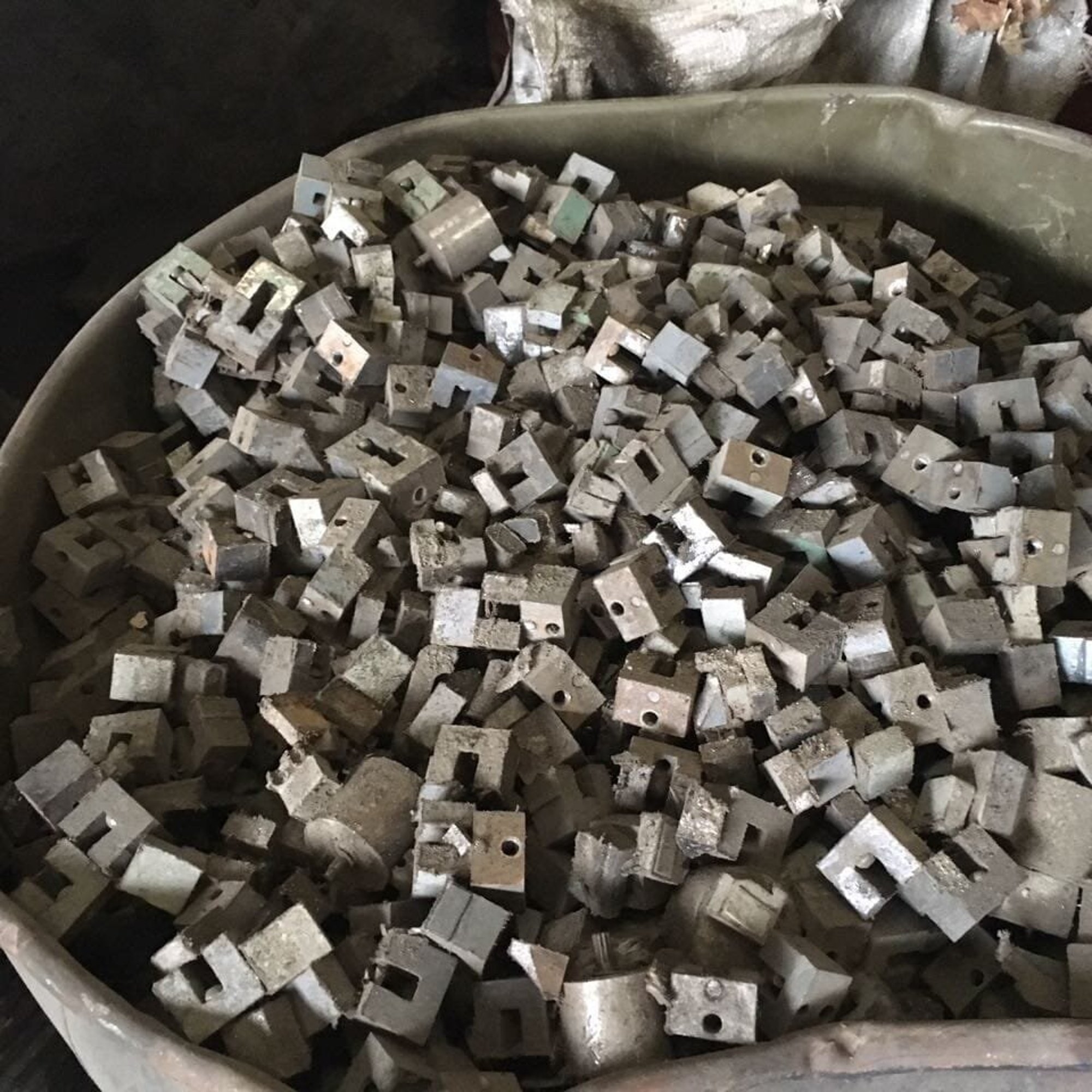
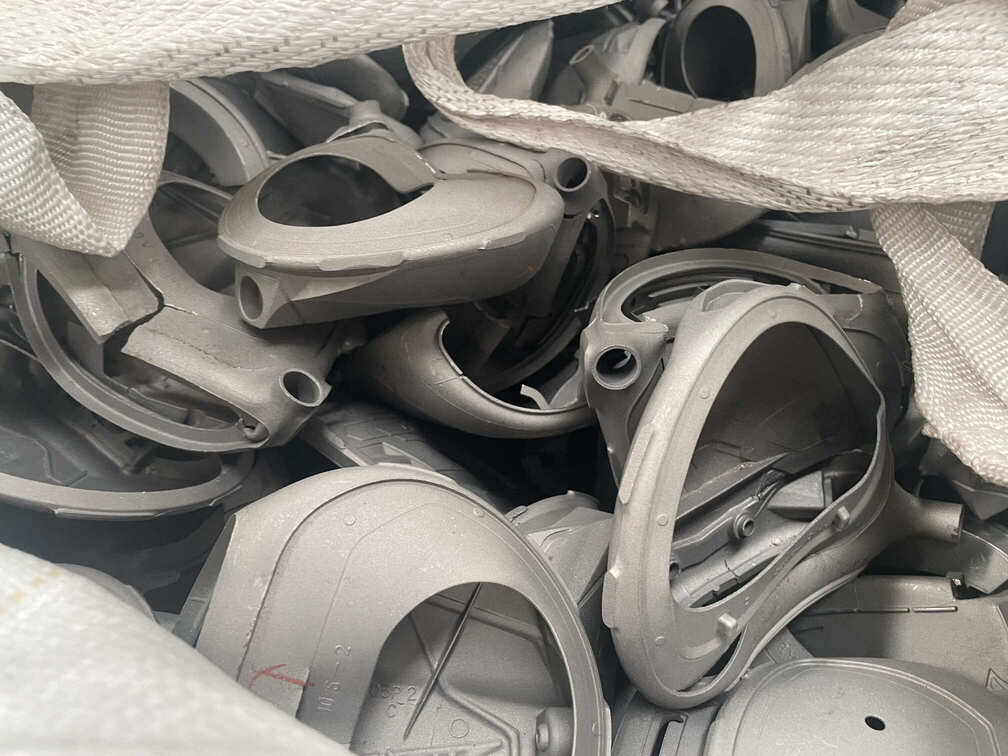
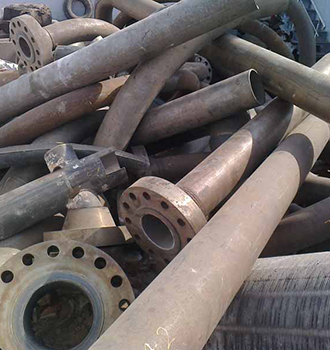
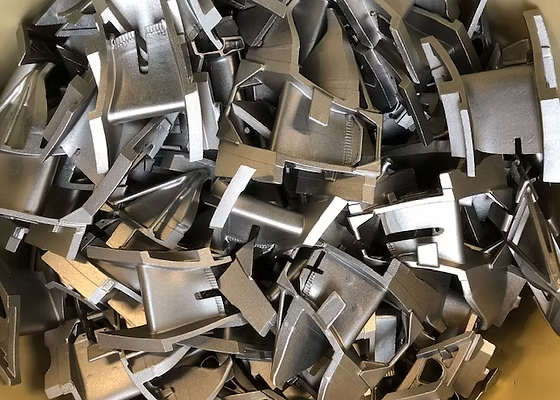
Description
1. Product Overview
Superalloy Scrap represents a high-value secondary raw material derived from aerospace, power generation, and petrochemical manufacturing waste streams, including turnings, solids, and reclaimed sputter targets. Its primary industrial use is the remelting and recasting of nickel-based, cobalt-based, and iron-based superalloys (e.g., Inconel, Hastelloy, Waspaloy) into new precision components. The key value proposition is enabling OEMs and foundries to reduce raw material costs by 30–50% versus virgin ingot, while securing critical alloying elements like nickel, chromium, and molybdenum. Strategically, it is vital for global supply chain resilience, circular economy mandates, and mitigating price volatility in virgin specialty metals.
2. Key Specifications & Technical Characteristics
-
Chemical Composition: Certified Ni, Co, Cr, Mo, W, Ti, Al ranges per grade; low residuals (Cu, Zn, Sn, Pb) <0.05% each
-
Purity / Grade: Cleaned, declassified scrap from certified heats; typical grades: 625, 718, X-750, C-263, R-41, Haynes 25, L-605
-
Physical Characteristics:
-
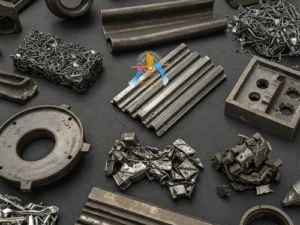
Form: Mixed solids (bar ends, plate cutoffs, forging flash) + clean turnings (≤150 mm length)
-
Color: Metallic grey / oxidized surface (no heavy rust or slag)
-
Bulk density: Solids 4.5–6.0 g/cc; turnings 1.2–2.0 g/cc
-
-
Packaging Options: 1 MT steel drums (turnings), 500 kg poly-lined supersacks (solids), or loose container-packed on pallets
-
Shelf Life: Indefinite if stored dry and segregated from reactive metals (e.g., aluminum, titanium fines)
3. Core Industrial Applications
-
Aerospace turbine & airframe manufacturing: Remelted into jet engine disks, blades, and structural rings – outperforms virgin scrap via lower carbon footprint and identical final mechanical properties after vacuum induction melting (VIM).
-
Industrial gas turbine (IGT) repair shops: Used as feedstock for hot-section component recasting; offers 20% faster melting due to pre-alloyed chemistry, reducing energy consumption per batch.
-
Chemical process & nuclear valves: Recycled into corrosion-resistant pumps and reactor internals; cost advantage of 40% versus prime material with no sacrifice in pitting resistance equivalent number (PREN).
-
Additive manufacturing powder producers: Clean solids are atomized into Ni-superalloy powder for laser powder bed fusion – preferred because they eliminate re-melting of primary nickel, lowering pre-alloying steps and trace oxide formation.
4. Competitive Advantages
-
Quality consistency: Laser-induced breakdown spectroscopy (LIBS) and XRF sorting per batch; traceability to original mill test reports (MTRs) where available.
-
Supply reliability: 5,000+ MT annual throughput from decommissioned engines, factory surplus, and certified recyclers; ISO 9001:2015 and AS9120B chain of custody.
-
Logistics capability: Global consolidation hubs (North America, EU, Asia) enabling 15-day lead time to major foundries; containerized shipping with customs-ready hazardous waste exemption documentation.
-
Price competitiveness: Priced at LME nickel minus fixed alloy premium (daily quotation); volume discounts further reduce cost vs. virgin by 35–55%.
-
Sustainability: Each MT of superalloy scrap avoids 8–12 MT CO₂e versus primary refining; supports Scope 3 emissions reduction for downstream manufacturers.
-
Technical support: Metallurgical engineering team provides grade verification, blending advice for remelt recipes, and on-site sorting audits.
5. Commercial & Supply Information
-
Minimum Order Quantity (MOQ): BULK 20 metric tons (20 MT) per grade family
-
Loading capacity per container:
-
20 ft dry container: 22–24 MT (solids, packed)
-
*40 ft high-cube:* 26–28 MT (turnings in drums, palletized)
-
Reviews
There are no reviews yet.