

Description
1. Product Overview
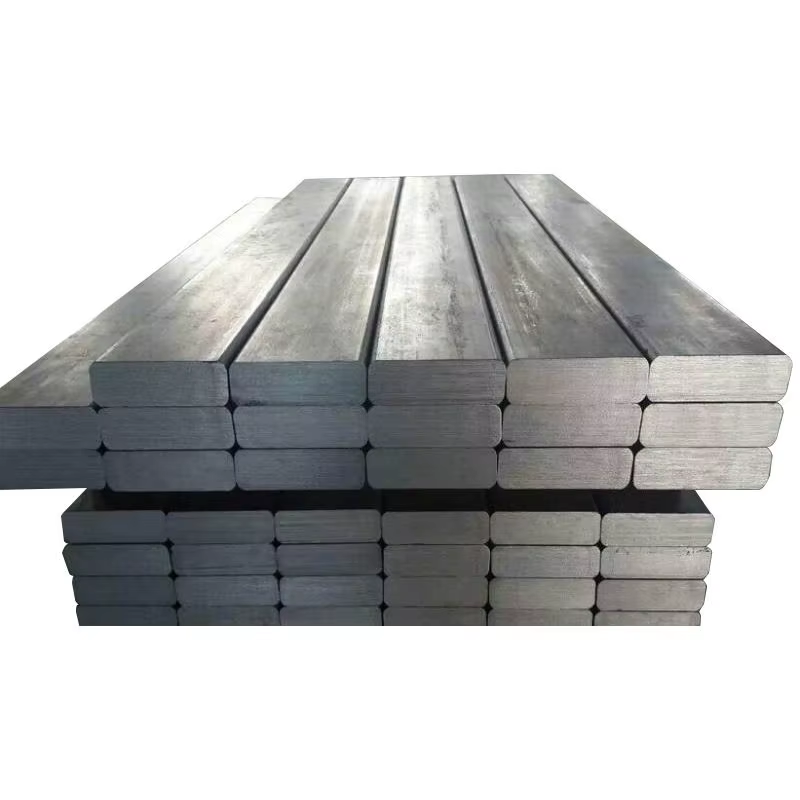
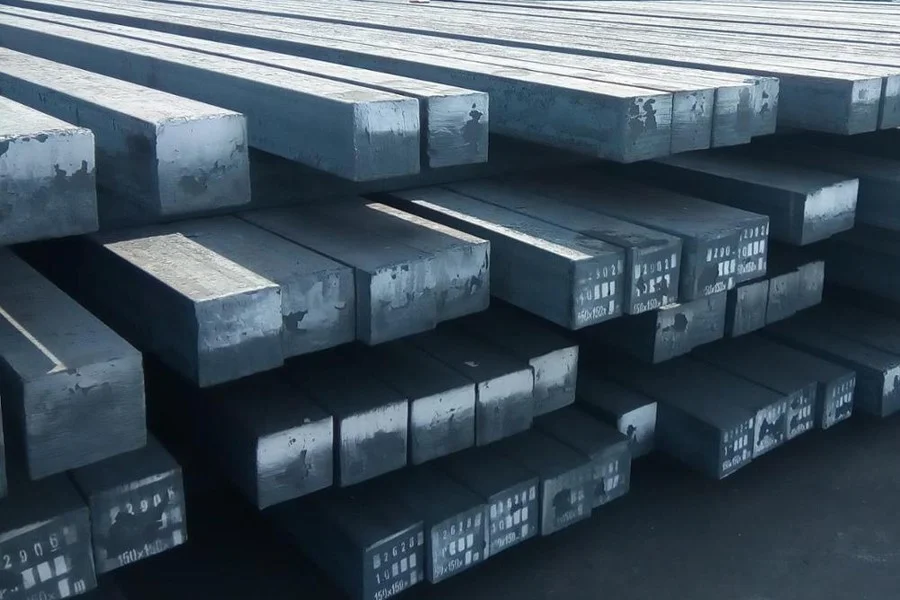
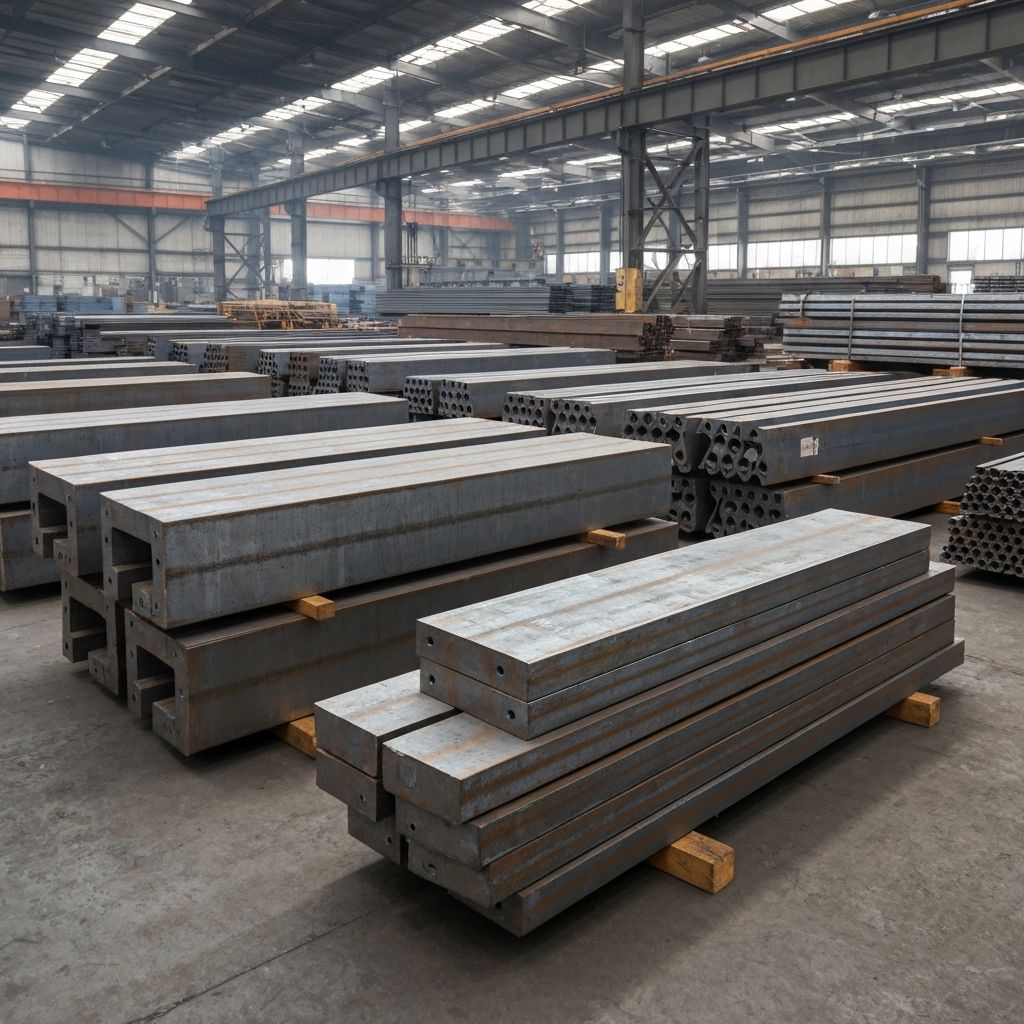
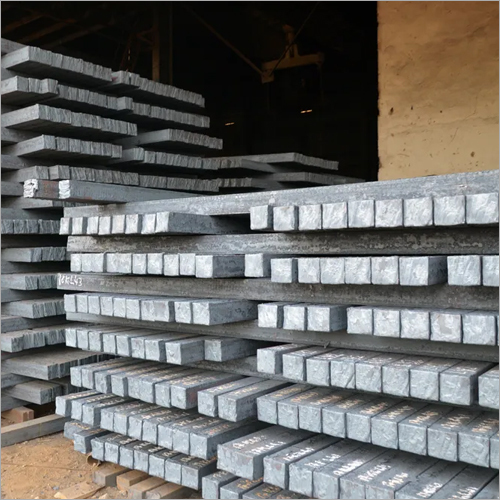
These semi-finished steel products—billets, blooms, and slabs—are the foundational inputs for long and flat rolled steel manufacturing, serving industries from construction to heavy engineering. Produced via continuous casting with strict thermal and metallurgical control, they enable downstream rolling, forging, and rebar production with minimal yield loss. Their strategic value lies in bridging raw steel production and high-value finished goods, offering buyers a reliable, specification-grade feedstock that optimizes conversion cost and final product integrity.
2. Key Specifications & Technical Characteristics
-
Chemical Composition (typical, per ASTM / EN / JIS standards):
-
Carbon (C): 0.06–0.25% (low/medium carbon grades)
-
Manganese (Mn): 0.30–0.80%
-
Phosphorus (P): ≤ 0.035%
-
Sulfur (S): ≤ 0.035%
-
Silicon (Si): 0.10–0.30%
-
Residual elements (Cu, Cr, Ni): ≤ 0.30% total
-
-
Grades Available: 3SP/5SP (billets), S235JR / S355JR (blooms), SAE 1006–1026 (slabs)
-
Purity / Internal Quality: Ultrasonic-tested (ASTM A578) for centerline segregation, porosity, and cracks; inclusion rating ≤ 2.0 per ASTM E45
-
Physical Form & Dimensions:
-
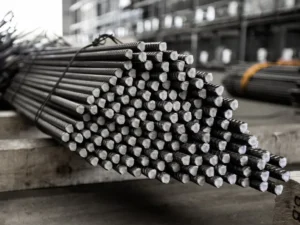
Billets: 100x100mm to 160x160mm, length 6–12m
-
Blooms: 200x250mm to 400x600mm, length 4–10m
-
Slabs: 150–250mm thickness, 600–1,600mm width, length 5–12m
-
-
Surface Condition: Descaled, visible defect removal via scarfing; chamfered corners on request
-
Packaging: Steel strapped bundles (2–5 MT per bundle) or loose stacked in open-top containers; edge protectors for slabs
-
Shelf Life: Indefinite under dry, covered storage (surface oxidation acceptable per ASTM A802)
3. Core Industrial Applications
-
Construction & Infrastructure (billets):
Rebar, wire rod, light structural sections. Our billets deliver ≤1.5% scale loss during reheating, reducing yield loss compared to lower-grade feeds. -
Railway & Heavy Engineering (blooms):
Rails, seamless tubes, large forgings (crankshafts, gears). Uniform thermal history minimizes internal cracks, enabling higher fatigue life in finished components. -
Shipbuilding & Pipe Mills (slabs):
Hot-rolled coil, heavy plate, API 5L pipe. Controlled sulfur and phosphorus levels improve weldability and impact toughness at sub-zero temperatures. -
Automotive (high-grade slabs):
Exposed and unexposed body panels. Consistent decarburization depth (<0.3mm) ensures predictable stamping behavior and paint adhesion.
Why better than alternatives: Tight compositional banding reduces in-house alloying adjustments, lowering melt shop costs by 4–7% per tonne.
4. Competitive Advantages
-
Quality consistency: ISO 9001:2025 certified mills; every heat tracked via ladle analysis + inline electromagnetic stirring. Statistical process control (SPC) data included with each batch.
-
Supply reliability: Dedicated monthly allocation of 50,000+ MT from primary integrated mills (not re-rollers). Lead time 14–21 days ex‑mill, with buffer inventory at three transshipment hubs.
-
Logistics capability: Direct loading to bulk carriers, barges, or rail; weight-bridged and dimensionally verified before dispatch. Demurrage risk <2%.
-
Price competitiveness: Formula-based pricing (index + premium) with fixed quarterly contracts available. Hedging options for long-term buyers.
-
Sustainability: Average 420 kg CO₂ per tonne (EAF + DRI route), with verified Scope 1/2 data. Offtakers can apply toward Scope 3 reduction targets.
-
Technical support: Metallurgical advisory for reheating schedules, rolling passes, and defect analysis via remote inspection or on-site audit.
5. Commercial & Supply Information
-
Minimum Order Quantity (MOQ): 20 MT per grade / size
-
Loading capacity per 20ft container:
-
Billets: ~22–24 MT (depending on length)
-
Blooms: ~20–22 MT
-
Slabs: ~18–21 MT (width-dependent)
-
-
Incoterms offered: FOB, CFR, CIF (major global ports)
-
Payment terms: LC at sight or 30% advance + 70% against shipping documents (subject to credit approval)
Reviews
There are no reviews yet.