
Description
1. Product Overview
Direct Reduced Iron (DRI) and Hot Briquetted Iron (HBI) are high-purity, solid-state reduced iron products manufactured through the direct reduction of iron ore, bypassing traditional blast furnace smelting. They serve as premium virgin iron units for electric arc furnace (EAF) steelmaking, enabling producers to dilute residual elements from scrap while increasing yield and productivity. Strategically critical amid tightening scrap quality and decarbonization mandates, DRI/HBI offers a lower-slag, lower-CO₂ pathway to high-grade steel, directly supporting global net-zero roadmaps.
2. Key Specifications & Technical Characteristics
-
Chemical Composition (Typical):
-
Total Iron (Fe): 90–94%
-
Metallization: 92–96%
-
Carbon (C): 1.0–2.5%
-
Gangue (SiO₂ + Al₂O₃ + CaO + MgO): 2–5%
-
Sulfur (S): ≤0.008%
-
Phosphorus (P): ≤0.010%
-
-
Physical Characteristics:
-
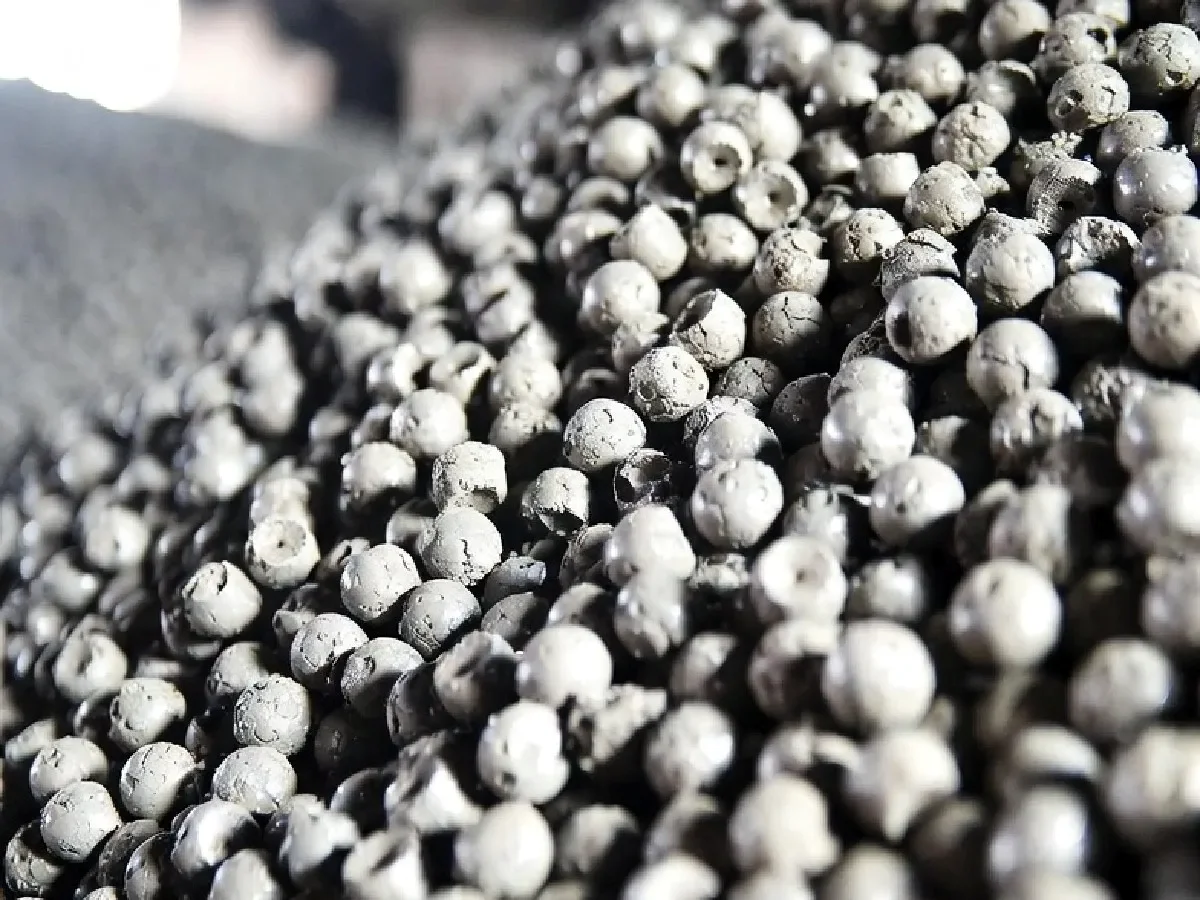
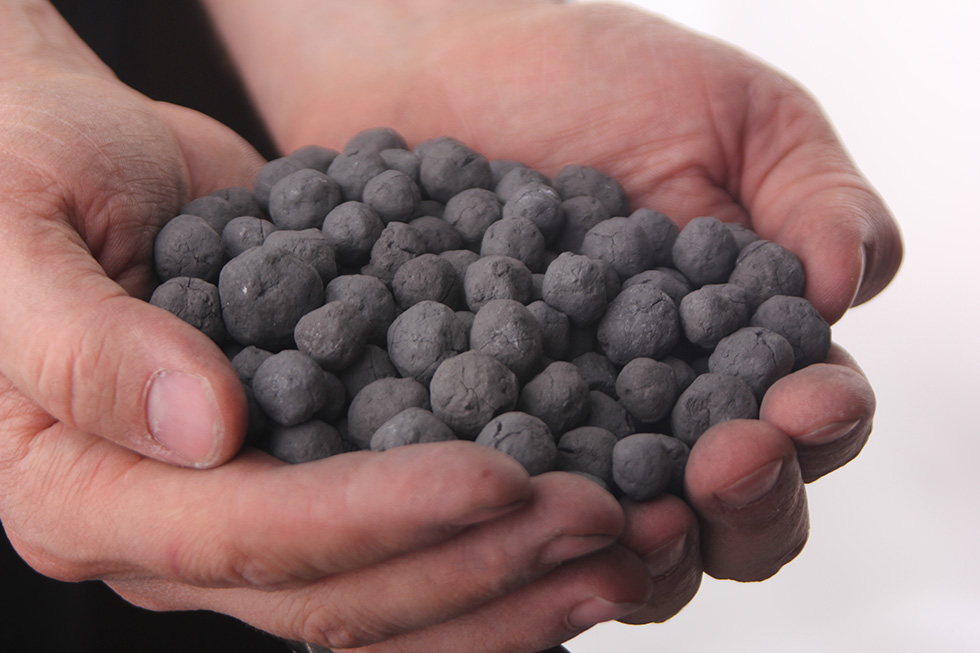
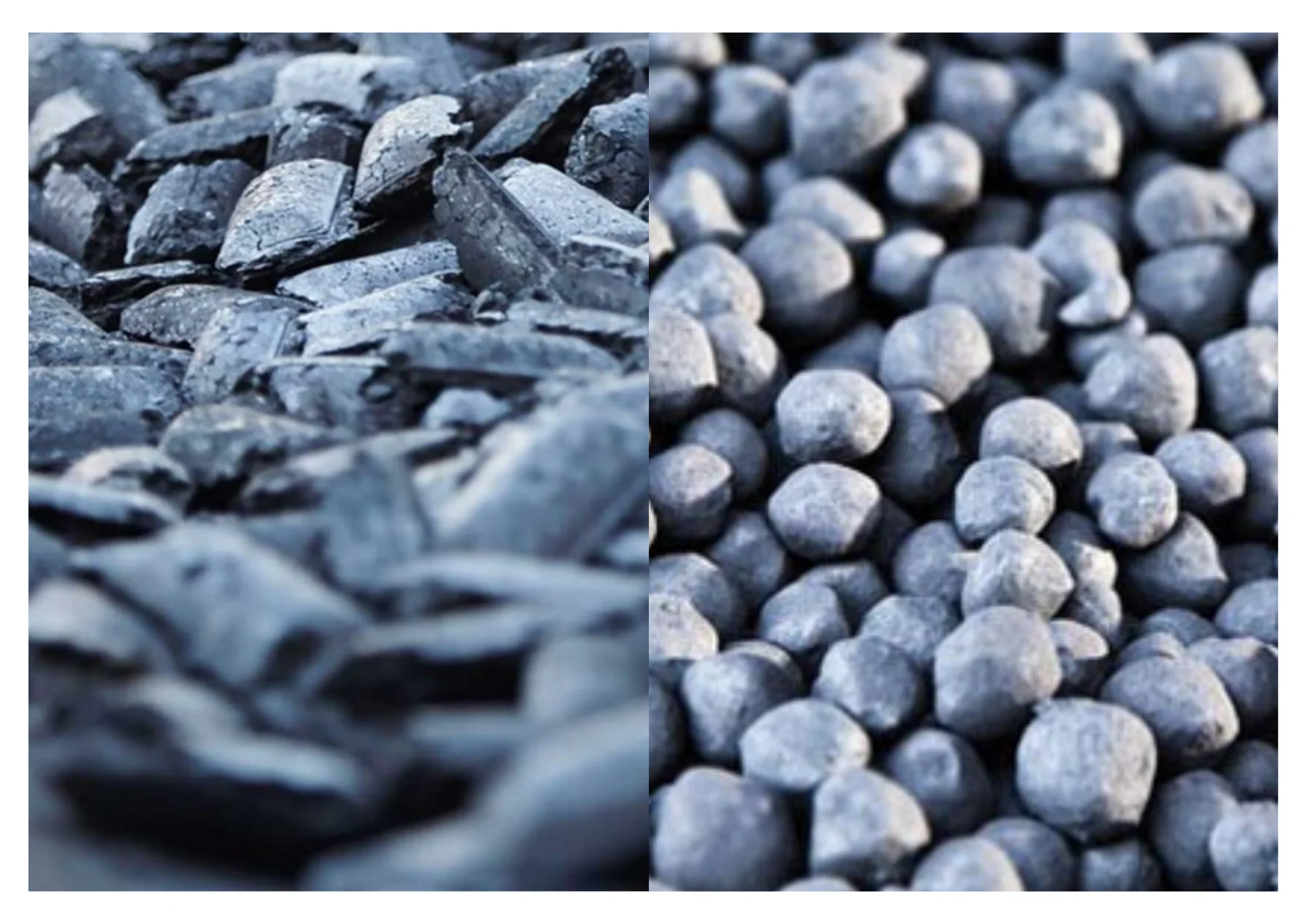
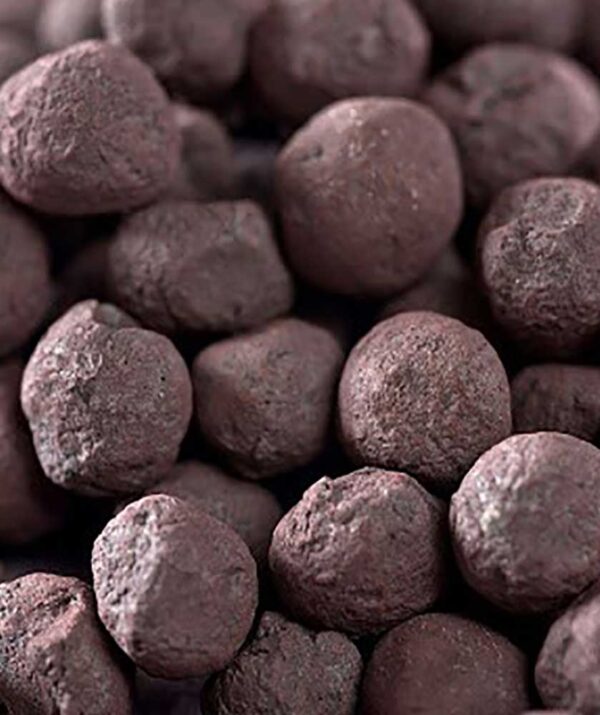
DRI: Lumpy / porous pellets, 5–20 mm, bulk density ~1.6–2.0 t/m³
-
HBI: Briquetted pillow-shape form, 20–50 mm, bulk density ~2.4–2.8 t/m³ (lower reoxidation risk)
-
Color: Metallic dark grey to black
-
-
Packaging Options:
-
HBI: Shrink-wrapped bundles (1–2 MT) or 1.5 MT steel-strapped units
-
DRI: Hermetically sealed big bags (1–3 MT) or weather-protected vessel holds
-
Atmospheric-controlled containers for long-haul shipment
-
-
Shelf Life:
-
HBI: 6–12 months under standard covered storage
-
DRI: 2–4 months (requires inert or sealed storage to prevent reoxidation)
-
3. Core Industrial Applications
-
Primary Industries: Electric arc furnace (EAF) steelmakers, specialty alloy producers, foundries, and direct strip casting plants
-
Specific Use Cases:
-
EAF charge optimization: Replace 20–50% of prime scrap to stabilize chemistry and increase steel yield by 3–5%
-
Dilution of residual elements (Cu, Sn, Cr, Ni): Essential for automotive flat steel, tinplate, and high-strength low-alloy (HSLA) grades
-
Continuous charging via DRI port: Improves energy efficiency and reduces tap-to-tap time by up to 15%
-
HBI as a safe, transportable buffer: Ideal for coastal or inland EAFs without on-site DRI production
-
-
Performance vs. Alternatives:
-
Versus premium scrap: Lower variability, predictable carbon and gangue content, no risk of radioactive or pyrophoric materials
-
Versus pig iron: Higher metallic yield, lower melting energy, significantly lower CO₂ per ton of liquid steel
-
4. Competitive Advantages
-
Quality consistency: ISO 11323 certified; each lot tested for metallization, Fe total, and gangue; SPC-monitored production lines
-
Supply reliability: Long-term off-take agreements with tier-1 iron ore miners; multiple production hubs (MENA, Latin America, Russia/CIS)
-
Logistics capability: Dedicated vessel fleet with inert gas systems; port-side warehouses for 45-day rolling inventory
-
Price competitiveness: Indexed to MB/DRI premium + freight; volume-based incentives reduce landed cost by 5–12% vs spot buyers
-
Environmental benefits: Enables 40–60% CO₂ reduction versus blast furnace/basic oxygen furnace route; eligible for green steel certification (e.g., ResponsibleSteel™)
-
Technical support: Full metallurgical advisory – charge mix modeling, handling safety protocols, and on-site EAF trial supervision
5. Commercial & Supply Information
-
Minimum Order Quantity (MOQ):
-
Bulk DRI: 20 metric tons (MT) (big bags)
-
HBI bulk: 500 MT (break-bulk vessel) / 20 MT (containerized)
-
-
Loading Capacity per Container:
-
20-ft dry container: 20 MT (HBI, shrink-wrapped)
-
40-ft open-top container: 25 MT (DRI hermetic bags)
-
Reviews
There are no reviews yet.