
Description
1. Product Overview
Pig Iron is a high-carbon, semi-finished ferrous product derived from smelting iron ore in a blast furnace, serving as the essential raw material for both premium foundry castings and basic oxygen steelmaking (BOS). Its primary industrial use is to dilute impurities in scrap-based melting and precisely control carbon content, enabling superior metallurgical properties in end products. The key value proposition is its unmatched consistency in chemistry and density, which delivers stable melt behavior, reduced energy consumption, and lower overall alloying costs. Strategically, securing a reliable supply of grade-appropriate pig iron mitigates price volatility in ferrous scrap markets and ensures operational continuity for global steel and castings producers.
2. Key Specifications & Technical Characteristics
-
Chemical Composition (Typical, Foundry Grade):
-
Carbon (C): 3.8% – 4.2%
-
Silicon (Si): 1.5% – 3.0% (adjustable for foundry vs. basic steel grade)
-
Manganese (Mn): ≤ 0.6%
-
Phosphorus (P): ≤ 0.08% (low-phosphorus available ≤0.04%)
-
Sulfur (S): ≤ 0.03%
-
-
Purity / Grade Classification:
-
Foundry Grade (low Ti, low S) – ASTM A43 Grade 2 or equivalent
-
Basic Steel Grade (high Mn, low Si) – Suitable for BOS/EAF
-
-
Physical Characteristics:
-
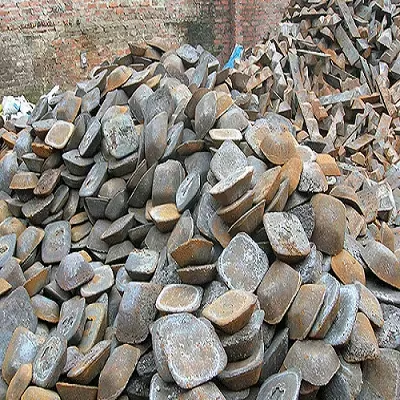
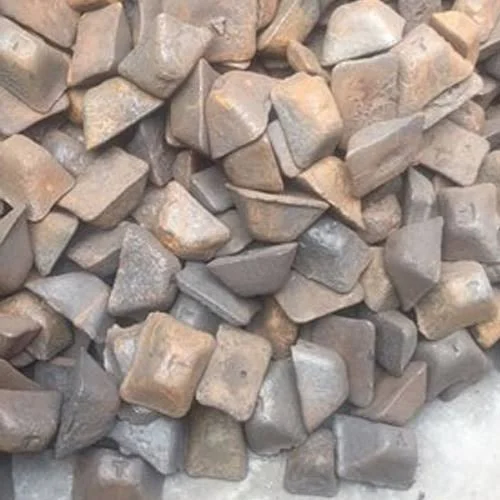
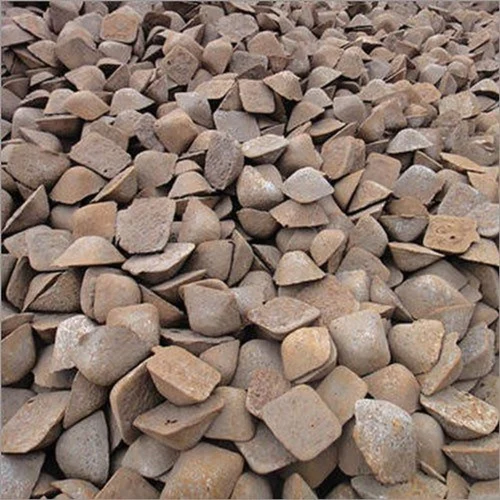
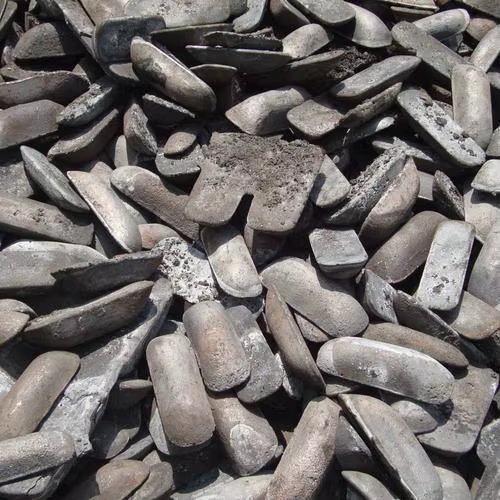
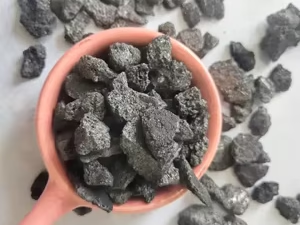
Form: Irregular wedge-shaped ingots (2–8 kg per pig)
-
Color: Silver-gray metallic with characteristic chill lines
-
Bulk density: 6.8 – 7.2 g/cm³
-
Lump size: 90% between 50mm – 150mm (custom crushing available)
-
-
Packaging Options:
-
Loose bulk in open-top containers
-
1.5MT steel strapped bundles on pallets (for foundry just-in-time use)
-
Anti-corrosion oil coating (optional for long-term storage)
-
-
Shelf Life: Indefinite when stored dry, away from acid/alkali. Surface oxidation within 6 months in humid conditions does not affect melt yield.
3. Core Industrial Applications
-
Primary Industries:
-
Ductile & gray iron foundries (automotive, pipe, machinery)
-
Basic oxygen steelmaking (integrated steel mills)
-
Electric arc furnace (EAF) steel shops using scrap blends
-
-
Specific Operational Use Cases:
-
Foundry: Charged to cupola or induction furnaces to raise carbon and control silicon in engine blocks, brake rotors, and manhole covers.
-
Basic steelmaking: Added to BOS converter as coolant and carbon source when scrap ratio exceeds 25%, reducing need for synthetic carbon.
-
EAF mills: Blended with low-carbon scrap to produce high-grade rebar, wire rod, or plate.
-
-
Why Performs Better Than Alternatives (e.g., scrap + carburizer):
-
Dissolves faster and more uniformly than synthetic carbon additives – reduces melt time by 8–12%.
-
Consistent density eliminates “floating carburizer” loss, improving carbon yield to >90% vs. 65–75% for graphite powder.
-
Lower residual copper, tin, and chromium vs. mixed scrap – critical for ductile iron certification.
-
Cost advantage: In high-scrap-price markets, pig iron often delivers lowest cost per unit of metallurgical carbon.
-
4. Competitive Advantages
-
Quality Consistency: Statistical process control (SPC) on each 100MT cast; certificate of analysis (COA) with every lot; repeatable chemistry ±0.1% C, ±0.15% Si.
-
Supply Reliability: Direct from integrated blast furnaces with dedicated buffer stock in Rotterdam, Houston, and Shanghai – 99.3% on-time delivery over 24 months.
-
Logistics Capability: In-house freight desk for breakbulk, 20’/40’ containers, and handymax vessels. Port-to-door tracking API available.
-
Price Competitiveness: Monthly fixed-price tenders or index-linked (CRU, MB) with volume rebates above 5,000MT/year.
-
Sustainability: Available with certified low-CO₂ hot-briquetted iron (HBI) replacement option. 45% recycled raw material content in certain grades.
-
Technical Support: Free melt modeling and charge optimization review provided by in-house metallurgists prior to first order.
5. Commercial & Supply Information
-
Minimum Order Quantity (MOQ): 20 MT (one loose bulk truckload or bundled lot)
-
Loading Capacity per 20’ Standard Container: 25 MT (bundled, max gross weight)
-
Loading Capacity per 40’ Open-Top Container: 28 MT (loose bulk, net product)
-
Lead time (ex-works): 14 days for available grades
-
Incoterms offered: EXW, FOB, CFR, CIF (subject to trade credit approval)
-
Payment terms: LC at sight or 30% TT advance + 70% against BL copy for qualified buyers
Reviews
There are no reviews yet.