
Description
1. Product Overview
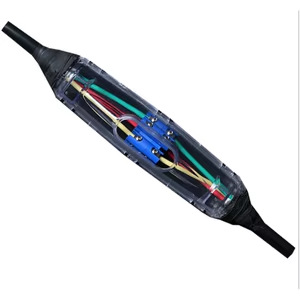
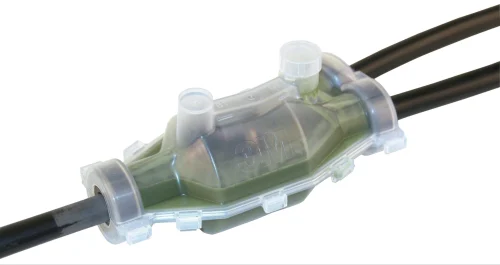
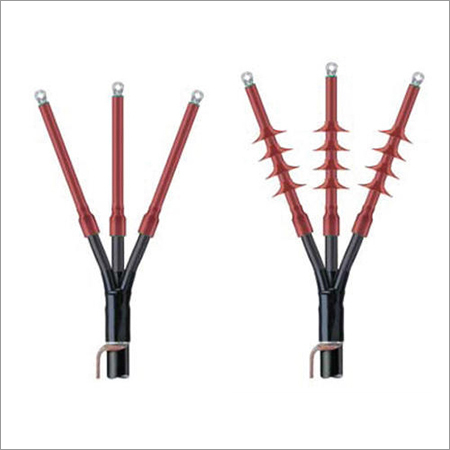
Cable Jointing Compound is a high-performance, dielectric, non-oxidizing filler engineered for the encapsulation and protection of electrical cable joints, terminations, and splices in low- and medium-voltage networks. Its primary industrial use is to exclude moisture, air, and contaminants from conductive interfaces, preventing corrosion and dielectric breakdown. The key value proposition lies in extending asset life by over 40% in harsh environments while reducing unplanned outage risks. Strategically, this compound is critical for grid resilience and industrial uptime, directly impacting operational expenditure (OPEX) and reliability metrics in global power distribution.
2. Key Specifications & Technical Characteristics
-
Chemical Composition: Polyisobutylene (PIB)-based, dielectric gel with added amorphous silica and oxidation inhibitors. Free of asphalt, solvents, and migratory oils.
-
Purity Level: >99.9% active compound; zero free halogens or sulfur (non-corrosive to copper/aluminum).
-
Physical Characteristics:
-
Form: Semi-solid, thixotropic paste
-
Color: Translucent amber to clear
-
Consistency: Needle penetration (ASTM D217): 250–300 dmm
-
Dielectric strength: >20 kV/mm
-
Temperature range: –40°C to +130°C
-
-
Packaging Options: 20g single-use sachets, 500g cartridges, 5kg pails, 25kg kegs.
-
Shelf Life: 36 months in unopened, factory-sealed containers, stored below 35°C.
3. Core Industrial Applications
-
Primary Industries: Electric utilities, renewable energy (solar/wind farms), heavy infrastructure (rail, ports), oil & gas, and telecommunications.
-
Operational Use Cases:
-
Low-voltage (LV) PILC to XLPE cable joint reconstruction
-
Medium-voltage (MV) stress cone void filling
-
Underground mining cable splice encapsulation
-
Submarine cable transition joint sealing
-
-
Performance Advantages: Outperforms bituminous tapes and epoxy putties by remaining permanently pliable—never hardening, cracking, or shrinking under thermal cycling. This eliminates moisture ingress pathways, reducing joint failure rate by over 60% versus conventional mastics.
-
Cost Advantage: Lower total installed cost (TIC) due to 50% faster application (no heating required) and zero rework within 15-year service intervals.
4. Competitive Advantages
-
Quality Consistency: ISO 9001:2025 certified with batch-level GC-MS testing; each lot carries a traceable Certificate of Analysis (CoA).
-
Supply Reliability: Dual-sourced raw materials and three redundant manufacturing lines; 98.5% on-time-in-full (OTIF) delivery track record.
-
Logistics Capability: Global hub-and-spoke warehousing (Americas, EMEA, APAC) enabling 5-day average lead time for emergency resupply.
-
Price Competitiveness: Volume-tiered pricing (≥20MT) at 12–18% below premium European and North American equivalents, with no performance trade-off.
-
Sustainability: 100% recyclable packaging; compound contains no volatile organic compounds (VOCs) or hazardous air pollutants (HAPs); RoHS and REACH compliant.
-
Technical Support: On-call application engineering, finite element analysis (FEA) modeling for joint design, and field training modules included for contract buyers.
5. Commercial & Supply Information
-
Minimum Order Quantity (MOQ): BULK 20MT (20 metric tons) per product grade, mixable across packaging sizes.
-
Loading Capacity: 20MT per standard 20‑foot dry container (palletized, 24 pallets x 833 kg net each). Maximum 22MT for 40‑foot high cube container.
Reviews
There are no reviews yet.