
Description
1. Product Overview
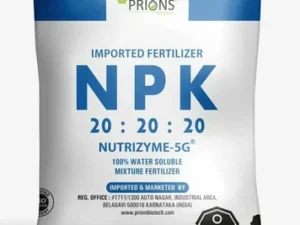
This Organic NPK mixture is a standardized, granular bio-based fertilizer engineered for predictable nutrient release and soil health restoration across large-scale row cropping, horticulture, and turf management. Unlike conventional synthetic alternatives, it delivers balanced macronutrients (Nitrogen-Phosphorus-Potassium) alongside organic carbon matrices, improving cation exchange capacity and microbial activity. Strategically, it enables agribusinesses to comply with tightening EU and USDA organic input regulations while reducing total fertilization costs per hectare through lower leaching losses.
2. Key Specifications & Technical Characteristics
-
Chemical Composition: N-P₂O₅-K₂O (typical ratios: 4-3-3, 5-4-3, or custom blends); organic carbon ≥18%; moisture ≤12%
-
Purity Level: Heavy metals below EU 2019/1009 limits (Cd ≤1.5 mg/kg, Hg ≤0.5 mg/kg); pathogen-free (Salmonella absent, E. coli <10³ MPN/g)
-
Physical Characteristics:
-
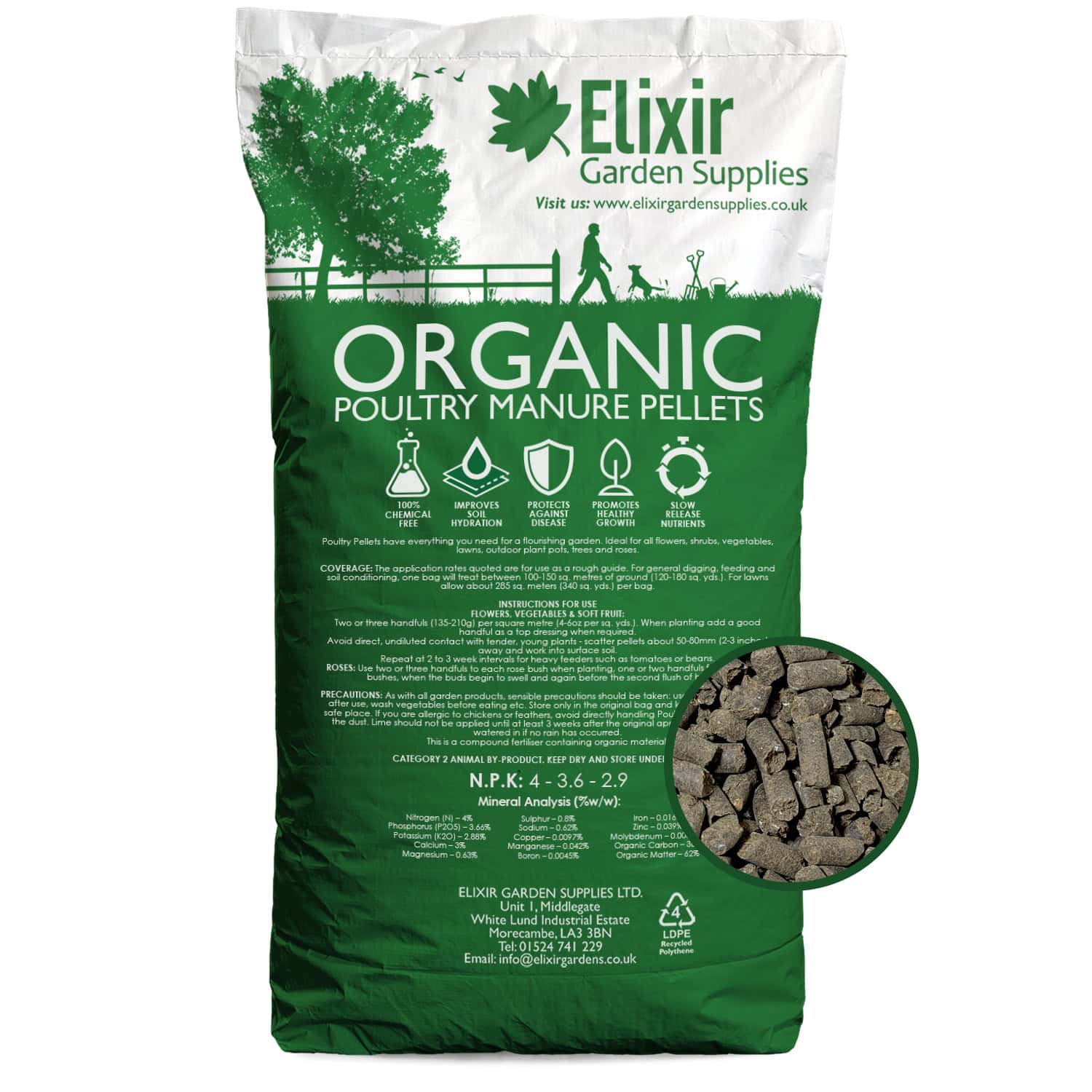
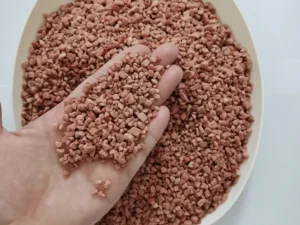
Form: Homogeneous, dust-free extruded or compacted granules
-
Color: Dark brown to charcoal
-
Granulometry: 90% between 2–5 mm
-
Bulk density: 650–750 kg/m³
-
Hardness: ≥90% granule integrity at 2 kg force
-
-
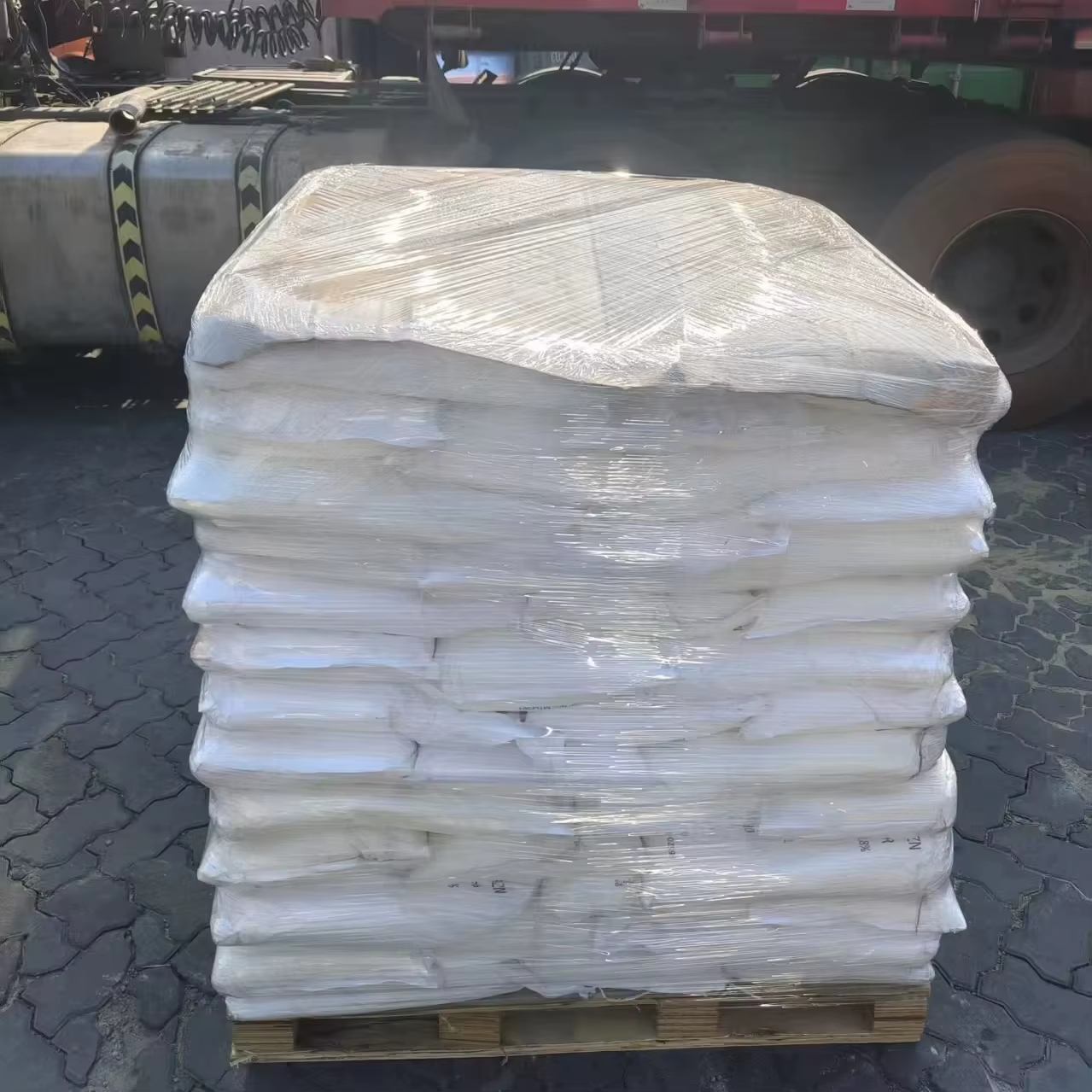
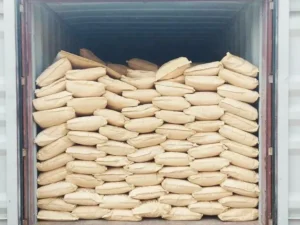
Packaging Options: 600–1,200 kg FIBC bulk bags; 25–50 kg multi-layer laminated PP sacks; pneumatic bulk tanker for industrial silos
-
Shelf Life: 24 months in dry, shaded, ventilated storage (below 35°C, RH <60%)
3. Core Industrial Applications
-
Primary Industries: Organic row crops (corn, wheat, soy), high-value vegetables (tomato, lettuce), permanent crops (grapevines, citrus), and professional turf (golf courses, sports pitches).
-
Use Cases:
-
Pre-plant incorporation for 60–90 day nutrient availability
-
Side-dressing via precision spreaders in organic no-till systems
-
Container media amendment for certified organic nurseries
-
-
Performance Advantage: Reduces nitrate runoff by up to 40% compared to synthetic NPK (independent lysimeter studies). Granular uniformity enables +/-5% application accuracy with standard rotary spreaders, lowering labor recalibration costs. Higher carbon-to-nitrogen stability minimizes volatilization losses even in high-pH soils.
4. Competitive Advantages
-
Quality Consistency: Every batch ISO 17025-tested; SPC-controlled production yields coefficient of variation (CV) for N-P-K <6%.
-
Supply Reliability: Three geographically redundant manufacturing sites (Americas, EMEA, APAC) with 98.5% on-time-in-full track record over 24 months.
-
Logistics Capability: In-house warehousing within 150 km of major container ports (Rotterdam, Savannah, Shanghai); rail-to-truck transloading available.
-
Price Competitiveness: Fixed quarterly pricing with volume-based hedging against raw organic feedstock volatility.
-
Sustainability: Certified by Control Union for EU Organic Input (Regulation 2018/848); OMRI Listed for US; 35% lower carbon footprint vs. equivalent synthetic NPK (cradle-to-gate LCA).
-
Technical Support: Agronomist-led blending recommendations; batch-specific nutrient release curves; SDS and regulatory compliance packages provided digitally.
5. Commercial & Supply Information
-
Minimum Order Quantity (MOQ): BULK 20 metric tons (mixed across up to 2 NPK ratios within same shipment)
-
Loading Capacity: 24 MT per 20-ft standard container (using 1,200 kg FIBC, 20 bags per container)
Reviews
There are no reviews yet.