
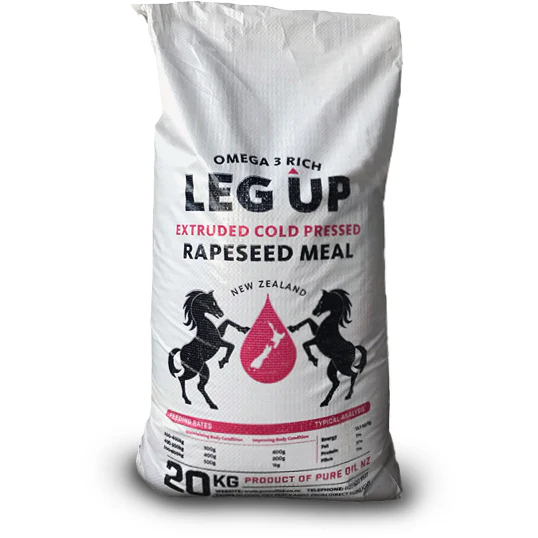
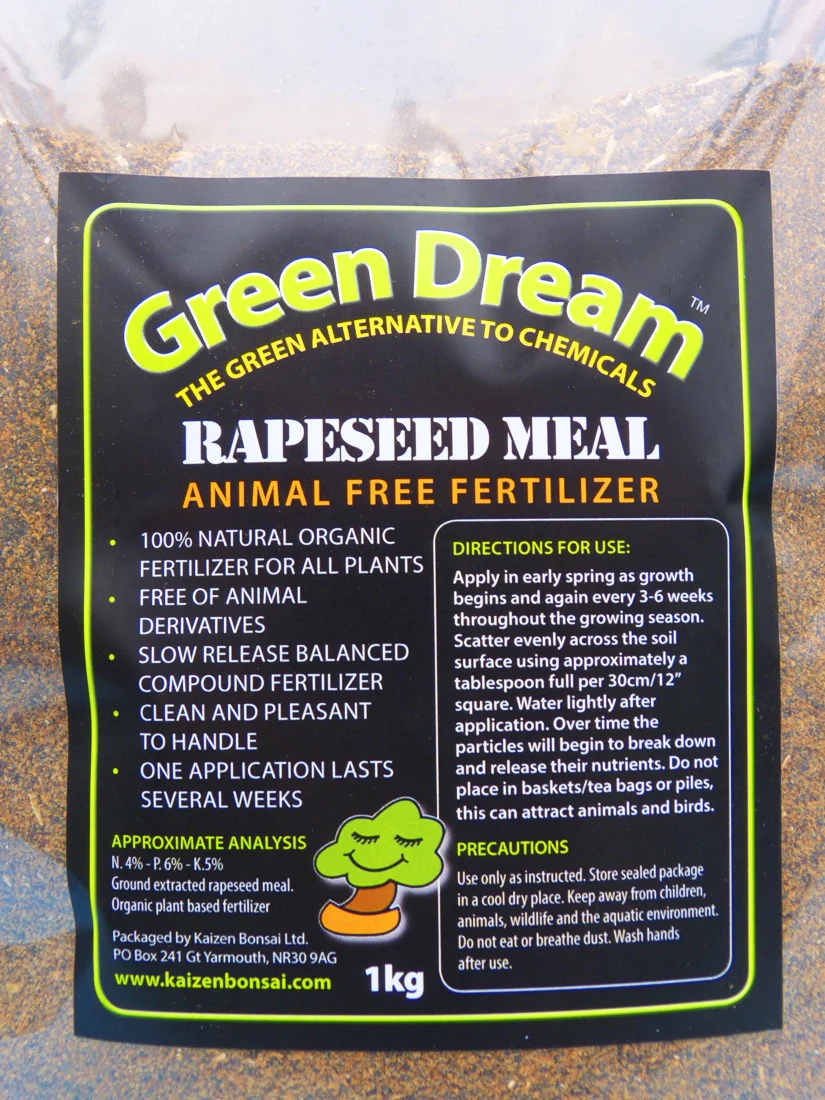
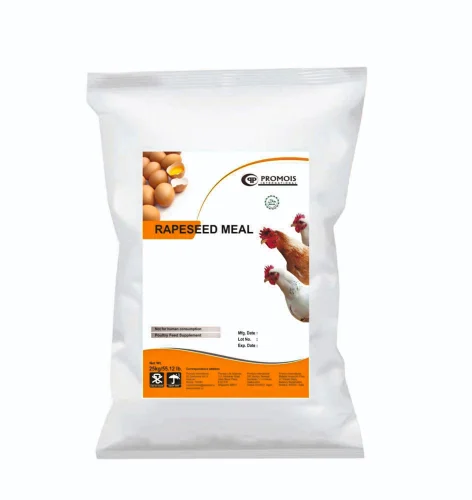
Description
1. Product Overview
Rapeseed Meal is a high-protein, co-product derived from the mechanical pressing and solvent extraction of oil from Brassica napus seeds, following the removal of crude vegetable oil. Its primary industrial application serves as a premium, cost-effective protein supplement in compound feed formulations for ruminants, swine, and poultry. The key value proposition lies in its balanced amino acid profile—specifically a high methionine and cysteine content—coupled with modern processing that consistently delivers low glucosinolate levels (double-low varieties), mitigating palatability risks. Strategically, this product is critical for feed mill operators seeking to reduce dependency on imported soybean meal while capitalizing on a regionally abundant, sustainable protein source with a lower carbon footprint.
2. Key Specifications & Technical Characteristics
-
Chemical Composition: Crude Protein (N×6.25): 34–38% (dry matter basis); Ether Extract: 1.5–3.5%; Crude Fiber: 11–13%; Moisture: ≤12%
-
Anti-nutritional Factors: Glucosinolates: <18 µmol/g (for double-low varieties); Sinapine and phytic acid present at industrial-grade levels
-
Physical Form: Granular to fine meal; color: light to dark brown (homogeneous batch-to-batch); particle size: 95% passing through 1.4mm sieve; bulk density: 550–650 kg/m³
-
Packaging Options: Bulk in pneumatic tankers (food-grade certified), 1MT big bags, or 50kg multi-wall kraft paper bags with PE inner liner
-
Shelf Life: 12 months from production date when stored in dry, ventilated conditions (<70% RH, ambient temperature below 25°C)
3. Core Industrial Applications
-
Primary Industries: Compound animal feed manufacturing (dairy, beef, broiler, layer, swine, aquaculture – limited use in salmonids)
-
Operational Use Cases:
-
Ruminants (dairy & beef): Replaces up to 40% of soybean meal in TMR – bypass protein content improves milk protein yield and nitrogen efficiency
-
Swine (finishing & gestation): Formulated at 10–15% inclusion – high methionine reduces need for synthetic DL-methionine additive
-
Poultry (layers): At 8–12% inclusion – enhances yolk pigmentation due to natural xanthophylls
-
-
Performance Advantage vs. Alternatives: Compared to soybean meal, rapeseed meal offers equivalent protein digestibility (83–85% in ruminants) at a 15–20% lower cost per unit of metabolizable lysine. Higher fiber content improves rumen function in dairy, reducing subacute acidosis risk versus cereal-heavy formulations.
4. Competitive Advantages
-
Quality Consistency: ISO 22000:2018 certified facility; NIR-tested every batch for CP, NDF, and glucosinolates; SGS inspection available at load port
-
Supply Reliability: Vertical integration with five crush plants across primary growing regions; buffer stock of 15,000MT ensures uninterrupted 52-week supply
-
Logistics Capability: Dedicated rail-served warehouses within 50km of three deep-water ports; container load and conventional break-bulk options
-
Price Competitiveness: Quarterly fixed-price contracts with collars or formula pricing linked to CBOT soybean meal + freight differential
-
Sustainability: PEFCR-compliant; carbon footprint 2.1 kg CO₂e per kg protein – 32% lower than imported SBM; no deforestation or land-use change in supply chain
-
Technical Support: Full nutritional matrix (SID amino acids, ME values, TEK) in NRC, CVB, and Brazilian tables format; on-call animal nutritionist for formulation troubleshooting
5. Commercial & Supply Information
-
Minimum Order Quantity (MOQ): BULK 20MT (one full truckload or less-than-container load consolidation)
-
Loading Capacity:
-
20ft dry container: 20–22 MT (depending on packaging – bulk bag or 50kg bags)
-
40ft high-cube container: 26–28 MT max net weight
-
Bulk vessel (handysize): 15,000–25,000 MT per hold with dedicated grab-unload equipment
-
-
Lead Time: 14 days from contract confirmation for container shipments; 30 days for bulk vessel loading




Reviews
There are no reviews yet.