

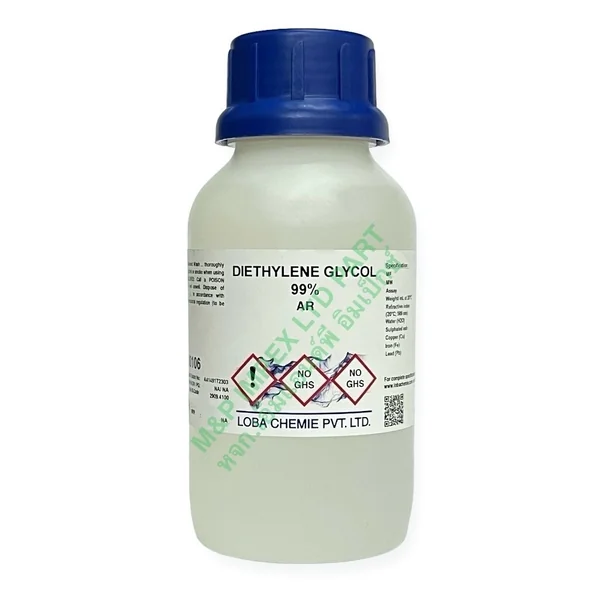


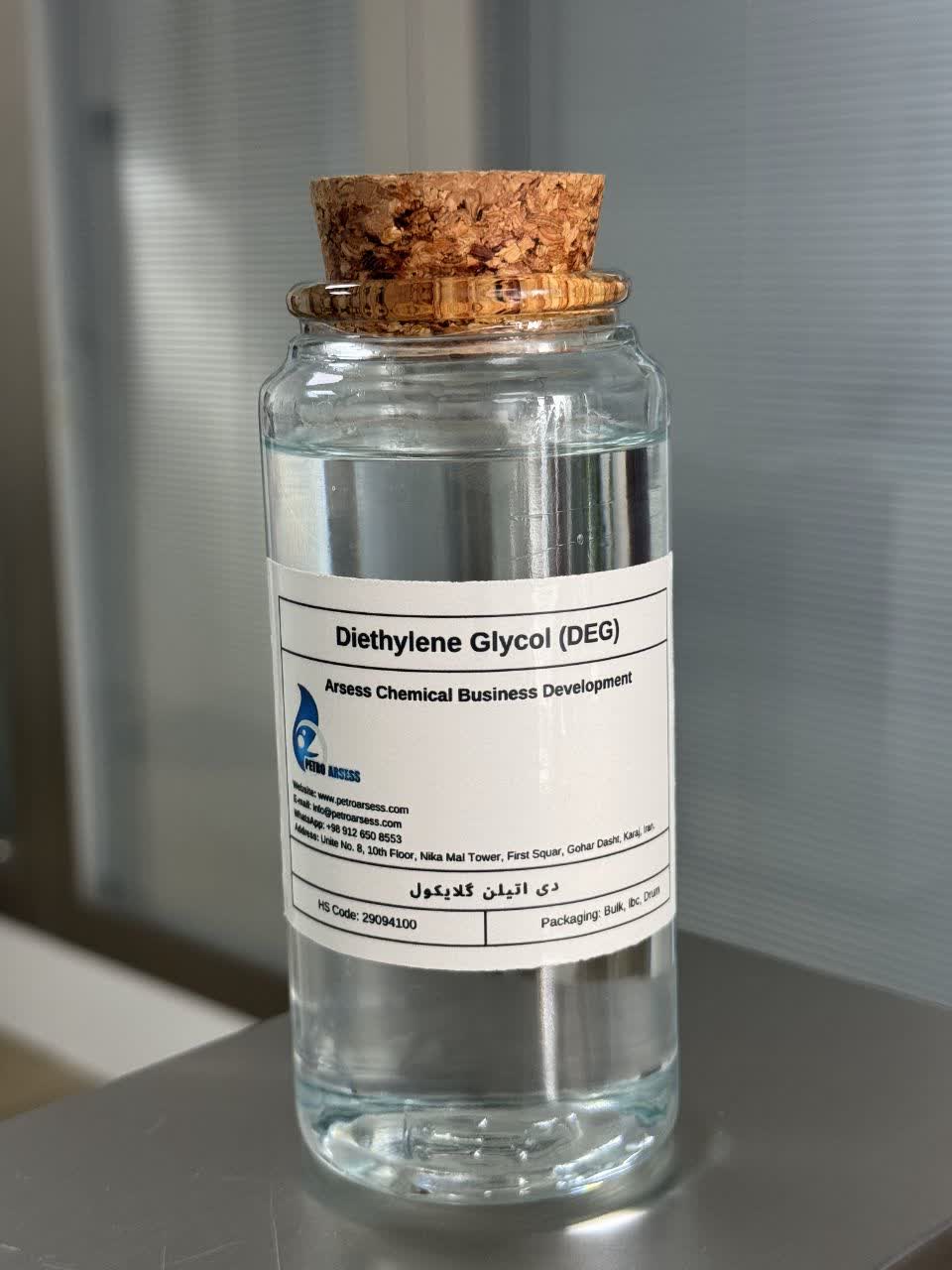
Description
1. Product Overview
Diethylene Glycol (DEG) is a high-boiling, hygroscopic diol widely specified as a dehydration agent and solvent in heavy industrial processes. Its primary use is in natural gas sweetening and glycol dehydration units, where it removes water vapor to prevent pipeline corrosion and hydrate formation. The key value proposition is superior thermal stability and lower vapor pressure compared to MEG or TEG in specific loops, reducing make-up rates. Strategically, DEG remains essential for midstream gas processors and chemical manufacturers requiring a cost-effective, high-performance intermediary.
2. Key Specifications & Technical Characteristics
-
Chemical composition: Diethylene Glycol (HO–CH₂–CH₂–O–CH₂–CH₂–OH)
-
Purity grade: Industrial Grade ≥ 99.5% / Technical Grade ≥ 99.0%
-
Physical form: Clear, colorless, viscous liquid
-
Key properties: Hygroscopic, high boiling point (≈245°C), low volatility
-
Density (20°C): 1.116 – 1.120 g/cm³
-
Packaging options: Bulk ISO tank, 1,100 L IBC totes, 230 kg net steel drums
-
Shelf life: 24 months in original sealed container, away from moisture and strong oxidizers
3. Core Industrial Applications
-
Oil & gas (midstream): Natural gas dehydration (DEG unit contactors) – outperforms TEG in high-H₂S or high-temperature slip streams due to lower polymerization risk.
-
Chemical synthesis: Production of morpholine, 1,4-dioxane, and polyester polyols – delivers higher reaction yield vs. recycled glycols.
-
HVAC & industrial fluids: Low-temperature heat transfer fluids and deicing compounds – provides better freeze-point depression per unit cost than ethanol-based alternatives.
-
Printing inks & coatings: Humectant and coalescent solvent – extends open time without resin incompatibility.
-
Cost advantage: Lower regeneration energy demand than triethylene glycol in lean/rich glycol loops, reducing OPEX.
4. Competitive Advantages
-
Quality consistency: ISO 9001:2025 certified production with SQC batch traceability; purity variance <±0.1%.
-
Supply reliability: Dual-sourced manufacturing (Asia & Middle East) with 15,000 MT strategic buffer stock.
-
Logistics capability: Dedicated bulk chemical fleet (ISOTanks, heated trucks) ensuring no freezing or contamination.
-
Price competitiveness: Direct toll manufacturing agreements remove 2–3 intermediary margins; spot and contract pricing available.
-
Sustainability: Returnable IBC and drum buy-back program; low-waste transfer systems supported.
-
Technical support: 24/7 process engineering consultation and custom blend documentation.
5. Commercial & Supply Information
-
Minimum order quantity (MOQ): BULK 20MT (single grade, one delivery point)
-
Loading capacity (MT per container):
-
20 ft ISO tank container: 20 – 22 MT
-
Standard 20 ft dry container with flexibag: 20 MT
-
Bulk truck (regional): 24 MT
-
Reviews
There are no reviews yet.