
Description
1. Product Overview
High-purity limestone is a naturally occurring, sedimentary rock composed predominantly of calcium carbonate (CaCO₃), processed to meet strict industrial specifications. It serves primarily as a flux in steelmaking, a reagent in flue gas desulfurization (FGD), and a key filler in construction materials and glass manufacturing. The value proposition lies in its high chemical consistency, low silica and magnesia content, which improves process efficiency and reduces slag formation. With tightening global emissions standards and demand for high-grade steel, securing a reliable source of high-purity limestone is a strategic procurement imperative.
2. Key Specifications & Technical Characteristics
-
Chemical composition: CaCO₃ ≥ 99.0%, SiO₂ ≤ 0.5%, MgO ≤ 0.3%, Al₂O₃ + Fe₂O₃ ≤ 0.2%
-
Purity grade: Premium industrial grade (calcination-ready)
-
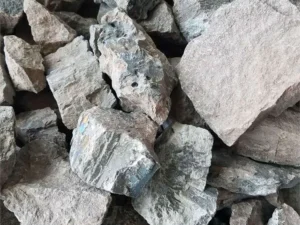
Physical form: Crushed graded aggregate; color: off-white/light grey
-
Particle size: Customizable: 0–3 mm (FGD), 3–20 mm (steel flux), or 20–80 mm (lime kiln feed)
-
Bulk density: 1.4–1.6 t/m³ (depending on grading)
-
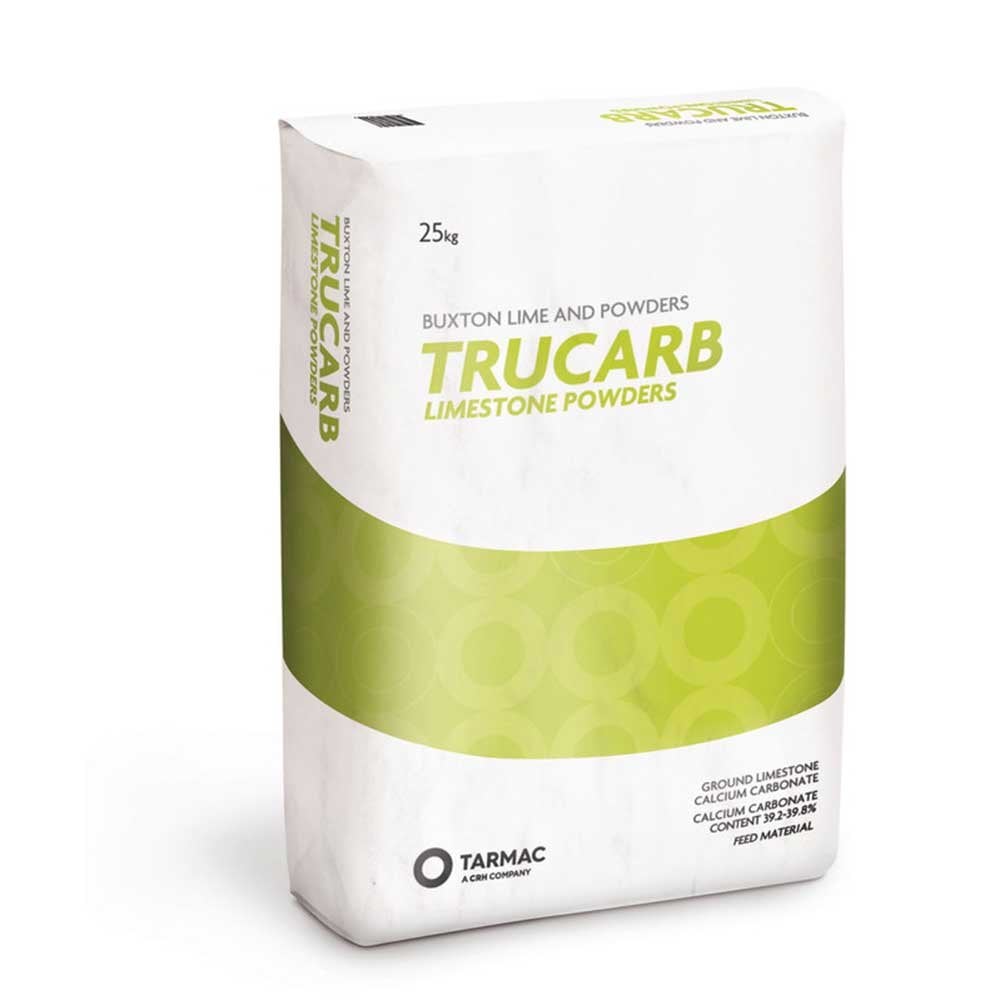
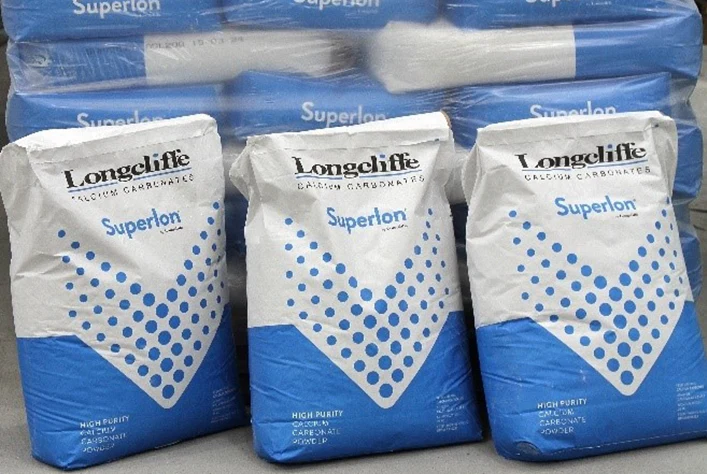
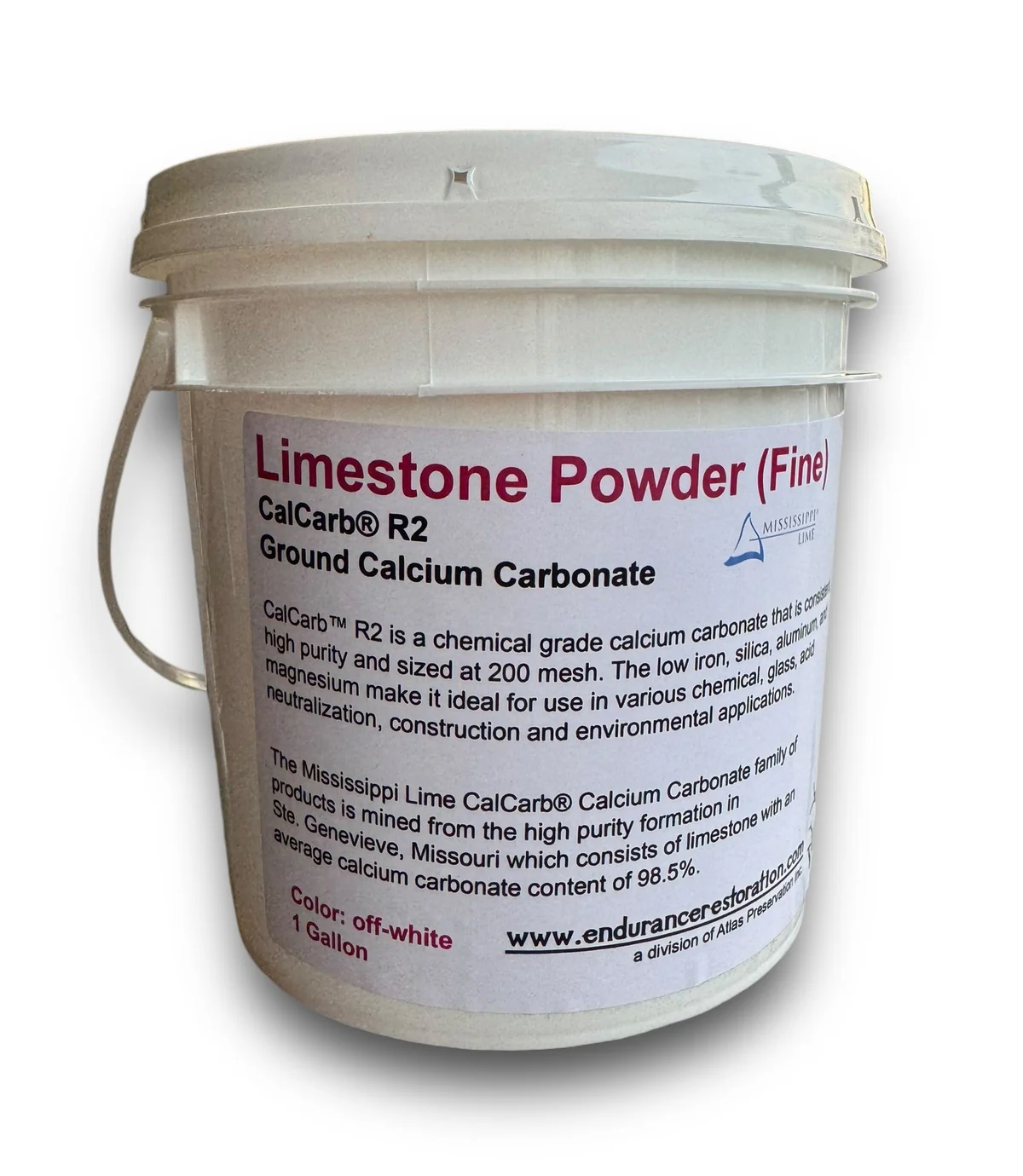
Packaging options: Bulk vessel, 1.5 MT big bags, or 50 kg HDPE laminated bags
-
Shelf life: Indefinite when stored in dry, covered conditions; avoid acid contamination
3. Core Industrial Applications
-
Steel manufacturing: Used as a flux in basic oxygen furnaces (BOF) and electric arc furnaces (EAF) to remove phosphorus, sulfur, and silica. Performs better than lower-purity alternatives by reducing slag volume by 12–15%, lowering refractory wear and energy use.
-
Flue gas desulfurization (FGD): Reacts with SO₂ from coal or industrial exhaust to form gypsum. High CaCO₃ purity doubles reaction efficiency versus standard limestone, reducing reagent consumption and sludge disposal costs.
-
Glass production: Supplies CaO as a network stabilizer. Low iron content (Fe₂O₃ < 0.05% on request) prevents unwanted green tinting in clear glass.
-
Construction chemicals: As a high-whiteness filler in dry-mix mortars, self-leveling compounds, and asphalts, improves workability without reactive side effects.
4. Competitive Advantages
-
Quality consistency: Every shipment verified via ISO 17025-accredited lab data; statistically controlled process with ±0.2% CaCO₃ tolerance.
-
Supply reliability: Dedicated quarry-to-port supply chain with 50,000 MT monthly capacity; dual sourcing from two geological zones mitigates mine disruption risk.
-
Logistics capability: 24/7 loadout at deep-water terminal; vessel loading up to 25,000 MT per day; all-in Incoterms support (FOB, CFR, CIF).
-
Price competitiveness: Long-term contract pricing with quarterly index alignment; lower impurities reduce buyer’s process costs by 5–8% vs. regional averages.
-
Sustainability: Low-carbon extraction (electric haulage), zero process water discharge, and post-mining rehabilitation certified to ISO 14001.
-
Technical support: Full MSDS, XRD/XRF certificates, and process engineering consultation for FGD or steel slag optimization.
5. Commercial & Supply Information
-
Minimum order quantity (MOQ): 20 MT (1 palletized big-bag lot) – BULK 20MT
-
Loading capacity: 20 MT per 20-ft standard container (bagged); 1,500 MT per coastal vessel bulk; 25,000 MT per Panamax vessel (bulk)
Reviews
There are no reviews yet.