
Description
1. Product Overview
Silica Sand is a high-purity industrial granular material composed of over 99% silicon dioxide (SiO₂), essential for high-temperature processing, filtration, and structural reinforcement across heavy industries. Its primary industrial use lies in glass manufacturing, hydraulic fracturing, foundry casting, and water filtration systems. The key value proposition is its consistent grain morphology, thermal stability, and chemical inertness, which directly reduce production downtime and improve end-product yield. Strategically, it functions as a non-substitutable raw material for global supply chains in construction, energy, and manufacturing—making its reliable sourcing a critical lever for operational resilience.
2. Key Specifications & Technical Characteristics
-
Chemical composition: ≥99.2% SiO₂, ≤0.5% Al₂O₃, ≤0.1% Fe₂O₃, ≤0.05% TiO₂
-
Purity level: High-grade industrial (meets ASTM C778 / ISO 3262 standards)
-
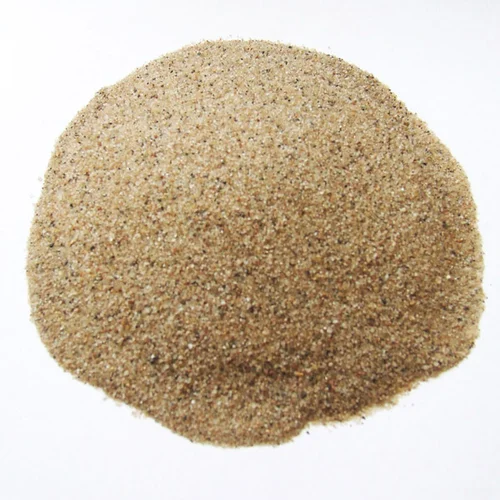
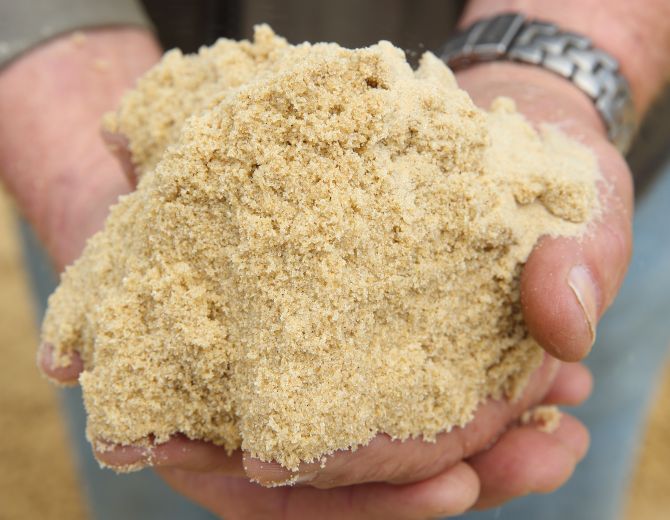
Physical form: Dry, free-flowing angular to sub-rounded granules
-
Color: Off-white to light beige
-
Particle size distribution: Available in 40–100 mesh, 100–200 mesh, and custom grades (D50 controllable)
-
Bulk density: 1.45 – 1.65 g/cm³ (loose); 1.55 – 1.75 g/cm³ (tapped)
-
Moisture content: <0.1% (kiln-dried)
-
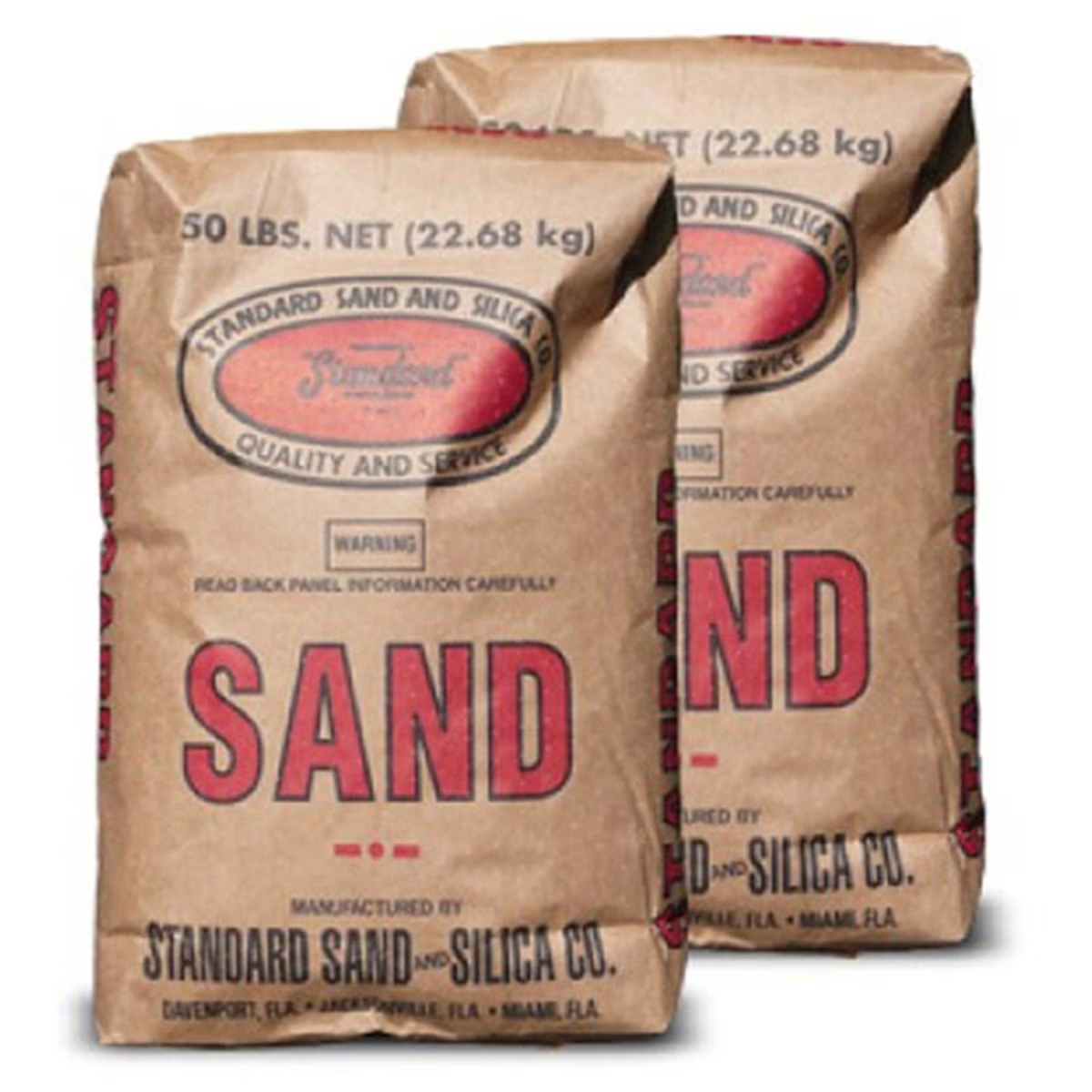
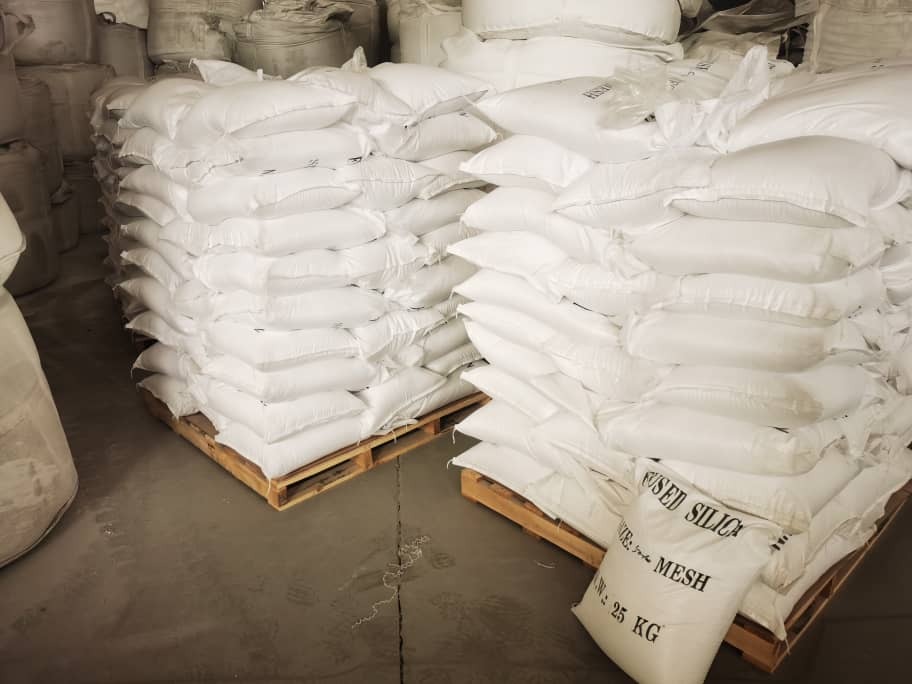
Packaging options: 1.5 MT bulk bags, 50 kg HDPE laminated woven bags, or pneumatic tanker loading
-
Shelf life: 36 months in dry, covered storage conditions
3. Core Industrial Applications
-
Glass manufacturing (flat, container, fiberglass): Provides pure SiO₂ to control viscosity and clarity. Reduces refining energy by 7–12% versus lower-purity sands, directly cutting cost per ton of melt.
-
Hydraulic fracturing (proppant): As a quartz sand proppant, it maintains fracture conductivity under 6,000–8,000 psi closure stress. Outperforms resin-coated alternatives in low-temperature wells, offering lower cost per fracture stage.
-
Foundry casting (mold & core making): High refractory stability prevents burn-on defects. Uniform grain size improves permeability, reducing gas porosity defects by ~18% compared to non-classified sands.
-
Water filtration: Effective in dual-media filters for municipal and industrial wastewater. Angular shape increases sediment holding capacity, extending filter run cycles by 20–30%.
-
Construction (grouts, mortars, floor screeds): Improves compressive strength and shrinkage control. Substantially more cost-effective than synthetic aggregates.
4. Competitive Advantages
-
Quality consistency: Statistical process control (SPC) monitored at five points from wash to packaging; each shipment includes certified mill test report (MTR) with grain distribution curve.
-
Supply reliability: Dedicated mining and processing capacity of 250,000 MT/year; multi-site logistics network reduces geopolitical or weather-related disruption risk.
-
Logistics capability: Rail-to-truck transloading and direct container stuffing (20’, 40’) with load port inspection available.
-
Price competitiveness: Vertical integration from mine to port eliminates intermediary markups; long-term take-or-pay contracts available at fixed quarterly indices.
-
Sustainability: Low dry-processing energy footprint (no chemical flotation); 100% tailings reinjection into exhausted mining pits; compliant with EU Ecodesign and US EPA Non-Hazardous Secondary Material standards.
-
Technical support: Free particle-size distribution analysis (PSD) and silica compatibility testing for new applications; on-call metallurgical engineer.
5. Commercial & Supply Information
-
MOQ (Minimum Order Quantity): 20 MT (BULK / loose container or flatbed)
-
Loading capacity per 20’ dry container: 24–26 MT (bulk bags or loose fill, depending on density grade)
-
Loading capacity per 40’ dry container: 48–50 MT (bulk bags only)
-
Incoterms supported: FOB, CFR, CIF, EXW
-
Lead time (spot order): 10 days from order confirmation (bulk), 21 days (bagged)
Reviews
There are no reviews yet.