
Description
Product Overview
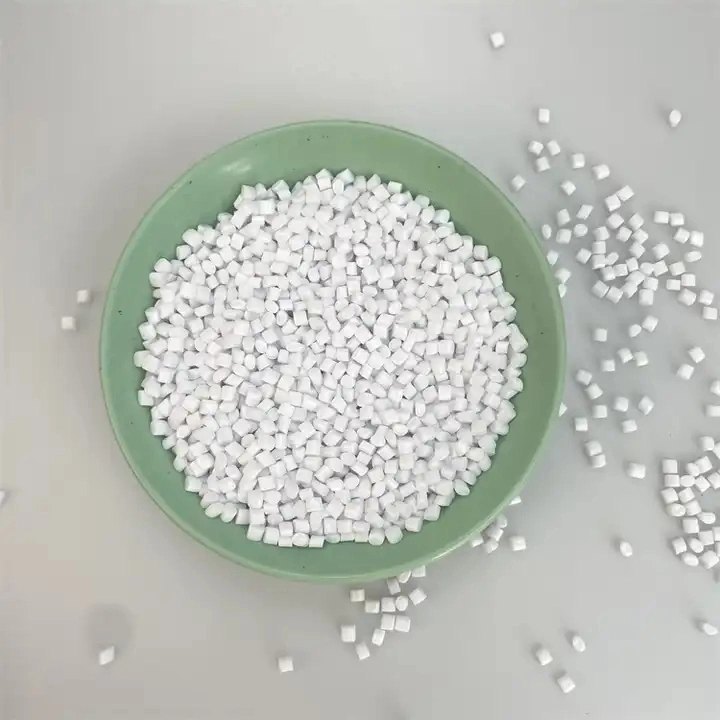
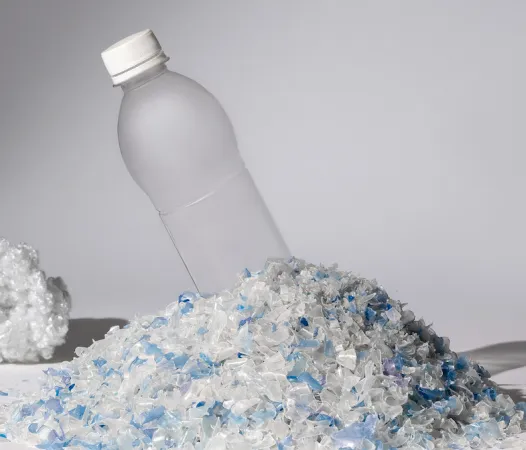
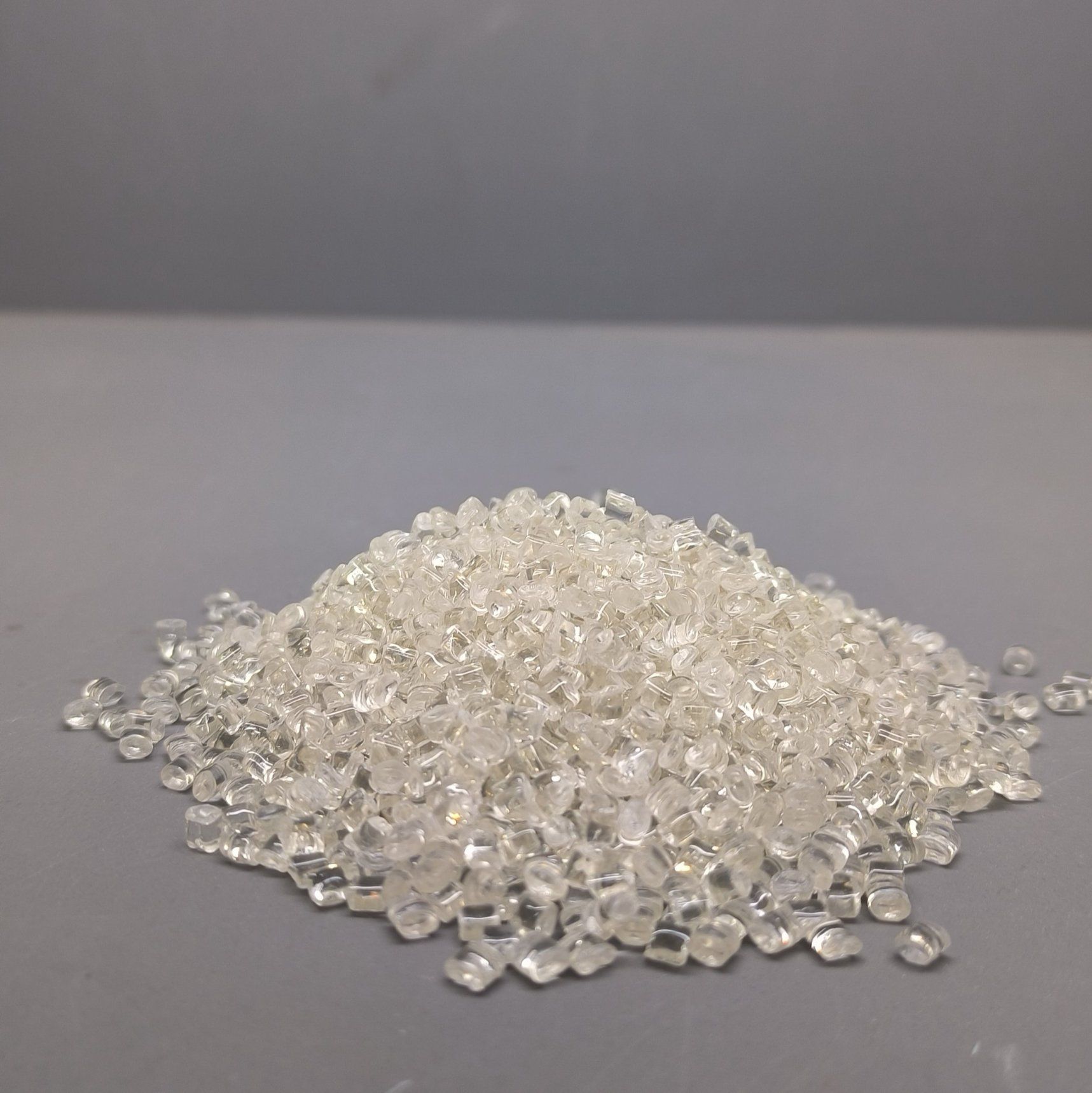
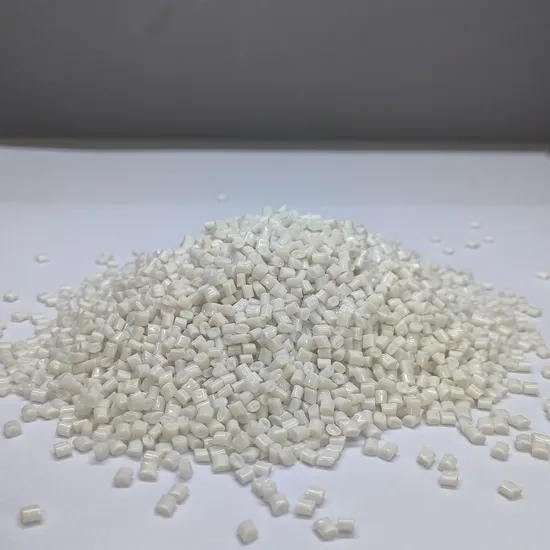
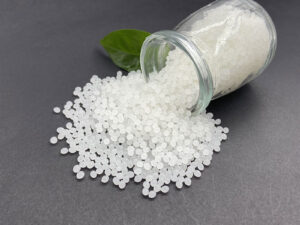
Polyethylene Terephthalate (PET) pellets are a high-purity, semi-crystalline thermoplastic resin produced via polycondensation of purified terephthalic acid (PTA) and monoethylene glycol (MEG). They serve as the primary feedstock for blow-molded bottles, extruded sheets, and injection-molded technical components. The key value proposition is exceptional mechanical strength, barrier properties against gases/moisture, and full recyclability. Strategically, PET underpins the $80B+ global packaging industry, offering a lightweight, shatter-resistant alternative to glass and metals in circular economy supply chains.
Competitive Advantage Spotlight
Superior intrinsic viscosity (IV) consistency (±0.02 dL/g) ensures repeatable processing; direct source agreements with PTA/MEG producers guarantee price stability and ISO 22000-certified food-contact compliance.
2. Key Specifications & Technical Characteristics
-
Chemical composition: Polyethylene terephthalate homopolymer (CAS 25038-59-9)
-
Purity grade: Virgin, food-grade, BPA-free; heavy metals <0.1 ppm
-
Physical characteristics:
-
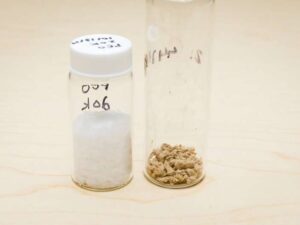
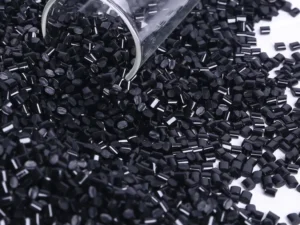
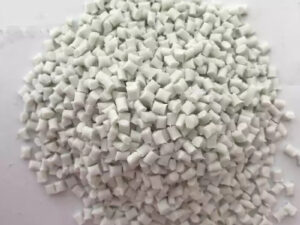
Form: Cylindrical pellets (2.5–3.5 mm length, Ø 3 mm)
-
Color: Clear to off-white (transparent after processing)
-
Bulk density: 800–850 kg/m³
-
Intrinsic viscosity (IV): 0.70–0.84 dL/g (customizable)
-
Melting point: 250–260°C
-
-
Packaging options: 25 kg moisture-barrier bags; 1,250 kg FIBC bulk bags; 20 MT flexitanks (for pneumatic conveying)
-
Shelf life: 24 months when stored <40°C, <50% RH, away from UV exposure
3. Core Industrial Applications
-
Packaging & beverage: Preforms for carbonated soft drink, water, and edible oil bottles – superior clarity and creep resistance vs. PP or PVC.
-
Food & thermoforming: Rigid trays, clamshells, and blister packs – offers higher heat deflection temperature (75°C) and lower oxygen transmission rate (5–8 cc·mm/m²·day·atm) than PLA.
-
Technical filaments: Strapping tape and monofilaments – tensile strength (80 MPa) outperforms recycled PET by 40%, reducing breakage in high-load strapping lines.
-
Sheet extrusion for automotive/interiors: Dashboards and underhood panels – dimensional stability up to 120°C outperforms ABS in humid environments.
4. Competitive Advantages
-
Quality consistency: SPC-monitored IV and acetaldehyde (AA) levels (<1.5 ppm for preform grades); each batch carries a Certificate of Analysis.
-
Supply reliability: Multi-site production (Asia, Middle East, Europe) with 98.5% on-time-in-full (OTIF) performance; safety stock equivalent to 45 days of demand.
-
Logistics capability: Pre-shipment drying and desiccant-lined packaging eliminate moisture pickup (max 0.05% by weight at delivery).
-
Price competitiveness: Direct mill allocation eliminates trader margin; quarterly fixed-price contracts available for >1,000 MT annual off-take.
-
Sustainability: ISCC PLUS certified mass-balanced bio-attributed and chemically recycled grades (50% PCR content available); offsets scope 3 emissions reporting.
-
Technical support: Free injection/stretch blow molding troubleshooting; Moldflow simulation files provided within 48 hours of request.
5. Commercial & Supply Information
-
Minimum order quantity (MOQ): 20 metric tons (MT) per grade, mixed grades available at 25 MT
-
Loading capacity per standard 20 ft container: 24 MT (palletized, 20 FIBC bags of 1,200 kg each)
-
Per 40 ft high-cube container: 26 MT (maximum payload without exceeding 30,480 kg gross weight)
Reviews
There are no reviews yet.