
Description
1. Product Overview
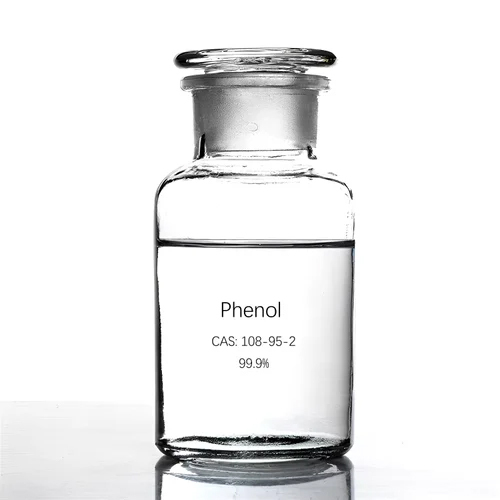
Phenol industrial grade is a high-purity aromatic organic compound (C₆H₅OH), essential as a feedstock for numerous high-volume chemical synthesis processes. Its primary industrial use is as a precursor to bisphenol A (BPA) for polycarbonate plastics and epoxy resins, as well as for phenolic resins, caprolactam, and alkylphenols. The key value proposition lies in its consistent quality, high reactivity, and cost-efficiency, enabling downstream manufacturers to achieve predictable yields and superior end-product performance. Strategically, reliable access to industrial-grade phenol underpins supply chain resilience for the automotive, construction, electronics, and consumer goods sectors worldwide.
2. Key Specifications & Technical Characteristics
-
Chemical composition: Phenol (C₆H₅OH) with trace water and cumene impurities controlled per industrial standards
-
Purity level: ≥ 99.0 wt% (typical range 99.0–99.9%, depending on sourcing specification)
-
Physical characteristics:
-
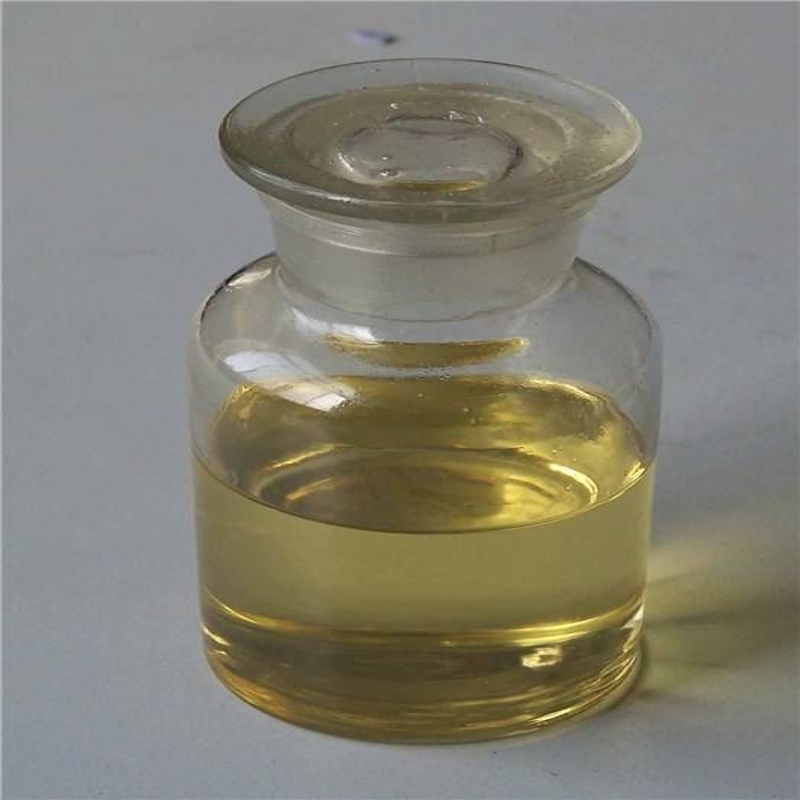
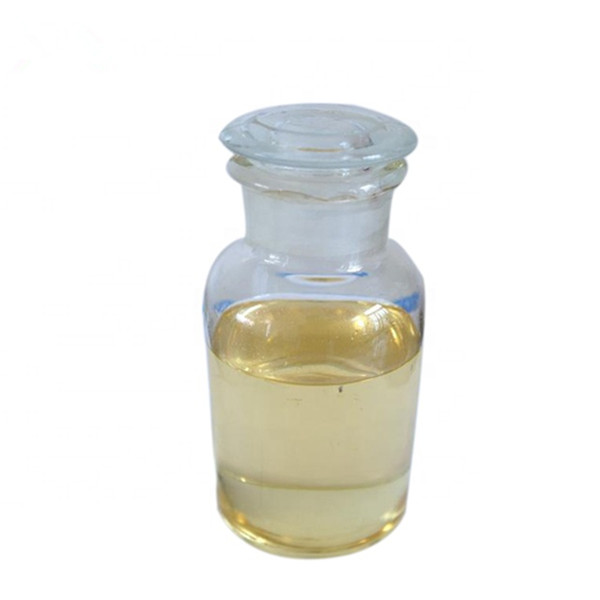
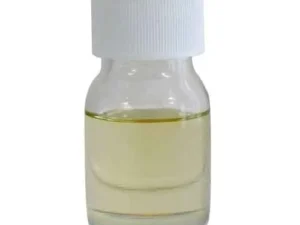
Form: Clear to slightly pink liquid at ≥ 41°C; crystalline solid below melting point
-
Color: APHA ≤ 10 (molten) or ≤ 20 (solid)
-
Density: ~1.07 g/cm³ at 20°C
-
Boiling point: 181.7°C
-
Melting point: 40.5°C
-
-
Packaging options:
-
Bulk isotanks (20–24 MT)
-
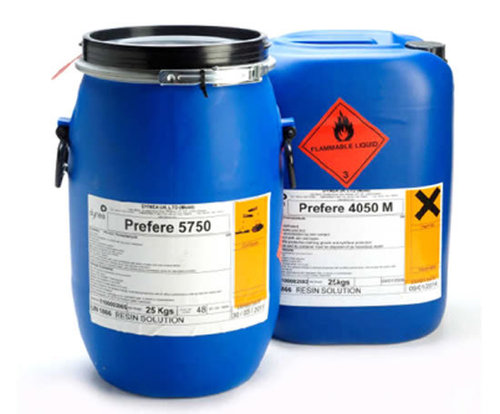
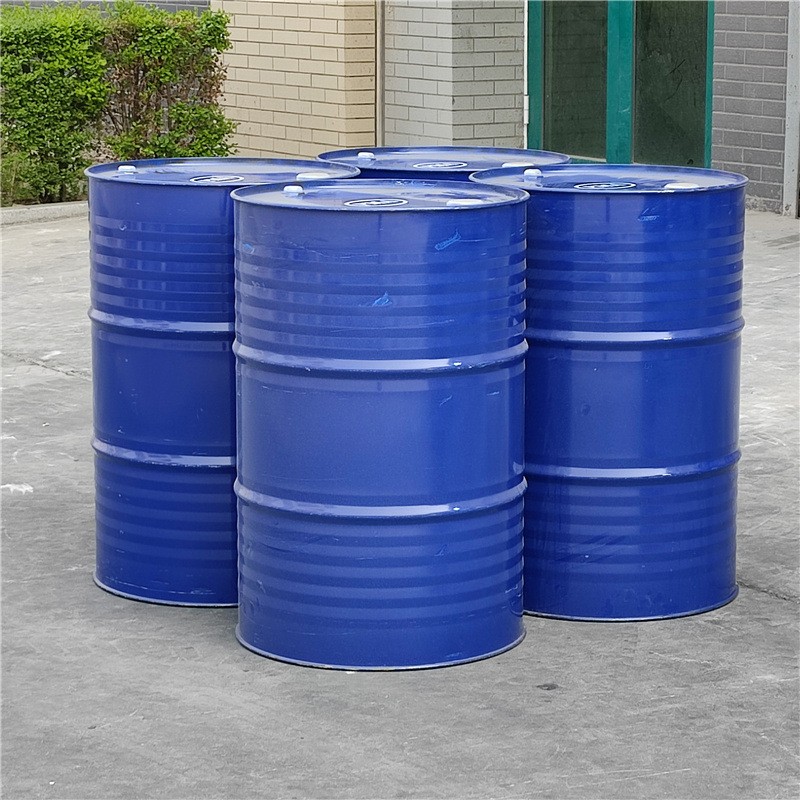
200 kg net steel drums
-
1,000 kg IBC totes
-
-
Shelf life: 12 months when stored in sealed containers under dry, inert atmosphere at 15–30°C, protected from light and moisture
3. Core Industrial Applications
-
Primary industries: Polycarbonate & epoxy resin manufacturing, phenolic resin production, caprolactam (nylon 6) intermediates, agrochemicals, and pharmaceutical intermediates.
-
Operational use cases:
-
BPA synthesis: Reacts with acetone to produce bisphenol A, the backbone of high-impact polycarbonate glazing and electronic housings.
-
Phenolic resins: Crosslinks with formaldehyde for heat-resistant molded parts, laminates, and abrasive binders.
-
Caprolactam process: Hydrogenated to cyclohexanone then converted to nylon 6 for engineering plastics and fibers.
-
-
Performance advantage: Compared to lower-grade or alternative feedstocks (e.g., cresols or recycled phenol), industrial-grade phenol delivers consistent reaction kinetics, reduced catalyst poisoning, and minimal color bodies in finished polymers—translating to lower rejection rates and higher line speeds.
4. Competitive Advantages
-
Quality consistency: In-line GC and UV-Vis monitoring per ASTM D3852; lot-to-lot variability < 0.3% purity; full certificate of analysis with each shipment.
-
Supply reliability: Backed by captive cumene-to-phenol oxidation capacity and multi-region warehousing (Asia, Europe, USGC); typical lead time 14–21 days.
-
Logistics capability: Dedicated ISO tank fleet with nitrogen blanketing and temperature-controlled transport; demurrage and cleaning protocols pre-agreed.
-
Price competitiveness: Direct-from-producer pricing basis CFR or CIF major ports; quarterly or annual contracts with price adjustment formulas (e.g., reference to benzene + propylene + conversion margin).
-
Sustainability & documentation: Mass-balance certified product available with ISCC PLUS; full SDS, REACH, TSCA, and K-REACH compliance; technical datasheets and MSDS provided digitally upon PO confirmation.
5. Commercial & Supply Information
-
Minimum order quantity (MOQ): BULK 20MT (20 metric tons) per ISO tank or flexitank container
-
Loading capacity (MT per container):
-
20-ft ISO tank container: 22–24 MT net (depending on tank MLV rating)
-
20-ft general purpose container with flexitank: 20 MT net
-
40-ft container (drummed/IBC): 18–20 MT (palletized)
-
Reviews
There are no reviews yet.