
Description
1. Product Overview
Para-xylene (PX) is a high-purity aromatic hydrocarbon and the critical precursor in the production of Purified Terephthalic Acid (PTA), which itself is the essential building block for polyester fibers and resins. Its primary industrial use lies in enabling the global polyester value chain—from textiles and packaging to automotive components. The key value proposition is consistent, high-yield conversion efficiency into PTA, directly reducing downstream processing costs and maximizing output for chemical manufacturers. Strategically, PX is indispensable to the global petrochemical market, with demand tightly correlated to GDP growth in developing economies, making supply reliability a top-tier commercial priority.
2. Key Specifications & Technical Characteristics
-
Chemical composition: C₈H₁₀ (Dimethylbenzene), CAS No. 106-42-3
-
Purity grade: ≥ 99.7 wt% (Premium Grade) | ≤ 0.3 wt% non-aromatic hydrocarbons
-
Physical characteristics:
-
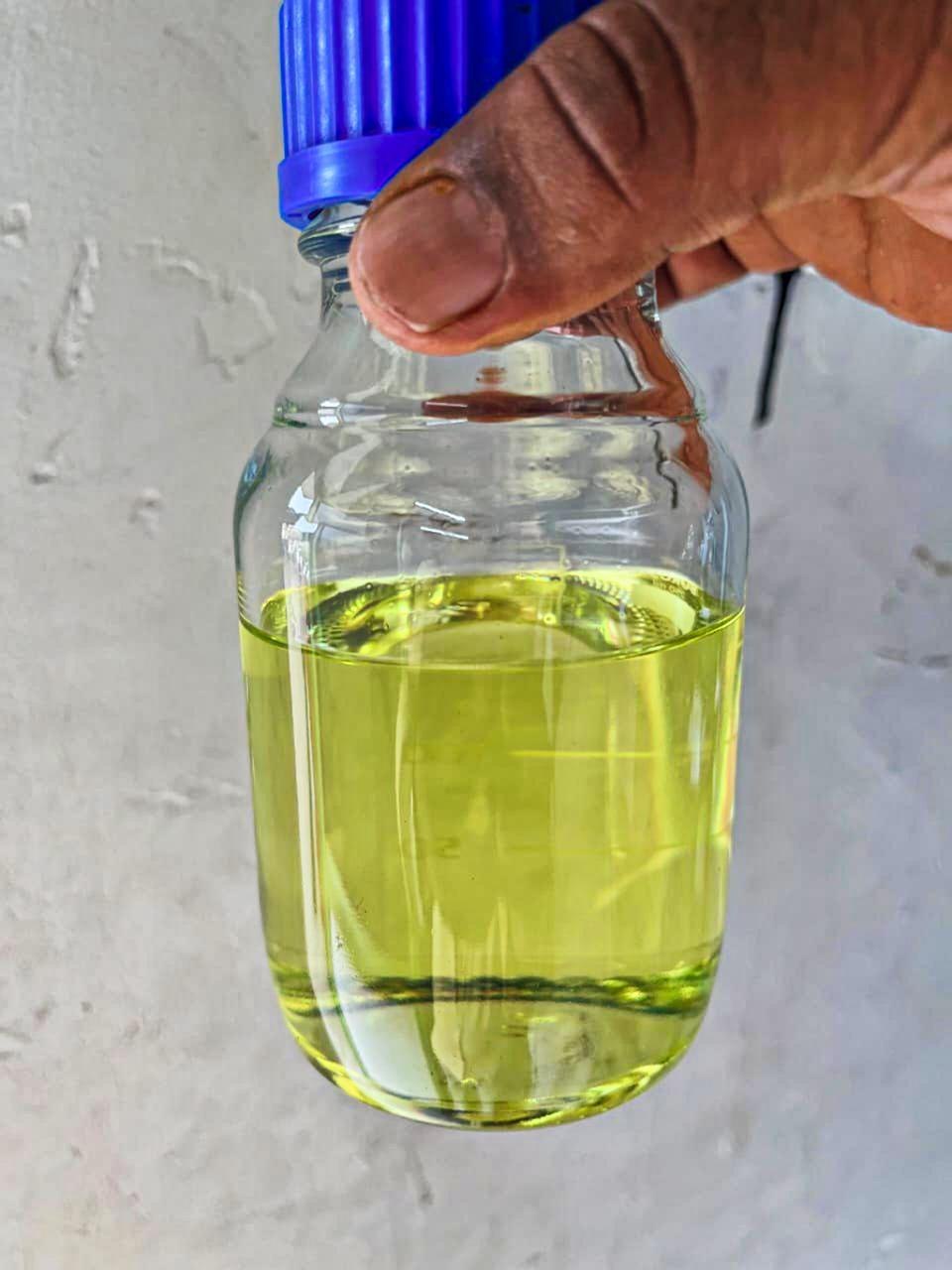
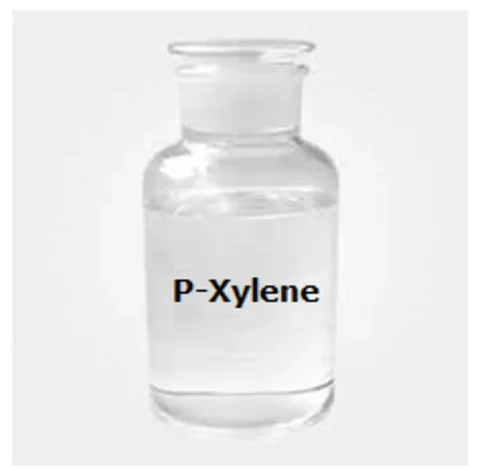
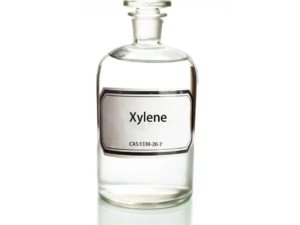
Form: Clear, colorless liquid
-
Odor: Characteristic aromatic
-
Density: 0.861 g/cm³ at 20°C
-
Melting point: +13.26°C (strict cold-chain handling required below +15°C)
-
-
Key impurities (max):
-
Toluene: ≤ 0.1%
-
Ethylbenzene: ≤ 0.2%
-
Non-aromatics: ≤ 0.3%
-
Benzene: ≤ 0.01%
-
-
Packaging options:
-
ISO tank containers (24–26 MT net)
-
Flexitanks (20 MT per 20′ container)
-
Bulk chemical tankers (1,000–5,000 MT)
-
-
Shelf life: 12 months when stored under nitrogen blanket in carbon steel tanks, away from ignition sources and oxidizing agents
3. Core Industrial Applications
-
Primary industry: Polyester production (fibers, films, resins) → PTA manufacturing
-
Operational use cases:
-
Textiles & apparel: Production of polyester staple fiber (PSF) and polyester filament yarn (PFY) for fast-fashion, sportswear, and home textiles.
-
Packaging: Manufacture of PET resin for beverage bottles, food containers, and thermoformed sheets.
-
Industrial films: BOPET films for electrical insulation, magnetic tape, and solar panel backsheets.
-
-
Performance advantage over alternatives:
-
Higher PX purity (≥99.7% vs. standard grade 99.0%) reduces PTA reactor fouling, extending catalyst life by 15–20%.
-
Lower ethylbenzene content minimizes separation load in Parex units, cutting energy consumption by up to 8% per ton of PTA.
-
Consistent crystallization profile ensures stable oxidation reactions, reducing off-spec batch risk.
-
4. Competitive Advantages
-
Quality consistency: ISO 9001:2025 certified production with real-time SQC (statistical quality control) and batch-to-batch traceability. Each shipment certified by GC-FID analysis.
-
Supply reliability: Backed by dedicated aromatics production complex with 600 KTA annual capacity + strategic buffer storage (30 days average inventory). Force majeure risk mitigated via dual-feedstock (reformate + pygas) flexibility.
-
Logistics capability: Global distribution hubs in Houston (Americas), Rotterdam (EMEA), and Singapore (APAC). Average lead time: 15 days to major ports.
-
Price competitiveness: Index-linked pricing (Platts, ICIS) with volume-based discounts plus hedging options for 12-month contracts.
-
Sustainability & compliance: Meets REACH, TSCA, and China GB standards. Low‑sulfur production process (≤1 ppm S) aligns with Scope 3 decarbonization targets for downstream buyers. Full LCA data available on request.
-
Technical support: Dedicated account managers + in-house process engineers for PTA oxidation optimization. MSDS, CoA, and blending calculators provided digitally.
5. Commercial & Supply Information
-
Minimum Order Quantity (MOQ): 20 MT (bulk)
-
Bulk loading capacity: 20 MT per 20′ container (flexitank) | 24–26 MT per ISO tank
-
Typical shipment size (truck/tanker rail): 20–50 MT
-
Vessel-sized parcels: 1,000–5,000 MT (deep-sea chemical tanker)

Reviews
There are no reviews yet.