
Description
1. Product Overview
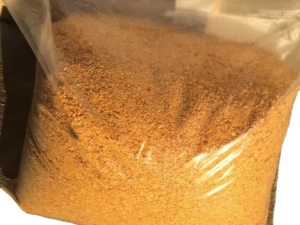
Yellow Corn (Feed Grade Maize) is a high-energy, digestible carbohydrate source and the global benchmark ingredient for monogastric and ruminant feed formulations. Its primary industrial application is as a basal ingredient in compound feeds, concentrates, and premixes for poultry, swine, cattle, and aquaculture. The key value proposition is its consistent metabolizable energy (ME) profile and superior starch digestibility, which directly translates to optimized feed conversion ratios (FCR) and lower cost per kilogram of weight gain—making it a strategically indispensable commodity for industrial-scale animal protein production.
2. Key Specifications & Technical Characteristics
-
Chemical Composition: Starch (62–68% min), Crude Protein (7.5–8.5% as-is basis), Crude Fat (3.5–4.2%), Crude Fiber (≤2.5%), Moisture (≤14% max for mold-safe storage)
-
Mycotoxin Management: Total Aflatoxin ≤20 ppb (or ≤10 ppb for dairy/premium feed), Deoxynivalenol (DON) ≤5 ppm, Fumonisin ≤60 ppm — per international export standards
-
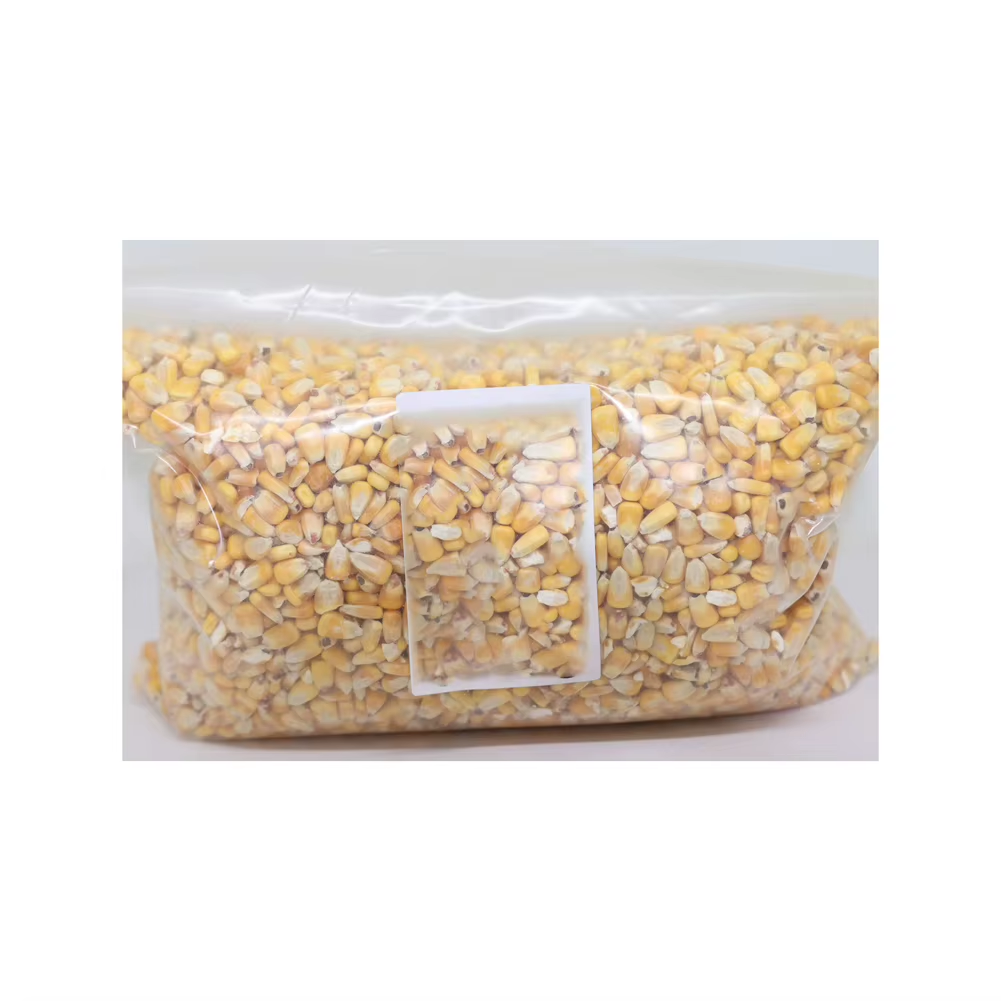
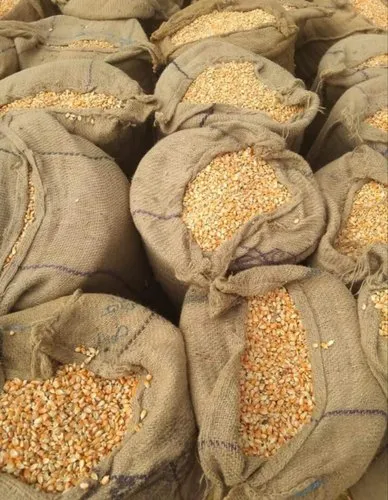
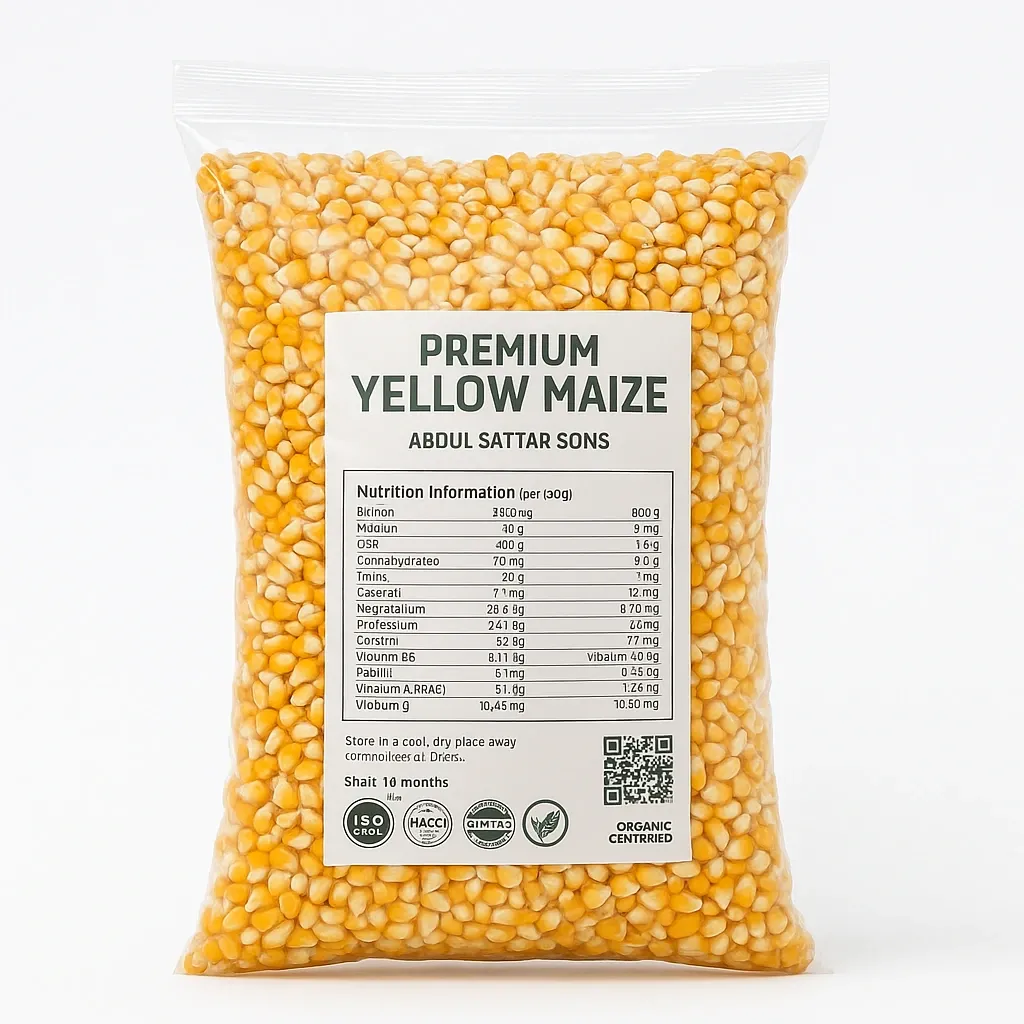
Physical Characteristics: Whole kernel, #2 or #3 grade yellow dent corn; uniform bright yellow color; minimal broken kernels (≤3–5%); bulk density 720–780 g/L (test weight 54–56 lb/bu)
-
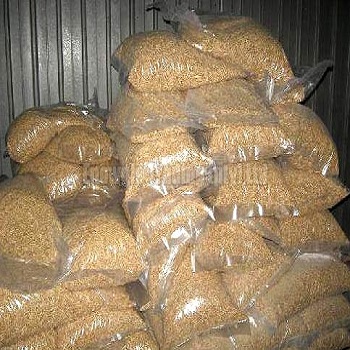
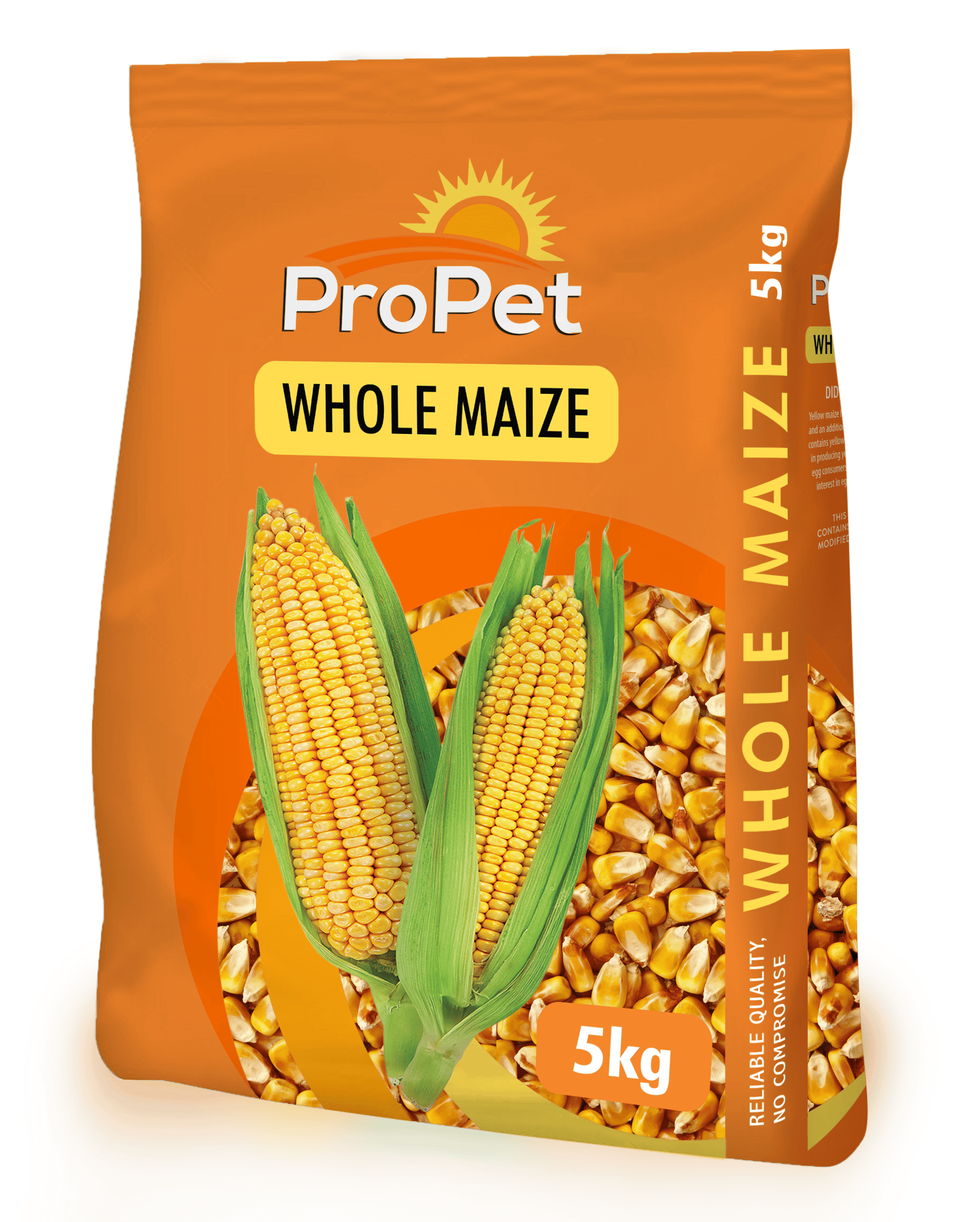
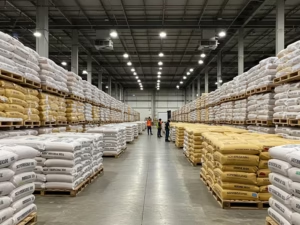
Packaging Options: Bulk vessel / hopper railcar / pneumatic truck; also available in 25kg or 50kg multi-wall paper or PP woven bags with moisture barrier liner (for smaller B2B lots)
-
Shelf Life: 12 months from harvest when stored in dry, aerated silos at ≤14% moisture and ≤20°C; 24 months for steam-flaked or crimped variants
3. Core Industrial Applications
-
Primary Industries: Intensified poultry & swine farming, large-scale dairy operations, aquafeed manufacturers, and pet food extrusion.
-
Operational Use Cases: (1) Base ration for broilers and layers (providing 80% of ME requirement); (2) High-starch finishing diets for swine to improve marbling; (3) Flaked or steam-rolled corn for dairy TMR (total mixed ration) to reduce subacute ruminal acidosis; (4) Partial substitute for wheat in extruded aquafeeds for tilapia and carp.
-
Performance vs. Alternatives: Compared to wheat or barley, yellow corn offers lower non-starch polysaccharides (NSPs), reducing gut viscosity in poultry. Its higher xanthophyll content eliminates synthetic pigment costs for egg yolks and broiler skin. With superior starch gelatinization under steam flaking (70–75% vs. 50–55% for sorghum), it delivers 5–8% better feed efficiency at equal cost basis.
4. Competitive Advantages
-
Quality Consistency: Every shipment verified via NIR (Near-Infrared Reflectance) spectrometry for protein, moisture, and mycotoxins. Sourcing from dedicated non-GMO and conventional supply chains with quarterly third-party lab reports.
-
Supply Reliability: Global origination network covering Black Sea, South America (Brazil/Argentina), and Midwestern US. Dedicated supply buffer of 50,000+ MT in strategic bonded warehouses.
-
Logistics Capability: Multimodal execution – Handymax/Supramax bulk carriers (25,000–45,000 MT), 20ft containers ventilated (22–24 MT per container), or hopper trucks for regional JIT deliveries.
-
Price Competitiveness: Real-time CBOT-linked pricing with volume discounts and prepay/LC structures. Fixed-price contracts up to 6 months.
-
Sustainability & Technical Data: Full disclosure of carbon footprint per MT (land use change aligned with GFLI methodology). Free access to near-infrared calibration curves for in-house QC testing.
5. Commercial & Supply Information
-
Minimum Order Quantity (MOQ): BULK 20MT (equivalent to one full truckload or one standard 20ft container lot)
-
Loading Capacity: 22–24 MT per 20ft standard ventilated container (palletized vs. bulk bagged); 25,000–45,000 MT per Handymax/Supramax bulk vessel
Reviews
There are no reviews yet.