
Description
1. Product Overview
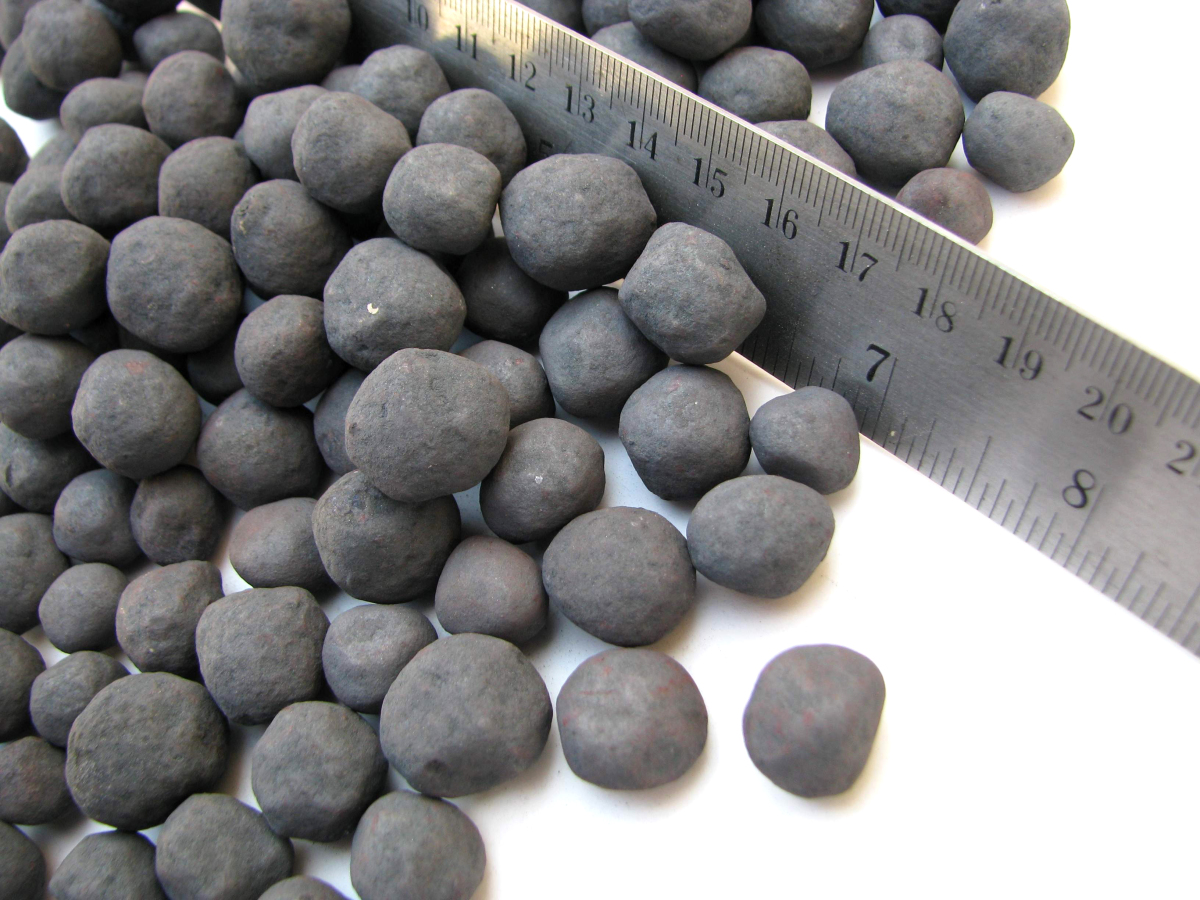
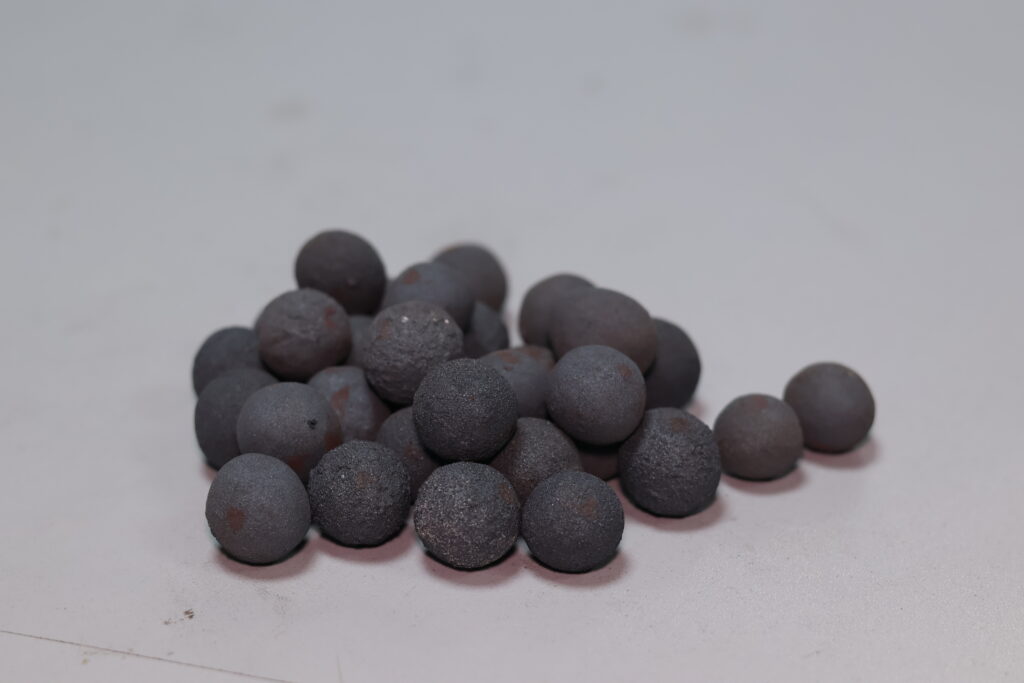
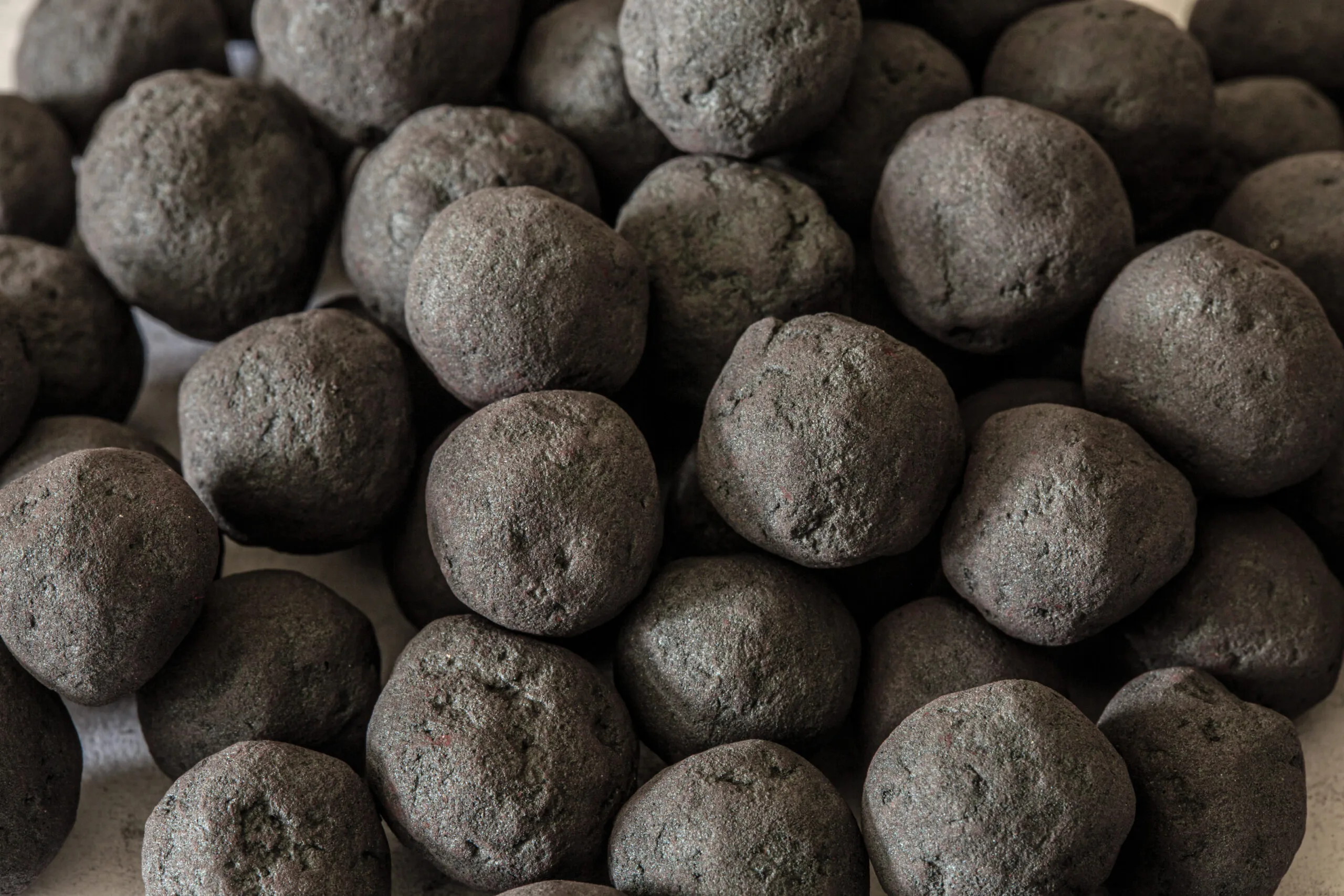
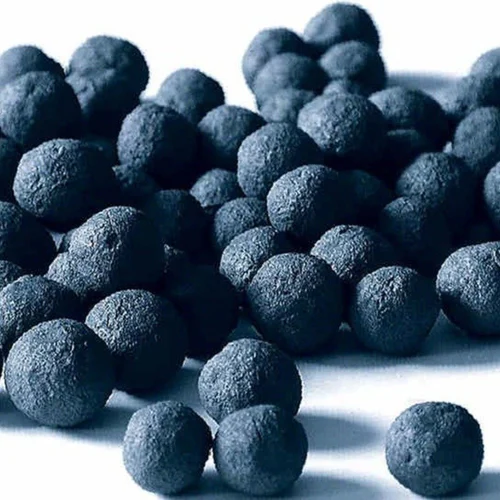
Iron Ore Pellets (High Grade) are premium, spherical agglomerates of fine iron ore concentrate, produced through a controlled thermal induration process. They serve as the primary ferrous feedstock for blast furnaces (BF) and direct reduction (DR) plants in steelmaking. The key value proposition is superior metallurgical performance: high iron (Fe) content, low gangue (silica/alumina), and optimal mechanical strength, enabling increased steel yield and reduced energy consumption per ton. Strategically, these pellets are critical as steelmakers transition toward lower-carbon processes, given their compatibility with hydrogen-based direct reduced iron (DRI) technologies.
2. Key Specifications & Technical Characteristics
-
Chemical Composition:
-
Fe (total): 65% – 68% (dry basis)
-
SiO₂: 2.0% – 4.5% (depending on source)
-
Al₂O₃: ≤ 1.2%
-
P: ≤ 0.03%
-
S: ≤ 0.01%
-
Loss on Ignition (LOI): ≤ 1.0%
-
-
Purity / Grade: High-Grade DR-Grade / BF-Grade (ISO 11323 compliant)
-
Physical Characteristics:
-
Form: Spherical pellets
-
Color: Dark gray to black
-
Pellet size: 10–16 mm (typical); 6–20 mm range
-
Bulk density: 2.2 – 2.4 t/m³
-
Apparent density: 3.4 – 3.6 g/cm³
-
Compression strength: ≥ 250 kg/pellet (ISO 4700)
-
Tumble index (TI): ≥ 94% (ISO 3271)
-
Reduction disintegration index (RDI): ≤ 15%
-
-
Packaging Options: Bulk vessel cargo (no packaging per se); sampling reports provided per 5,000 MT sub-lot. Upon request: 1.5 MT big bags for specialty mills.
-
Shelf Life: Indefinite when stored in dry, protected conditions. Avoid prolonged exposure to moisture.
3. Core Industrial Applications
-
Primary Industry: Steel manufacturing (integrated and mini-mills)
-
Specific Use Cases:
-
Blast furnace burden (30–50% pellet ratio, up to 100% in some high-efficiency furnaces)
-
Direct Reduction (DRI) plants for producing feed for electric arc furnaces (EAF)
-
Hydrogen-based steelmaking trials (low gangue essential for green H₂-DRI)
-
-
Performance Advantage vs. Alternatives (sinter / lump ore):
-
Higher iron unit yield per ton charged → lower slag volume
-
Uniform size and shape → better gas permeability in furnace
-
Lower reduction degradation → fewer fines, less dust loss
-
Energy savings: ~10–15% lower coke consumption per ton of hot metal
-
CO₂ reduction potential: Essential for DR-grade routes, enabling up to 40% less direct emissions versus sinter-based blast furnace
-
4. Competitive Advantages
-
Quality Consistency: ISO-certified process control; each shipment includes certified mill test reports (MTR) with lot-specific chemistry and physicals.
-
Supply Reliability: Long-term off-take agreements with tier-1 mining houses; ability to ship 150,000+ MT per month via Capesize or Panamax vessels.
-
Logistics Capability: Pre-cleared major export ports (Brazil, Sweden, Canada); real-time vessel tracking and just-in-time delivery options for integrated mills.
-
Price Competitiveness: Transparent index-linked pricing (Platts IODEX, TSI) with hedging flexibility and multi-year volume discounts.
-
Sustainability Benefits: Low silica/alumina reduces slag formation and lime consumption; eligible for green steel certification pathways if paired with renewable energy in reduction.
-
Technical Support: Dedicated metallurgical advisory team for furnace optimization, burden calculation modeling, and DRI plant trials.
5. Commercial & Supply Information
-
Minimum Order Quantity (MOQ): 20,000 MT (one Panamax partial cargo)
-
Bulk Loading Capacity per shipment: Up to 180,000 MT (Capesize vessel) / 75,000 MT (Panamax vessel)
-
Capacity per 20-ft container: Not applicable – bulk dry bulk shipping only. For big bag option: 20–22 MT per 20-ft flat-rack container (with liner bag), but not standard.
Reviews
There are no reviews yet.