
Description
1. Product Overview
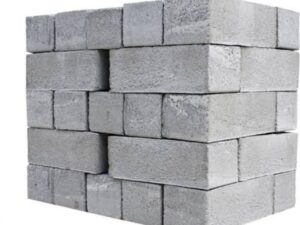
The Precast Concrete Block for Site Structures is a high-strength, factory-engineered modular building component designed for rapid on-site assembly of industrial and infrastructure facilities. Its primary industrial use includes the construction of substations, pump houses, telecom shelters, security checkpoints, and hazardous material storage units. The key value proposition is a 60% reduction in on-site construction time and labor costs compared to cast-in-place methods, while delivering superior dimensional consistency and load-bearing performance. Strategically, this product is critical for capital project owners seeking to mitigate schedule risk, control quality in remote logistics, and achieve repeatable, code-compliant site structures across global portfolios.
2. Key Specifications & Technical Characteristics
-
Material Components: High-grade Portland cement (ASTM C150 / EN 197-1 compliant), washed silica aggregates, polypropylene microfibers (for shrinkage control), and Grade 60 steel rebar reinforcement (Epoxy-coated option available for corrosive environments).
-
Compressive Strength: Achieves 40–55 MPa (5,800–8,000 psi) at 28 days, exceeding standard structural requirements for site buildings.
-
Physical Characteristics:
-
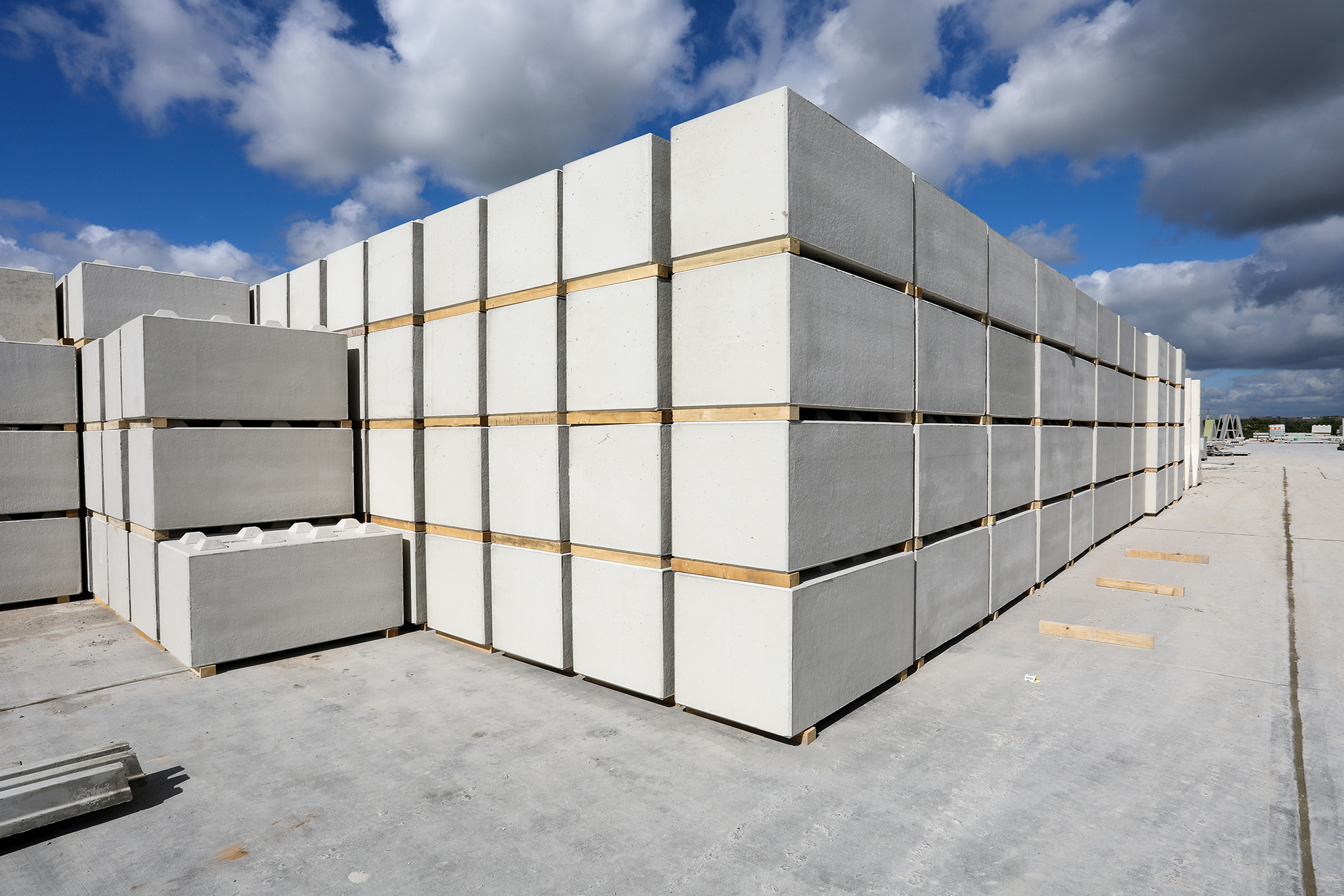
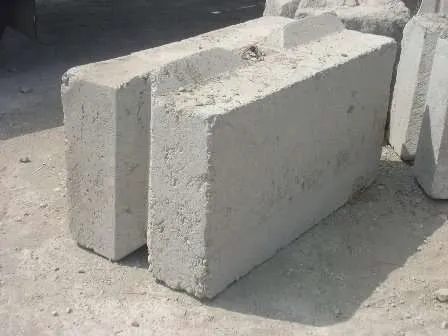
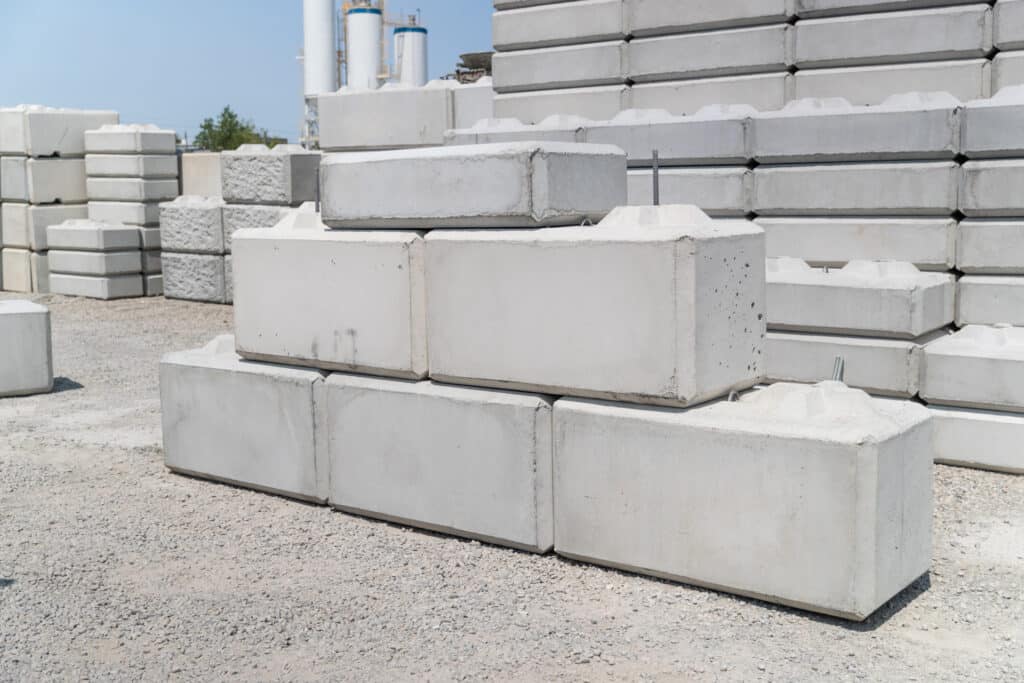
Form: Rectangular modular blocks with tongue-and-groove or flat-joint edges; available in solid or cored configurations.
-
Color: Standard light gray (integral pigment optional).
-
Particle size of aggregate: Max 9.5 mm (3/8 in) for consistent finish.
-
Density: 2,400 kg/m³ (150 lb/ft³) – standard weight; lightweight options available.
-
-
Tolerances: ±2 mm on critical dimensions (length, width, height); ±1 mm on joint interfaces.
-
Packaging Options: Steel-strapped pallets (wrapped in industrial-grade polyethylene); edge protectors and corner guards for export; container-fit stacking frames.
-
Shelf Life: Indefinite when stored per guidelines; performance warranty 12 months from delivery if kept dry and free from freeze-thaw cycling.
3. Core Industrial Applications
-
Primary Industries: Energy & utilities (substations, generator enclosures), telecommunications (remote equipment shelters), water/wastewater (pump station housings), mining (explosives magazines), and military/defense (secure checkpoints).
-
Operational Use Cases:
-
Rapid deployment of weatherproof equipment enclosures in grid-constrained locations.
-
Modular expansion of industrial control rooms requiring EMI shielding and blast resistance.
-
Corrosion-resistant chemical storage cells with secondary containment geometry.
-
-
Performance Advantages vs. Alternatives:
-
Compared to cast-in-place concrete: 3x faster assembly; no curing delays; zero weather-related downtime.
-
Compared to shipping containers: Superior insulation (R-value ≥15 integrated), custom embedded conduits, and fire rating up to 4 hours.
-
Cost advantage: Reduces on-site skilled labor by up to 70%; eliminates formwork, rebar tying, and finishing trades.
-
4. Competitive Advantages
-
Quality Consistency: ISO 9001:2025 certified plants with automated batching and laser-guided mold verification; every third block undergoes ultrasonic non-destructive testing.
-
Supply Reliability: Multi-continent production hubs (Asia, MENA, Europe, LatAm) ensuring 98% on-time-in-full (OTIF) performance over 150+ infrastructure projects.
-
Logistics Capability: Pre-engineered for standard 20FT and 40FT container loading; block designs optimized for double-stacking and shock-resistant dunnage.
-
Price Competitiveness: Tiered pricing based on annual volume (≥5,000 MT) with landed cost guarantees; fixed pricing windows up to 12 months.
-
Sustainability & Environmental Benefits: Up to 30% fly ash or slag substitution available (reducing CO₂ by 25% per block); 100% recyclable at end-of-life; contributes to LEED v4 MR Credit 4.
-
Technical Support & Documentation: Full engineering package (shop drawings, structural calcs, thermal/U-value reports, BIM objects, and installation method statements) provided pre-shipment.
5. Commercial & Supply Information
-
Minimum Order Quantity (MOQ): 20 MT (approx. one standard mixed-size pallet configuration per product family)
-
Bulk Order Threshold: 20 MT – full container load (FCL) pricing applies from this quantity
-
Loading Capacity (MT per container):
-
20FT Dry Container: 22 MT net (max theoretical, varies by block density and geometry)
-
40FT High-Cube Container: 26 MT net (subject to weight distribution and local road limits)
-
Note: Actual loading optimized per block shape – typical commercial loading is 20–24 MT per 20FT container for standard solid blocks.
-


Reviews
There are no reviews yet.