
Description
1. Product Overview
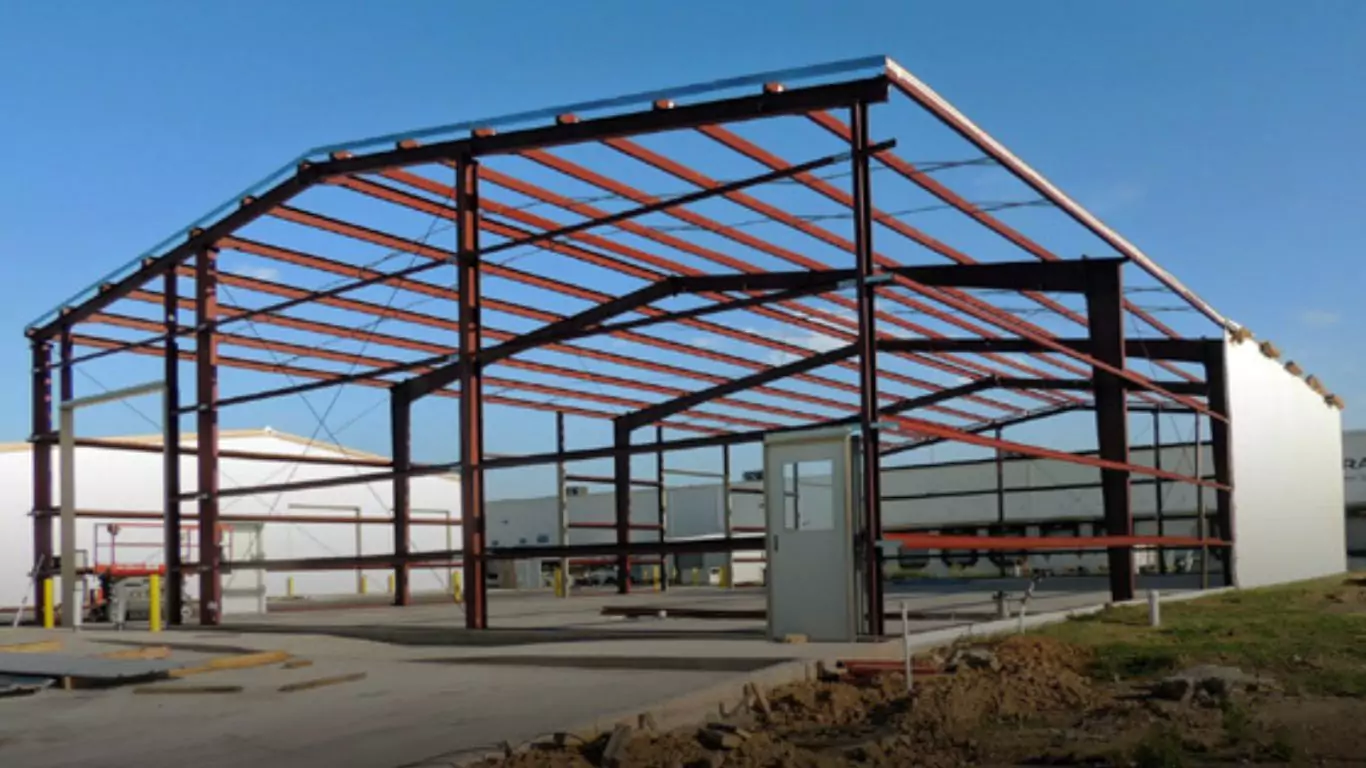
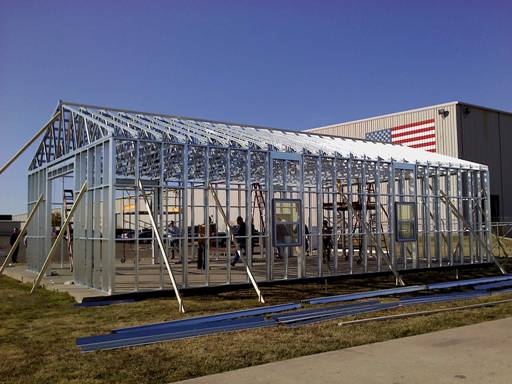
This product is a computer-aided, factory-fabricated steel building system comprising primary and secondary framing, bracing, sheeting, and connection components engineered for rapid on-site assembly. It serves primary industrial applications such as manufacturing plants, warehousing, aircraft hangars, and cold storage facilities. The key value proposition is a 30–50% reduction in construction timeline and total erected cost compared to conventional reinforced concrete or structural steel buildings. Strategically, it enables capital project certainty—budget, schedule, and performance—critical for global supply chain expansion and reshoring initiatives.
2. Key Specifications & Technical Characteristics
-
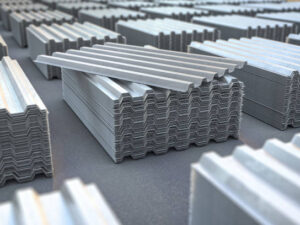
Material components: Primary framing—Q355B / ASTM A572 Gr. 50 steel; Secondary framing—Q235B / ASTM A36; Fasteners—Grade 8.8 galvanized; sheeting—pre-painted AZ150 aluminum-zinc coated steel (0.4–0.8 mm)
-
Grade / Standard: GB/T 6723-2017, EN 1090 (EXC2), ASTM AISC, ISO 9001:2015 certified fabrication
-
Physical characteristics:
-
Form: Pre-welded, bolted, or riveted modular sections (columns, rafters, purlins, girts)
-
Color: RAL 9002, 1015, 3009, or custom (PVDF/SMP coating)
-
Coating thickness: 25–35 µm (zinc), top coat 20–25 µm
-
Density of steel: 7,850 kg/m³
-
-
Packaging options: Export-grade steel pallets + fumigated wooden crates; separation with plastic wrap + edge protectors; color-labeled by assembly zone (A, B, C)
-
Shelf life: Indefinite for steel components if stored dry (humidity <60%); coating warranty 10–20 years depending on environment
3. Core Industrial Applications
-
Primary industries: Logistics & warehousing, heavy manufacturing, automotive assembly, cold chain, mining & mineral processing, commercial agriculture (poultry/dairy buildings)
-
Specific operational use cases:
-
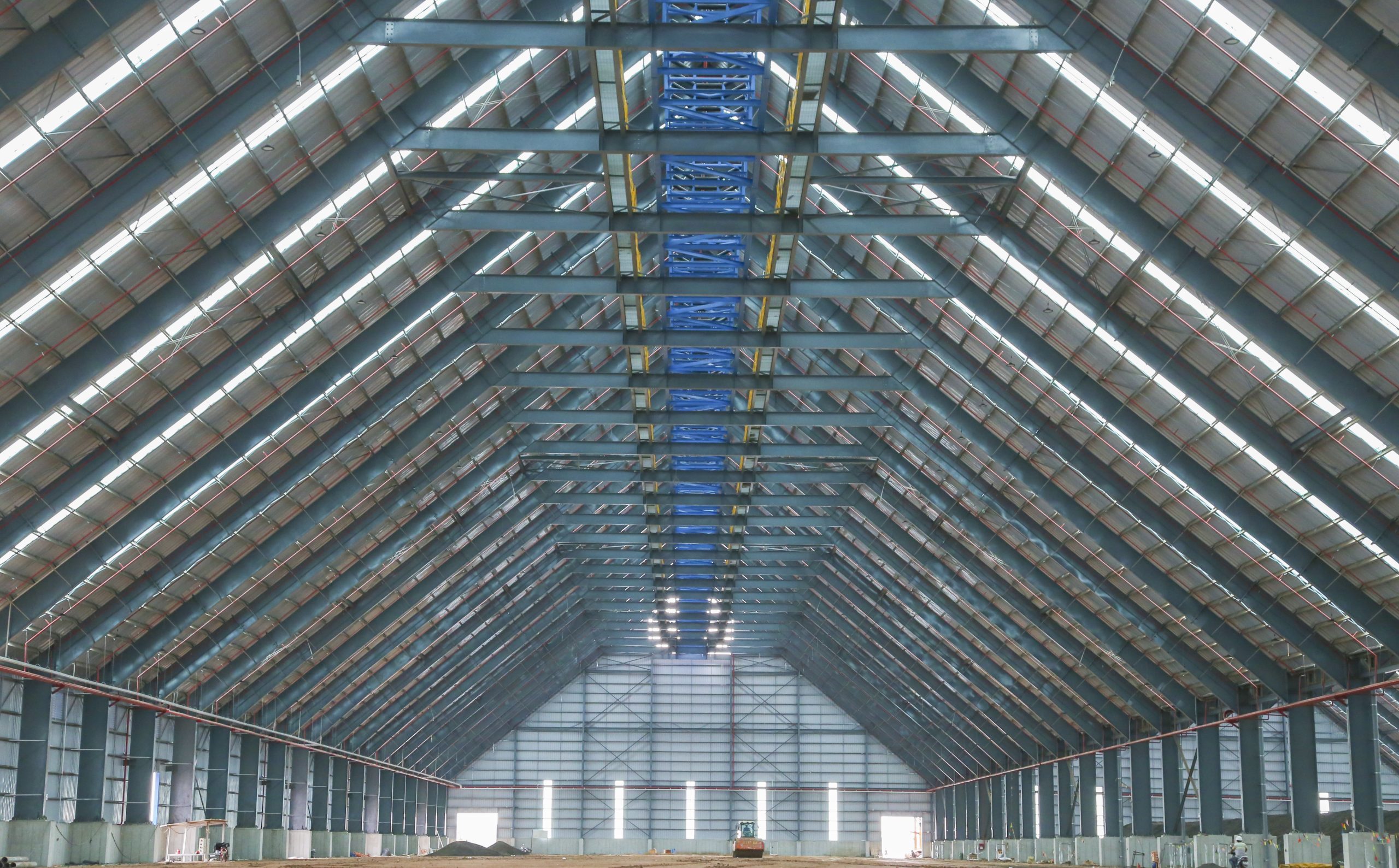
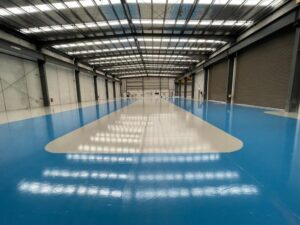
Warehousing: Clear-span interior up to 60 m without columns → maximizes vertical storage and forklift maneuverability
-
Cold storage (-10°C to -30°C): Thermal break connection details reduce condensation and thermal bridging → 18–22% energy savings vs. conventional steel
-
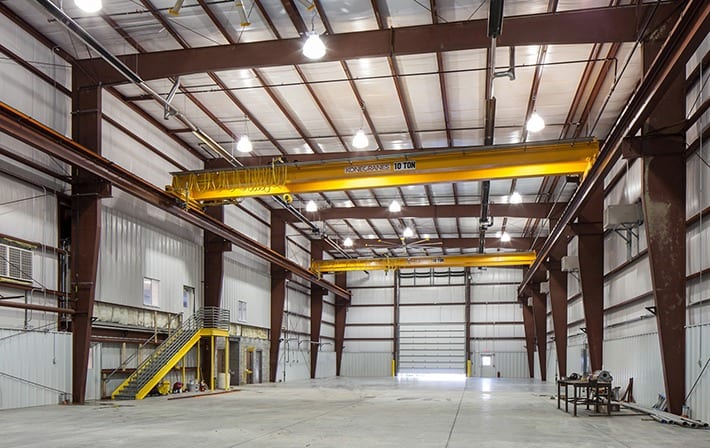
Heavy manufacturing (e.g., forging presses): Crane capacity up to 50-ton EOT cranes with integrated runway beam design → eliminates separate structural support
-
-
Why better than alternatives: Pre-punched connection holes, cambered rafters, and drilled base plates reduce field welding by >90%. Bolt-up assembly requires 60% less skilled labor compared to site-welded structures.
4. Competitive Advantages
-
Quality consistency: 100% ultrasonic testing (UT) on primary weld seams; dimensional tolerance ±2 mm over 12 m length per ISO 2768-m.
-
Supply reliability: Dedicated monthly rolling capacity of 8,000 MT from three integrated mills; 24/7 digital order tracking and advanced shipping notice (ASN).
-
Logistics capability: In-house packing engineering reduces containerized damage rate to <0.3% (industry average ~1–2%). Port-to-site trucking coordination available for 40+ countries.
-
Price competitiveness: Vertical integration (mining → smelting → rolling → coating → fabrication) removes intermediate trader markups → typically 12–18% below branded European alternatives with equivalent AISC spec.
-
Sustainability: 97% steel content recyclable at EOL; low-VOC coating (<100 g/L); EPD available upon request. No site-painting waste.
-
Technical support: Full Revit, Tekla, and AutoCAD shop drawings; stamped engineering calculations for wind load (up to 200 km/h) and seismic zone 4.
5. Commercial & Supply Information
-
Minimum Order Quantity (MOQ): 20 metric tons per building project (smallest single building approx. 400 m² → ~20 MT)
-
Bulk loading capacity: 24–26 metric tons per standard 20 ft container (depending on secondary member packing density); for entire building project >100 MT → flat-rack or break-bulk vessel with 20–25 MT per bundle, multiple bundles per vessel.
Reviews
There are no reviews yet.