
Description
1. Product Overview
Hazard Labeling Materials — Regulatory are specialized industrial-grade labeling systems designed to ensure full compliance with global chemical safety and transport regulations, including GHS, CLP, OSHA, and UN standards. These materials are used for the identification, classification, and communication of hazardous substances across manufacturing, storage, and logistics operations. The key value proposition lies in delivering durable, regulation-compliant labeling solutions that reduce compliance risk, enhance safety, and streamline inspection readiness. Strategically, these materials are essential for companies operating in regulated industries where accurate hazard communication is critical to operational continuity and legal compliance.
2. Key Specifications & Technical Characteristics
- Material Composition:
- High-performance polymer films (e.g., polyester, polypropylene, vinyl)
- Industrial-grade adhesives (permanent or removable)
- UV-resistant inks and coatings
- Optional lamination layers for chemical and abrasion resistance
- Compliance Standards:
- Globally Harmonized System (GHS) compliant
- OSHA Hazard Communication Standard (HCS) compatible
- CLP (EU Classification, Labeling and Packaging) compliant
- UN transport labeling requirements (ADR, IMDG, IATA)
- Physical Characteristics:
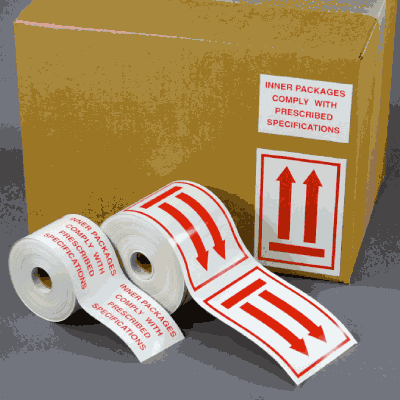
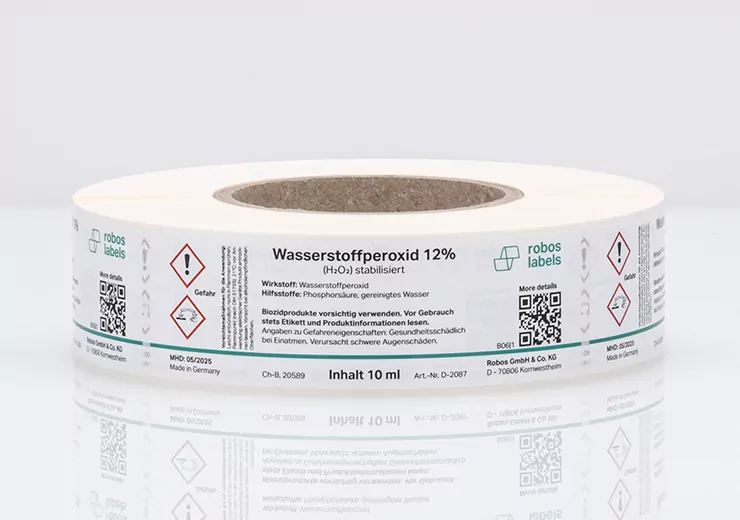
- Form: Labels, tags, placards, and rolls
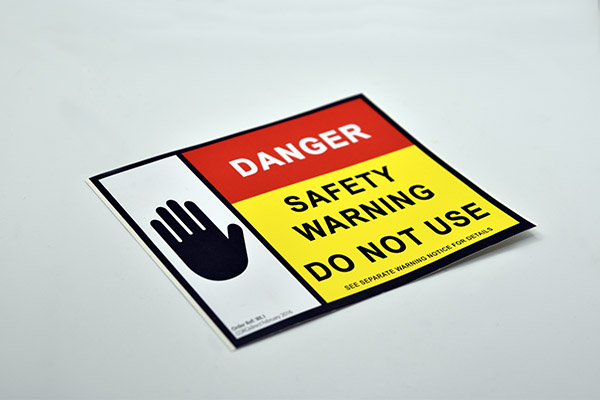
- Color: Standardized hazard colors (red, black, white, yellow, etc.)
- Print: High-resolution symbols, pictograms, and text
- مقاومة: مقاومة للمواد الكيميائية، الماء، الأشعة فوق البنفسجية، والتآكل
- Adhesion: High-bond adhesion to metal, plastic, and drum surfaces
- Packaging Options:
- Rolls (custom lengths and widths)
- Pre-cut label sheets
- Bulk cartons for industrial use
- Custom-printed labeling kits
- Shelf Life:
- Typically 2–5 years under controlled storage conditions
- Performance durability maintained under industrial exposure environments
3. Core Industrial Applications
Primary Industries:
- Chemical manufacturing and distribution
- Oil & gas and petrochemical operations
- Pharmaceuticals and specialty chemicals
- Logistics, shipping, and freight forwarding
- Waste management and hazardous material handling
Operational Use Cases:
- Labeling of chemical containers, drums, tanks, and pipelines
- Hazard identification for transport and storage compliance
- Workplace safety labeling in production and storage facilities
- Export documentation alignment with international shipping regulations
Performance & Cost Advantages:
Hazard labeling materials deliver superior durability compared to standard labels, maintaining legibility and adhesion under extreme chemical, thermal, and environmental conditions. This reduces the need for frequent relabeling, lowers compliance risk, and minimizes operational disruptions. For industrial buyers, the result is improved safety performance, audit readiness, and long-term cost efficiency.
4. Competitive Advantages
- Quality Consistency: Precision manufacturing ensures uniform print clarity and adhesive performance
- Supply Reliability: Scalable production capacity supporting high-volume industrial demand
- Logistics Capability: Global distribution with rapid fulfillment and custom labeling solutions
- Price Competitiveness: Cost-effective solutions for bulk regulatory compliance needs
- Sustainability Benefits: Availability of eco-friendly substrates and low-VOC printing options
- Technical Documentation: Full compliance documentation, certification references, and labeling guidelines provided
Positioned as a strategic compliance solution, hazard labeling materials enable organizations to mitigate regulatory risk, ensure worker safety, and maintain uninterrupted global operations.
5. Commercial & Supply Information
- Minimum Order Quantity (MOQ): BULK 20MT
- Loading Capacity (MT per container): Approximately 20–26 MT per 20’ container (depending on packaging format and material type)


Reviews
There are no reviews yet.