
Description
1. Product Overview
Methacrylated epoxidized soybean oil (MESO) is a high-performance, bio-based reactive diluent and crosslinking monomer derived from sustainably sourced soybean oil. It is primarily used to modify thermoset resin systems—such as UV-curable coatings, adhesives, and composites—to enhance flexibility, toughness, and adhesion without compromising cure speed or VOC compliance. As global regulations tighten around petroleum-based styrene and reactive diluents, MESO offers a strategic, low-toxicity alternative that reduces carbon footprint while improving mechanical resilience in demanding industrial applications.
2. Key Specifications & Technical Characteristics
-
Chemical composition: Methacrylated fatty acid esters of epoxidized soybean oil (typical methacrylation degree > 85%)
-
Purity / Grade: Industrial technical grade; low residual epoxy oxygen content (< 0.5%)
-
Physical characteristics:
-
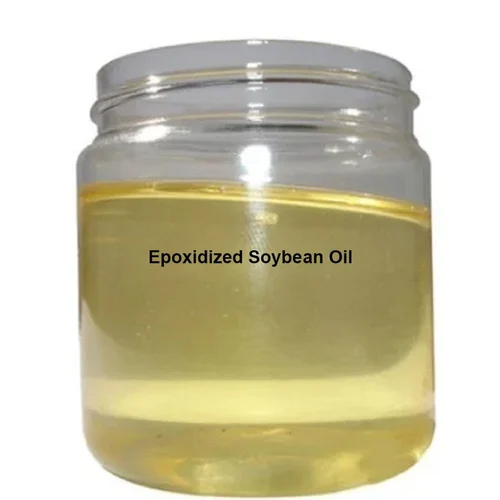
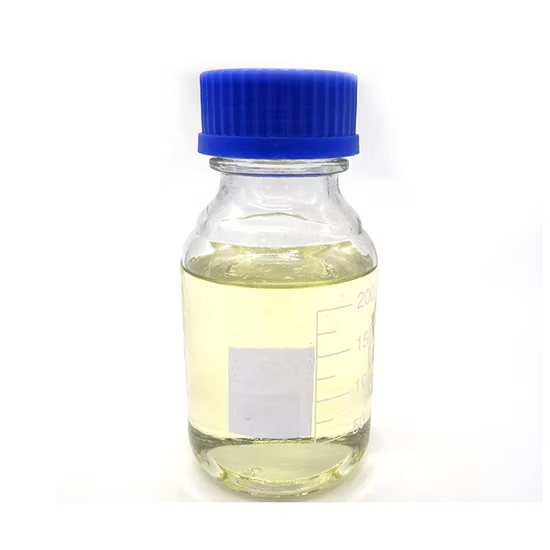
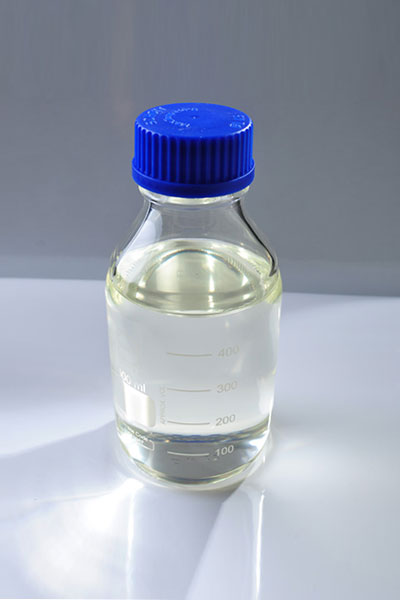
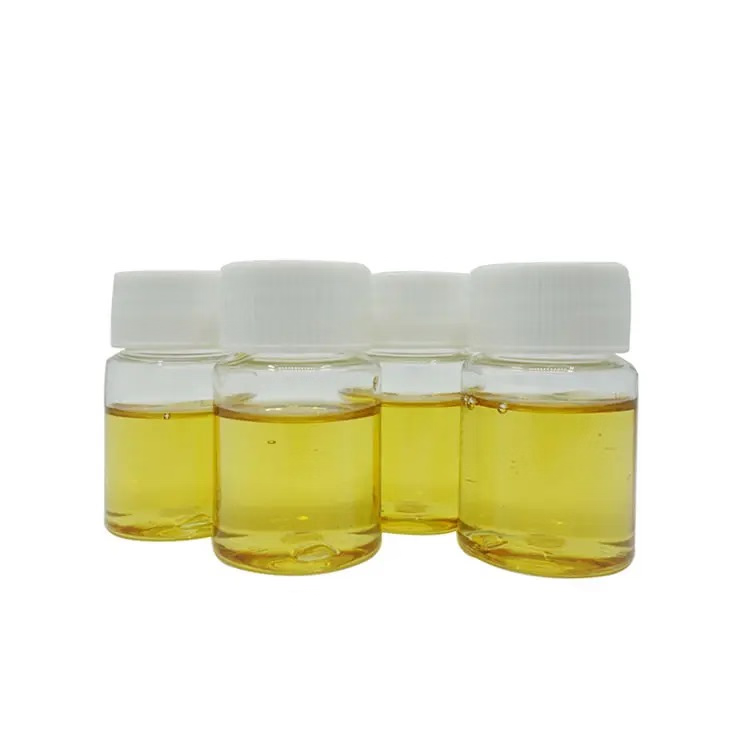
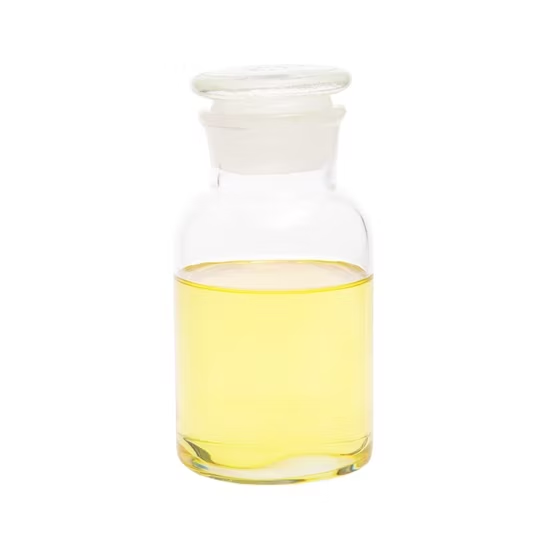
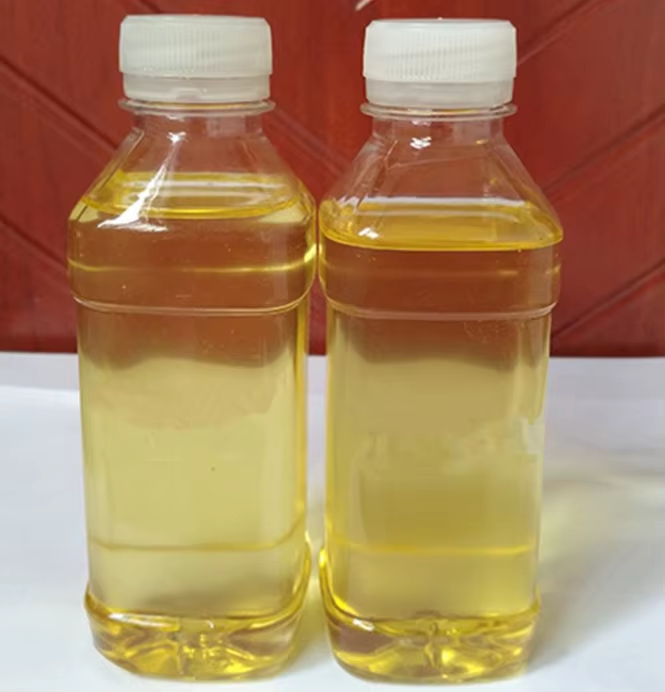
Appearance: Pale yellow to amber viscous liquid
-
Viscosity (25°C): 800–2,500 cP (Brookfield)
-
Density (25°C): 1.02–1.06 g/cm³
-
Functionality: 3–4 methacrylate groups per molecule (average)
-
-
Packaging options: 200 kg net steel drums, 1,000 kg IBC totes, bulk flexitanks (20 MT per container)
-
Shelf life: 12 months from date of manufacture when stored in original unopened containers at 5–35°C, away from direct sunlight and initiators
3. Core Industrial Applications
-
UV/EB-curable coatings (primary industry): Used as a reactive diluent in wood, metal, and plastic coatings to replace high-VOC monomers (e.g., TPGDA, HDDA). MESO improves impact resistance and interlayer adhesion while maintaining cure response.
-
Structural adhesives & sealants: Enhances flexibility and peel strength in anaerobic and radiation-cured adhesives for automotive and electronics assembly—outperforming conventional epoxy acrylates in low-shrinkage requirements.
-
Additive manufacturing (3D printing resins): Incorporated into photopolymer resins to reduce brittleness in printed parts, enabling functional prototypes and end-use components with better elongation at break (> 50% improvement over standard acrylic resins).
-
Composite matrices: Serves as a toughening agent in unsaturated polyester and vinyl ester resins for pultruded profiles and sheet molding compounds (SMC), improving crack resistance without significant loss of modulus.
4. Competitive Advantages
-
Quality consistency: ISO 9001:2025-certified production with batch-to-batch viscosity and methacrylation index control; each shipment accompanied by Certificate of Analysis (CoA) including FTIR and GPC data.
-
Supply reliability: Dual-sourcing of epoxidized soybean oil feedstock and redundant manufacturing lines in North America and EU; 98% on-time-in-full (OTIF) delivery track record.
-
Logistics capability: Global hazardous cargo classification (non-regulated as non-dangerous good under most jurisdictions); flexible incoterms (FOB, CIF, DAP) with expedited customs documentation.
-
Price competitiveness: 15–20% cost advantage over specialty bio-based acrylates (e.g., methacrylated lauric acid) due to high-volume soybean oil feedstock; stable quarterly pricing via long-term agricultural supply contracts.
-
Sustainability benefits: 62% bio-renewable carbon content; contributes to LEED v4 and REACH/EPA Safer Choice compliance; reduces carbon footprint by ~35% vs. petroleum-based reactive diluents.
-
Technical support: In-house applications lab offering formulation optimization, compatibility testing (with photoinitiators, stabilizers), and regulatory support (TSCA, EU REACH, China IECSC).
5. Commercial & Supply Information
-
Minimum order quantity (MOQ): 20 MT (one full flexitank or 100 drums) for standard grade; 5 MT available for trial orders at 10% premium
-
Bulk loading capacity: 20 MT per 20-foot dry container (flexitank) or 18 MT per 20-foot container (IBC totes / drums palletized)
Reviews
There are no reviews yet.