
Description
1. Product Overview
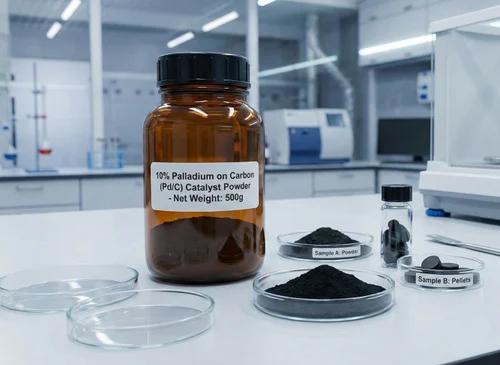
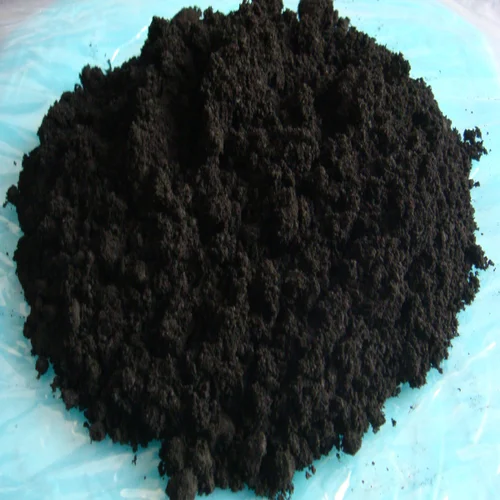
Palladium-on-carbon (Pd/C) is a high-activity, heterogeneous hydrogenation catalyst comprising palladium nanoparticles uniformly dispersed on high-surface-area activated carbon. It serves as the industry benchmark for selective reduction, cross-coupling, and hydrogenolysis reactions across pharmaceutical, agrochemical, and fine chemical manufacturing. The key value proposition is its superior catalytic efficiency, recyclability, and ease of separation, delivering lower noble-metal loading per batch and reduced production costs. Strategically, securing a reliable Pd/C supply is critical for supply chain resilience amid palladium price volatility and tightening environmental regulations on metal discharge.
2. Key Specifications & Technical Characteristics
-
Chemical composition: Palladium (0.5% – 10% w/w) on high-purity activated carbon support (surface area ≥1000 m²/g)
-
Purity level: Pd purity ≥99.9%; total metallic impurities <500 ppm (Fe, Ni, Cu, Zn individually <50 ppm)
-
Physical characteristics:
-
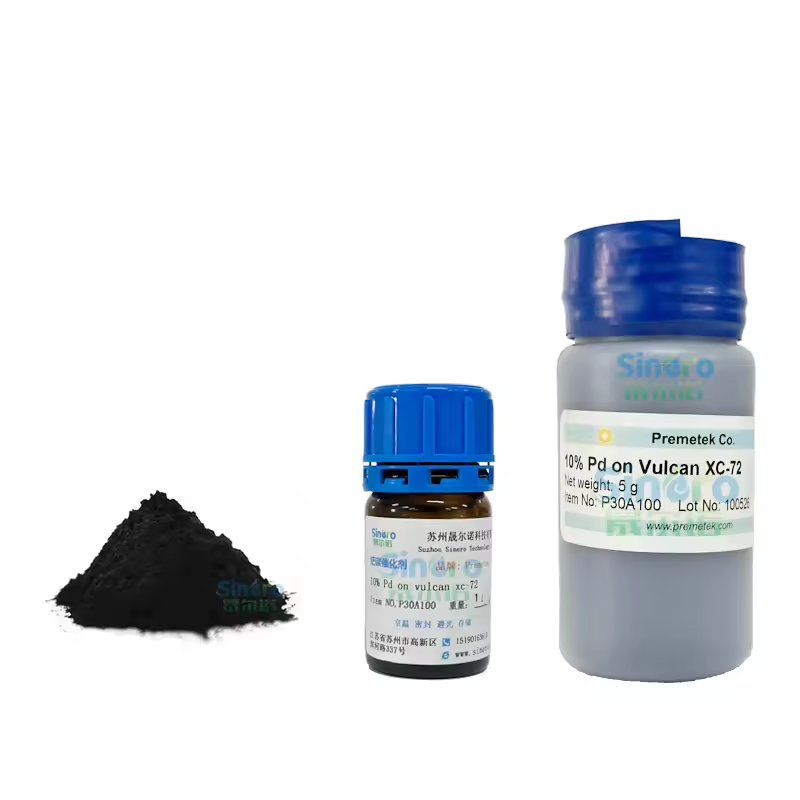
Form: Wet (50–70% water content) or dry powder
-
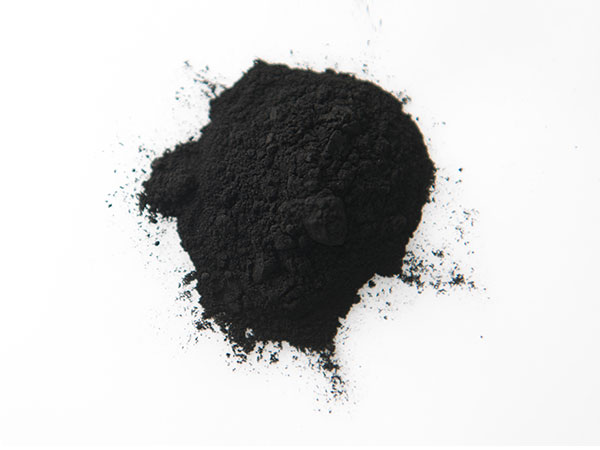
Color: Black to dark grey
-
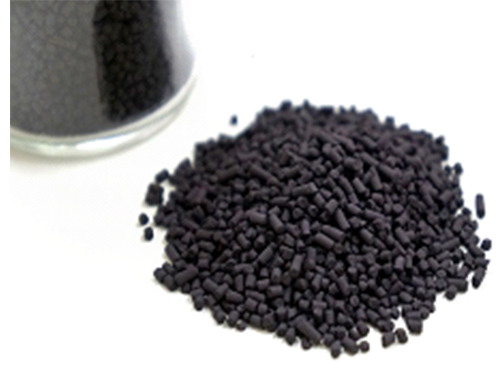
Particle size (D90): 20–50 µm (powder); 1–3 mm (granular)
-
Bulk density: 300–600 g/L
-
-
Packaging options: 1 kg, 5 kg, 25 kg HDPE pails; 100 kg fiber drums; 500 kg bulk bags (inert gas overlay available)
-
Shelf life: 24 months when stored sealed in cool, dry, non-acidic environment (≤25°C, <60% RH)
3. Core Industrial Applications
-
Pharmaceuticals: Hydrogenation of nitroarenes to anilines, reductive amination, and debenzylation – Pd/C enables >99.5% conversion with <0.1% over-reduction byproducts, outperforming Raney nickel in selectivity and handling safety.
-
Agrochemicals: Synthesis of herbicides (e.g., metolachlor) and fungicides – continuous-flow Pd/C systems achieve 30% higher space-time yield vs. Pd/Al₂O₃ due to carbon’s mesoporous structure reducing mass transfer limitations.
-
Fine & specialty chemicals: Cross-coupling (Suzuki, Heck) and hydrogenolysis of benzyl protecting groups – Pd/C allows catalyst recovery by simple filtration, cutting noble-metal costs by 40–60% compared to homogeneous Pd complexes.
4. Competitive Advantages
-
Quality consistency: Lot-to-lot Pd loading ±0.05% absolute; ICP-OES certification with each shipment.
-
Supply reliability: Dual-sourced palladium (ISO 14001 refineries) and in-house carbon activation → lead time ≤4 weeks globally.
-
Logistics capability: UN-approved packaging (Class 4.2 dangerous goods) with real-time tracking; warehouse hubs in North America, EU, and Asia.
-
Price competitiveness: Fixed quarterly pricing contracts available, leveraging 20+ MT annual off-take agreements with Russian and South African refiners.
-
Environmental benefits: 95% palladium recovery program via spent catalyst buy-back; carbon support derived from FSC-certified coconut shell.
-
Technical support: Free reaction screening (up to 5 substrates); full MSDS, handling SOPs, and spent catalyst disposal guidance.
5. Commercial & Supply Information
-
Minimum order quantity (MOQ): 1 kg (dry basis) for standard grades; 10 kg for custom Pd loadings (0.3%–15%)
-
BULK 20MT loading capacity: Not applicable – Palladium-on-carbon is a high-value, low-volume catalyst. Bulk shipments are dispatched in 400 kg per 20 ft container (16 fiber drums on pallets, net catalyst weight). For large campaigns, supply capacity is 2 MT per month per production line.
Reviews
There are no reviews yet.