
Description
Palladium-on-Carbon Catalyst (Pd/C)
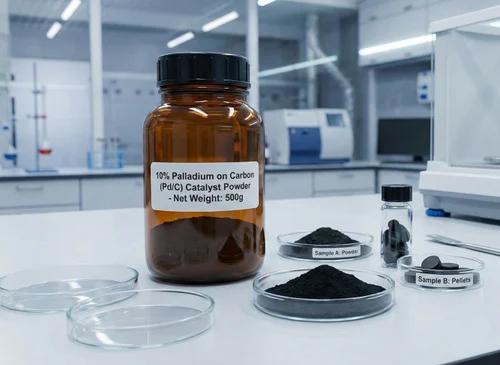
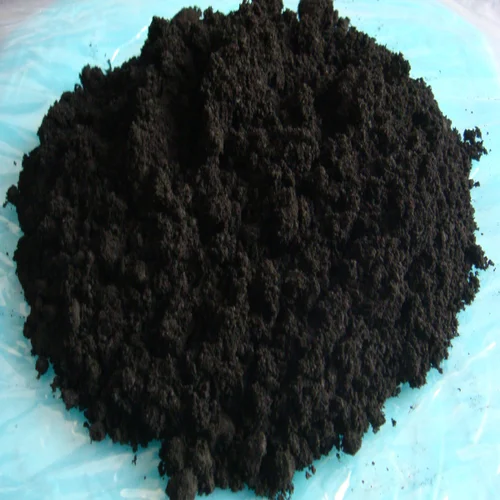
Palladium-on-carbon (Pd/C) is a widely used heterogeneous catalyst where palladium nanoparticles are dispersed on activated carbon. It is commonly used for hydrogenation and related transformations in organic synthesis.
Key features
- Typical composition: palladium supported on activated carbon, commonly 5–10% Pd by weight (some grades are 1–20%).
- Reactivity: efficient for many hydrogenation reactions, deprotection steps (for example benzyl ether deprotections), and hydrogenolysis of certain C–O and C–N bonds.
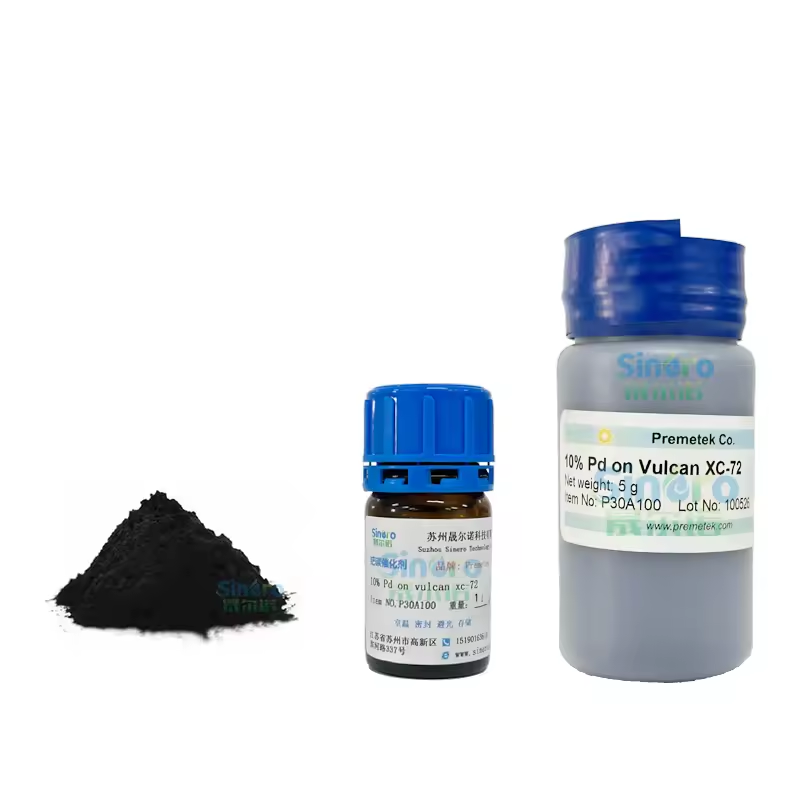
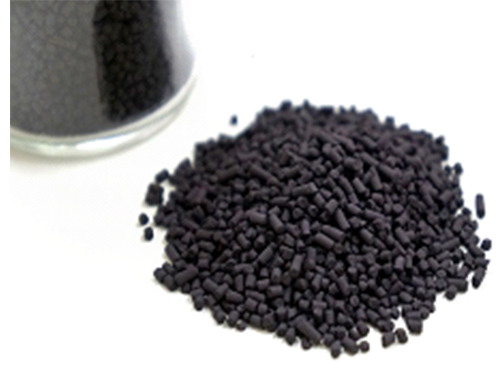
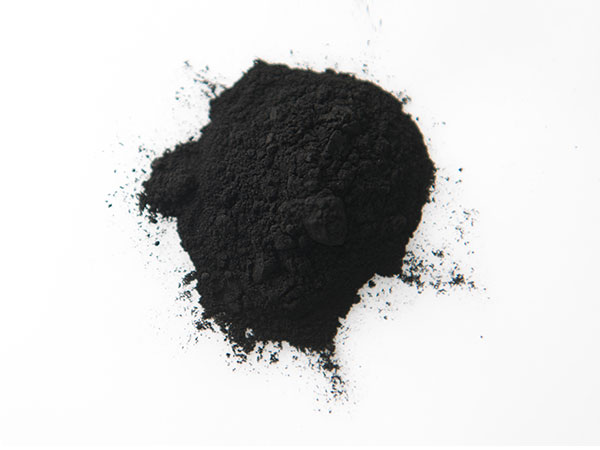
- Form: often sold as a wet paste or as a dry powder impregnated on carbon; sometimes supplied as a pre-washed, ready-to-use form.
Common applications
- Hydrogenation of alkenes and nitro groups to give alkanes and anilines, respectively.
- Hydrogenolysis and deprotection of protective groups such as benzyl ethers and benzyl esters.
- Hydrogenation of alkynes to alkanes (full hydrogenation; selectivity can be influenced by conditions).
- Hydrogenation of arenes (aromatic rings) under more forcing conditions or higher pressures.
How to use Pd/C in a reaction
- Prepare the reaction: dissolve or suspend the substrate in a suitable solvent (e.g., ethanol, methanol, ethyl acetate, THF; choose based on substrate solubility and reaction).
- Add Pd/C: add a measured amount of Pd/C to the reaction mixture. Typical loadings range from about 0.5 to 5 mol% Pd relative to substrate, depending on the substrate and desired rate.
- Hydrogen source: introduce hydrogen gas either by a balloon or in a pressurized reactor. Alternatively, some reductions can be done using transfer hydrogenation methods, but standard Pd/C hydrogenations use H2 gas.
- Monitor the reaction: track progress by TLC, GC, or NMR as appropriate.
- Workup: once complete, carefully release hydrogen, then filter the reaction mixture to remove the catalyst through a frit or Celite bed.
- Purify: concentrate and purify the product by standard techniques (extraction, chromatography).
- Catalyst handling: rinse the catalyst with solvent, combine washes with the product crude if useful, and store Pd/C wet to minimize pyrophoric risk.
Practical notes and tips
- Catalyst loading and activity depend on substrate, solvent, and desired conversion. Start with smaller loadings and optimize.
- Solvent choice can influence selectivity and rate. Alcohols (ethanol, methanol) are common, but some substrates prefer ethers or acetonitrile.
- Temperature and pressure: mild temperatures (25–40°C) and 1 atm H2 are often enough for many substrates; stubborn substrates may require higher pressure or temperature.
- Poisoning and deactivation: sulfur-containing compounds, halides, and amines can poison Pd/C; ensure substrates and solvents are free of strong poisons where possible.
- Selective hydrogenations: for cis-selective or chemoselective hydrogenations, specialized catalysts or poisoned catalysts (for example Lindlar-type systems) may be used, but standard Pd/C tends to promote full hydrogenation.
- Safety with dry Pd/C: dry Pd/C is pyrophoric and can ignite in air. Use it wet or deactivate it after use (e.g., by washing with solvent) and store appropriately.
Safety and handling
- Pd/C is typically pyrophoric when dry; keep it wet with solvent and handle under standard lab safety practices.
- Use appropriate personal protective equipment and work in a well-ventilated area or fume hood.
- After reaction, filter and rinse the catalyst to prevent caustic residues from being introduced into waste streams.
- Dispose of spent Pd/C according to local regulations for metal-containing waste.
Quick comparison (Pd/C vs other options)
- Pd/C vs Pd/barium sulfate (Lindlar-type): Pd/C is more active and less selective for cis hydrogenation; Lindlar-type catalysts are used for selective cis-alkene hydrogenation.
- Pd/C vs Pd on other supports (e.g., Pd/CaCO3): different supports can alter dispersion, particle size, and reactivity, affecting activity and selectivity.
- Pd/C vs homogeneous palladium catalysts: Pd/C is heterogeneous, often easier to separate and reuse; homogeneous catalysts can offer different selectivity and milder conditions but require more intensive purification.
Common substrates and example reactions
- Nitroarenes to anilines under hydrogen: ArNO2 + H2 → Aniline
- Benzyl ethers deprotection: R–O–CH2–Ph + H2 → R–OH
- Alkyne to alkane hydrogenation: RC≡CR’ + H2 → RCH=CRH or RCH2CH2R’ depending on conditions
- Alkene hydrogenation: RCH=CHR’ + H2 → RCH2-CH2R’
Quick guide to a typical workflow
- Choose solvent (ethanol or methanol are common).
- Add substrate (0.5–2 mmol for small scale) and Pd/C (0.5–5 mol% Pd).
- Apply H2 (1 atm to several atm) and stir at room temperature or slightly elevated temperature.
- Monitor until completion.
- Filter off Pd/C, wash with solvent, and combine with product.
- Purify as needed.
If you’d like, tell me your specific substrate and the transformation you aim to achieve, and I can suggest a more tailored Pd/C procedure, including solvent, loading, and reaction conditions.
Summary
- Pd/C is a versatile, widely used heterogeneous catalyst for hydrogenation and deprotections.
- Follow safe handling practices for pyrophoric catalysts and optimize conditions based on substrate.
- Start with common solvent choices and typical loadings, then adjust for reactivity and selectivity as needed.
Reviews
There are no reviews yet.