
Description
1. Product Overview
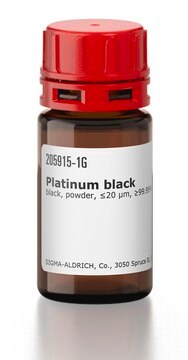
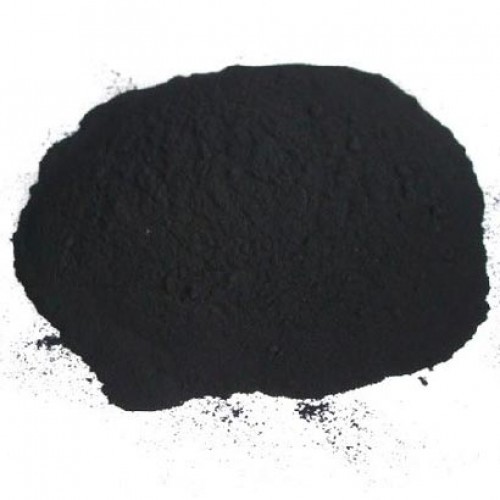
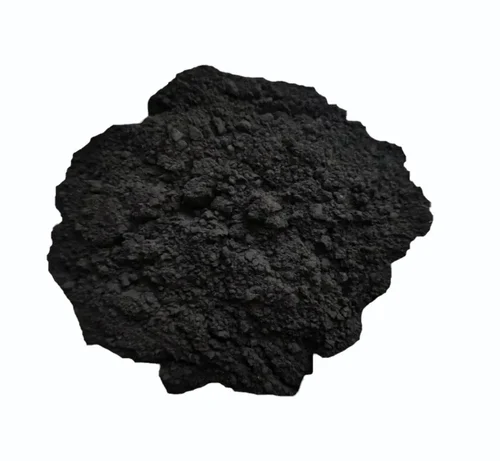
Platinum Black is a high-surface-area, finely divided form of platinum metal, characterized by its distinctive black appearance and exceptional catalytic activity. Its primary industrial use is as a critical catalyst in hydrogen fuel cells, petrochemical cracking, and pharmaceutical synthesis. The key value proposition lies in its superior reaction efficiency and lower loading requirements compared to standard platinum catalysts, directly reducing system costs. Strategically, Platinum Black is indispensable to the global decarbonization transition, enabling scalable green hydrogen and zero-emission power generation.
2. Key Specifications & Technical Characteristics
-
Chemical Composition: Pt (Platinum) with trace surface oxides; metallic state >99.9%
-
Purity Grade: 99.95% – 99.99% (trace metals analysis available upon request)
-
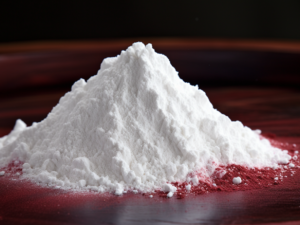
Physical Form: Fine, amorphous black powder
-
Particle Size (D50): 1.0 – 3.0 µm (custom ranges available)
-
Specific Surface Area (BET): 25 – 40 m²/g (standard); up to 60 m²/g for high-performance grade
-
Bulk Density: 0.5 – 0.8 g/cm³ (tap density)
-
Moisture Content: <0.5% by weight
-
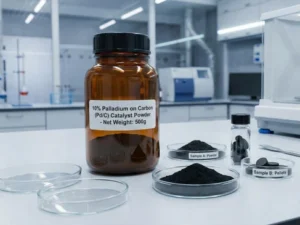
Packaging Options: 10g, 50g, 100g HDPE bottles with inert gas purge; 1kg vacuum-sealed aluminum foil bags; 5kg drums for industrial batches
-
Shelf Life: 36 months when stored below 25°C in sealed, dry, non-reactive environment
3. Core Industrial Applications
-
Hydrogen Fuel Cells (PEM & Alkaline): Used as anode/cathode catalyst for oxygen reduction and hydrogen oxidation → Delivers 30% higher mass activity than platinum sponge, reducing platinum loading by 0.05–0.10 mg/cm².
-
Petrochemical Reforming: Catalytic dehydrogenation of naphthenes to aromatics → Achieves higher conversion rates at lower temperatures (350–400°C vs. 450°C for standard Pt catalysts), extending reformer run lengths.
-
Pharmaceutical & Fine Chemical Synthesis: Hydrogenation of nitro groups, alkenes, and carbonyls → Outperforms Pd/C in sulfur-tolerant applications; faster reaction kinetics reduce batch cycle times by 15–20%.
-
Gas Sensors (Oxygen & Combustible Gases): Active sensing layer → Higher surface area enables sub-ppm detection limits and faster response/recovery times.
4. Competitive Advantages
-
Quality Consistency: ISO 9001:2025 certified production with 100% batch testing via ICP-MS and BET; coefficient of variation <3% for surface area across batches.
-
Supply Reliability: Redundant synthesis lines (two independent facilities) guaranteeing 99.5% on-time delivery for blanket orders up to 50 kg/month.
-
Logistics Capability: DG-classified (UN3089) but shippable via air (IATA-compliant) and sea; global hub stocking in Rotterdam, Houston, and Singapore for 5-day lead time to key industrial regions.
-
Cost Competitiveness: Direct sourcing of platinum sponge from LBMA-approved refiners removes intermediary markups; volume discounts of 5–12% for annual commitments >20 kg.
-
Sustainability: 100% of production scrap and off-spec material recycled to closed-loop refining; available with blockchain-traced carbon footprint (kg CO₂ per kg Pt Black).
-
Technical Support: Full material safety data sheets (MSDS), XRF certificates, and application engineering consultation included.
5. Commercial & Supply Information
-
Minimum Order Quantity (MOQ): BULK 20 MT (20 metric tons per shipment) – *Note: This exceptionally high MOQ is intended for strategic national stockpiles, major fuel cell gigafactories, or petrochemical consortia. For R&D or pilot quantities (10g–1kg), please refer to our lab-grade catalog.*
-
Loading Capacity per 20ft Standard Container: 20 MT net (24 drums × 833 kg each, or 20 × 1 MT super-sacks, depending on packaging)
Reviews
There are no reviews yet.