

Description
1. Product Overview
Rhenium Metal Powder is a high-density, refractory metal powder derived from the by-products of molybdenum and copper refining, essential for superalloys and high-temperature catalytic systems. Its primary industrial use lies in the production of turbine blades for aerospace and industrial gas turbines, as well as platinum-rhenium reforming catalysts in petrochemical refining. The key value proposition is its unmatched ability to retain mechanical strength and thermal stability at temperatures exceeding 2,800°C, directly improving component lifespan and fuel efficiency. Strategically, it is a critical material classified as a technology metal, where supply security and purity directly impact national defense, aviation, and energy infrastructure.
2. Key Specifications & Technical Characteristics
-
Chemical composition: Rhenium (Re) – minimum 99.95% trace metal basis; typical impurities (max): C 50 ppm, O 200 ppm, N 25 ppm, Fe 10 ppm, Mo 5 ppm
-
Purity grade: 99.95% (3N5) and 99.99% (4N) available upon request
-
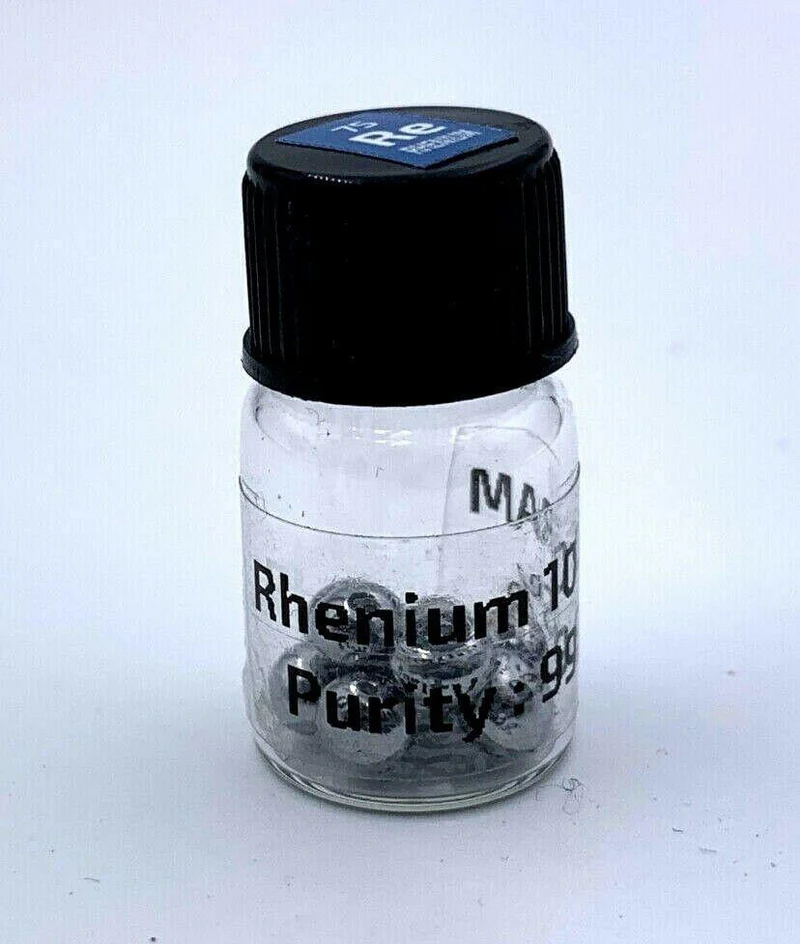
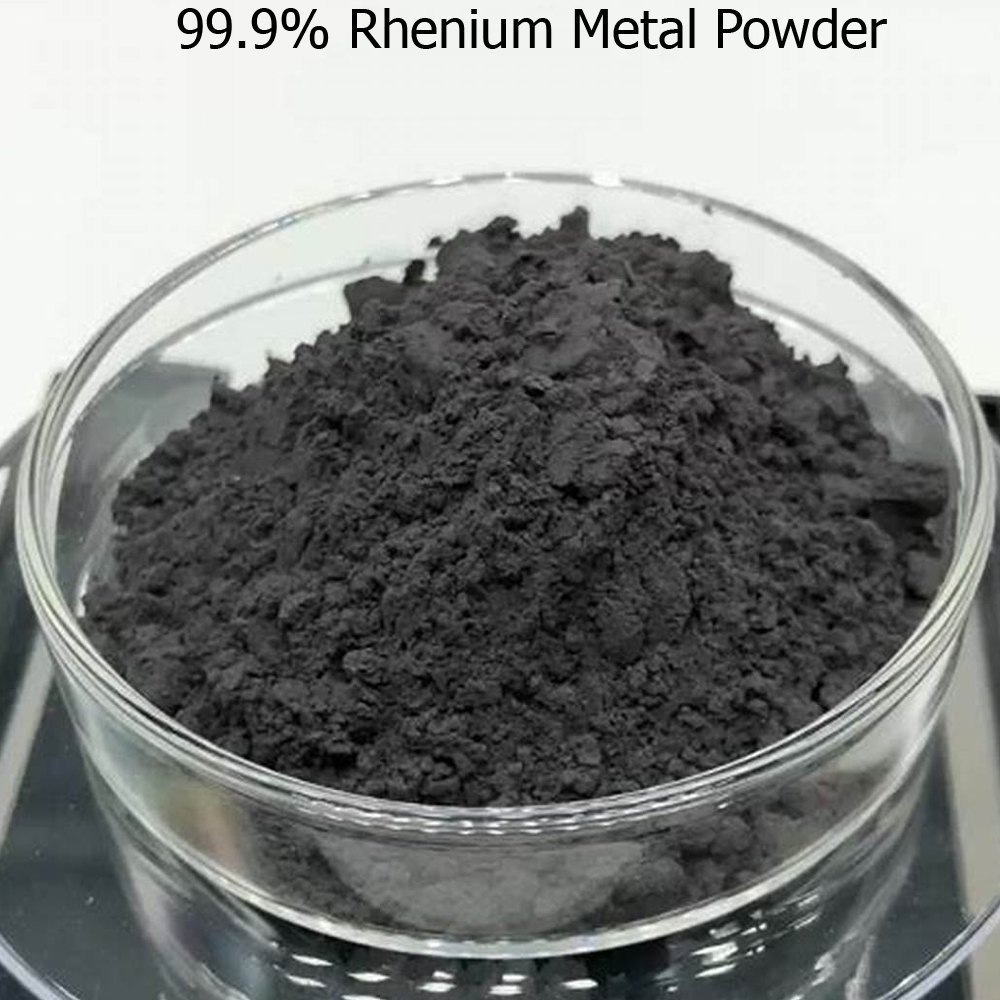
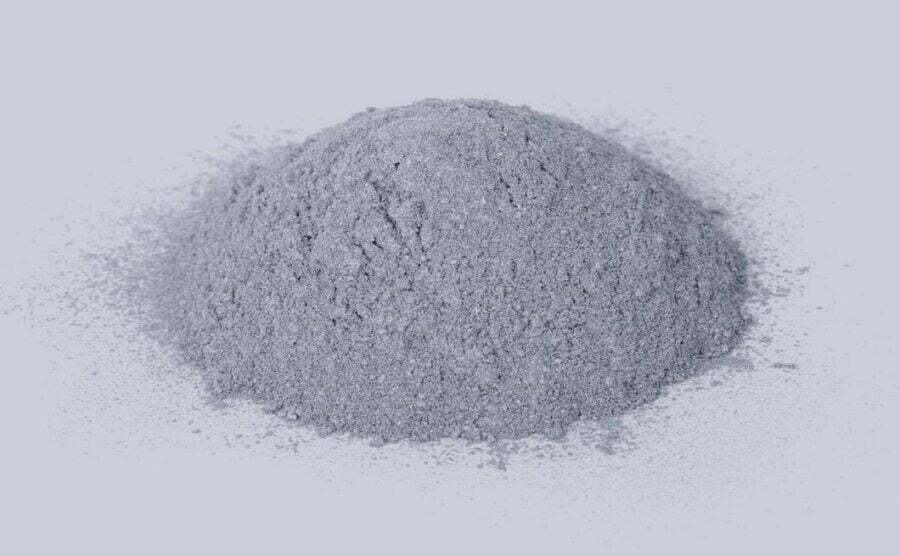
Physical form: Irregular, dendritic, or spherical fine powder
-
Color: Gray to silver-black metallic
-
Particle size distribution (typical):
-
D10: 1.5–2.5 µm
-
D50: 5–8 µm
-
D90: 12–18 µm
-
(Custom cuts: -325 mesh, -400 mesh available)
-
-
Apparent density: 2.5–4.0 g/cm³ (untapped); tapped density 5.0–6.5 g/cm³
-
Specific surface area (BET): 0.8–2.5 m²/g
-
Melting point: 3,186°C (5,767°F)
-
Packaging options: Vacuum-sealed aluminum-lined bags (1 kg, 5 kg), steel drums with inert gas purge (20 kg, 50 kg), or customer-specified HDPE pails
-
Shelf life: 24 months when stored in original unopened packaging under dry, inert atmosphere (RH < 40%, temp 15–25°C)
3. Core Industrial Applications
-
Aerospace & power generation (superalloys): Used at 5–7% by weight in nickel-based superalloys (e.g., CMSX-4, René N5) for single-crystal turbine blades. Rhenium prevents creep deformation at 1,100°C+ – outperforming tungsten and tantalum alternatives – enabling longer time-on-wing and higher engine operating temperatures.
-
Petrochemical catalysis (platinum-rhenium reforming): Key component in bimetallic Pt-Re/Al₂O₃ catalysts for naphtha reforming. Rhenium improves sulfur tolerance and extends catalyst regeneration cycles by 30–40% compared to monometallic platinum catalysts, directly lowering refinery downtime.
-
Electronics & semiconductor components: Used in high-temperature thermocouples (W-Re alloys) and resistance heating elements. The fine powder form enables precise sintering into thin foils and filaments with superior oxidation resistance over pure molybdenum.
-
Defense & rocket propulsion: Critical in rhenium-coated thrusters (e.g., satellite attitude control) and shaped-charge liners. Rhenium’s ductility at cryogenic temperatures and erosion resistance under extreme pressure gradients provide a distinct performance advantage over standard tungsten alloys.
Efficiency advantage: In superalloys, each 1% of rhenium added increases creep rupture life by approximately 500 hours at 1,000°C / 100 MPa – a 3x improvement over hafnium or ruthenium at equivalent cost.
4. Competitive Advantages
-
Quality consistency: Lot-to-lot particle size control with ±1.5 µm tolerance on D50; each batch certified via ICP-MS, LECO combustion (C,S,O,N), and laser diffraction.
-
Supply reliability: Direct sourcing from primary Chilean and Kazakhstani molybdenum roaster off-gas recovery; 12-month rolling contracts with force majeure protections.
-
Logistics capability: In-region warehousing (Americas, EMEA, APAC) enabling 5-day lead time for urgent restocks; UN3077 classification with certified dangerous goods handling.
-
Price competitiveness: Fixed quarterly pricing with ±3% collar – no spot market volatility pass-through; volume discounts from 500 kg/year.
-
Sustainability: 82% recycled content available via closed-loop superalloy scrap program; ISO 14001:2015-certified refining with zero liquid discharge.
-
Technical support: Dedicated metallurgical engineer for each buyer; free pre-shipment pilot-scale compaction and sintering tests (up to 2 kg sample).
5. Commercial & Supply Information
-
Minimum order quantity (MOQ): 5 kg for standard 99.95% grade; 1 kg for 99.99% grade (certified reference material pricing applies)
-
BULK 20MT loading capacity: 20 metric tons per standard 20-ft dry container (palletized – 48 pallets of 50 kg drums each)
-
Typical shipment weight per container: 16–18 MT net product weight (plus packaging and inert gas cylinders)
-
Incoterms preferred: CIF Houston, Rotterdam, or Shanghai; EXW refinery available
-
Lead time: 14 days for MOQ; 30 days for full container load (FCL) from order confirmation
-
Payment terms: Letter of credit (L/C at sight) for new buyers; net 30 days after shipment for approved corporate accounts with credit insurance
Reviews
There are no reviews yet.