

Description
Overview of Rhenium Metal Powder
Rhenium is a rare, high-melting-point metal valued for its exceptional high-temperature strength and creep resistance. In powder form, it is used primarily in high-temperature alloys, coatings, catalysts, and some specialty manufacturing processes. If you’re considering rhenium powder for a project, here’s a concise guide to common formats, properties, uses, and handling.
Key properties of rhenium powder
- High melting point and strength: Rhenium contributes excellent high-temperature performance to alloys.
- Density: Approximately 21 g/cm³, making it quite heavy for its size.
- Purity options: Typical industrial purities range from 99.9% and higher, with trace-impurity specifications depending on the application.
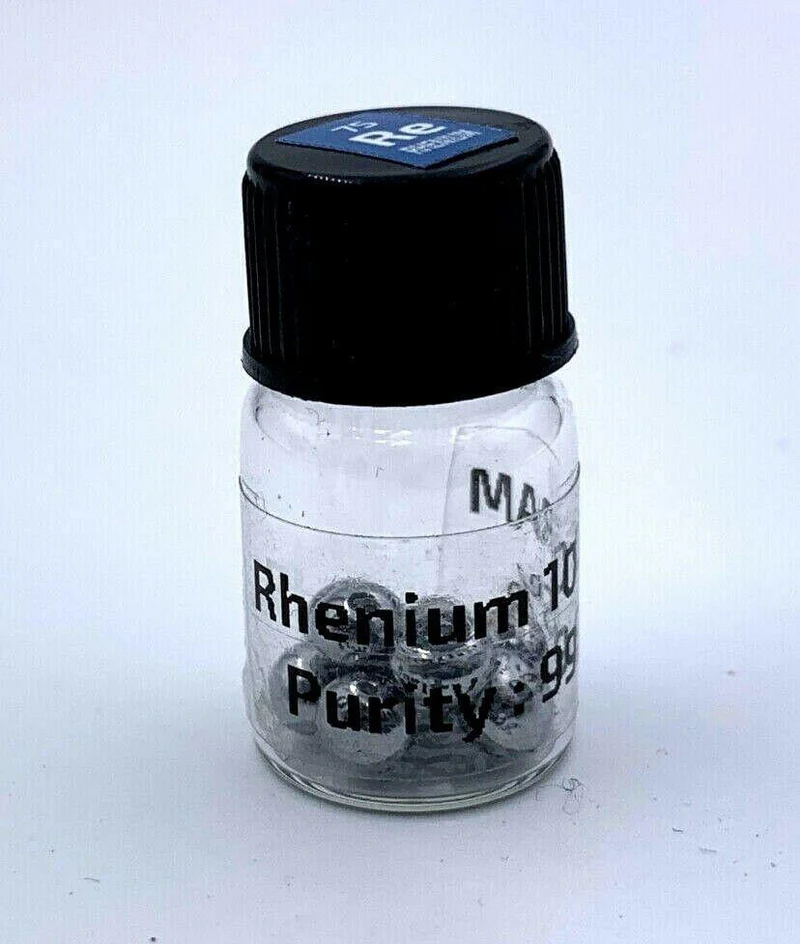
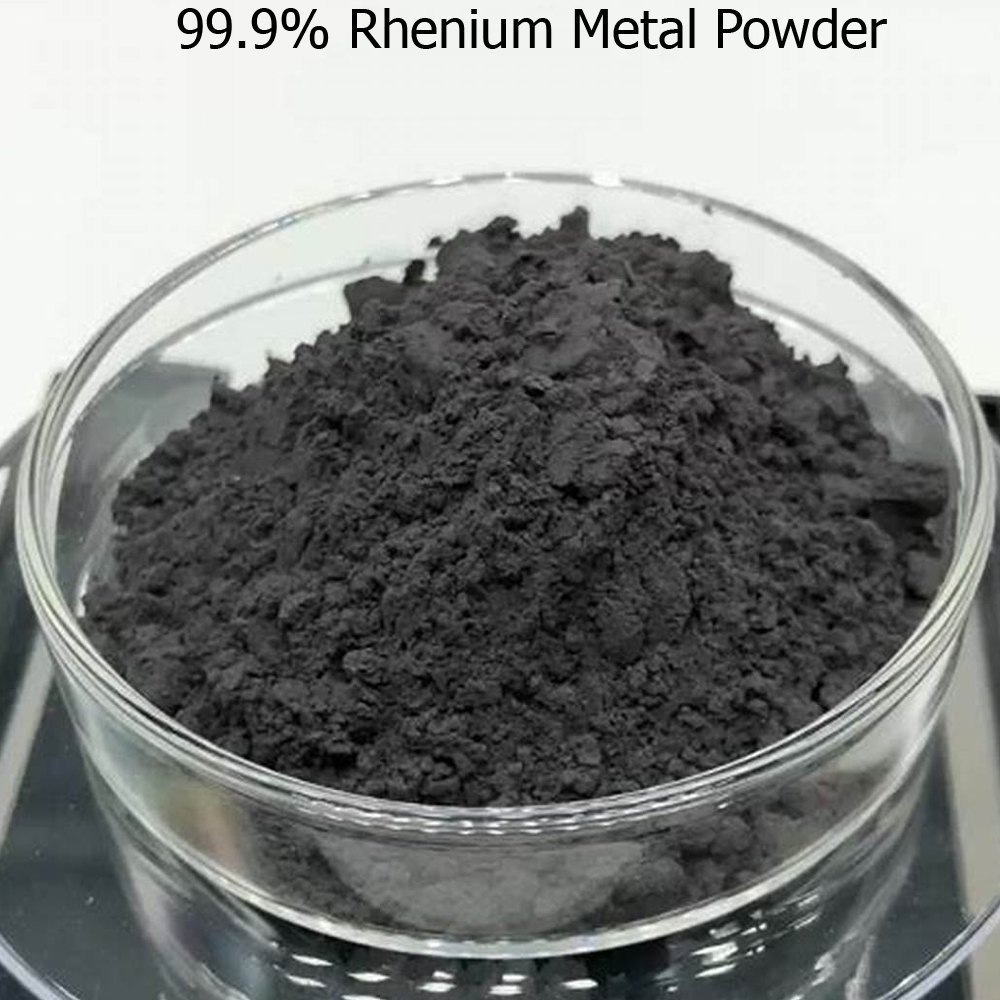
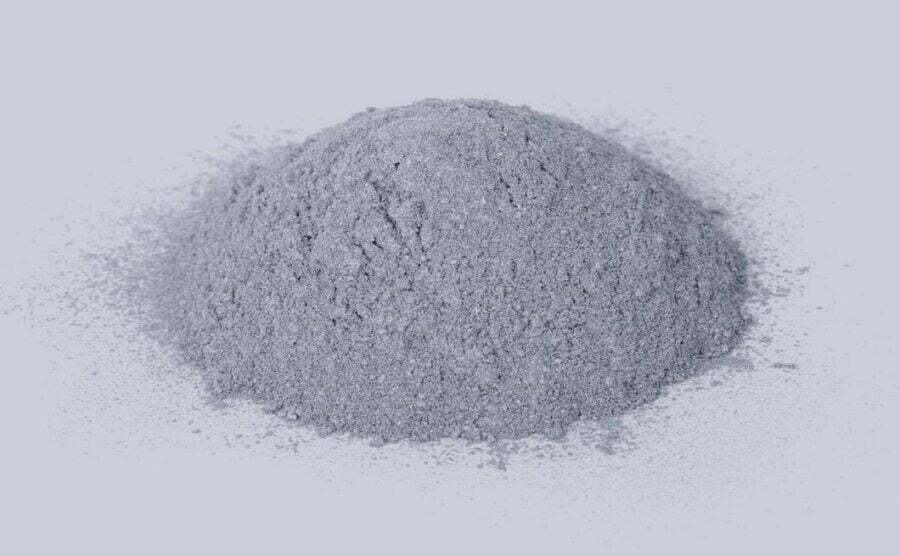
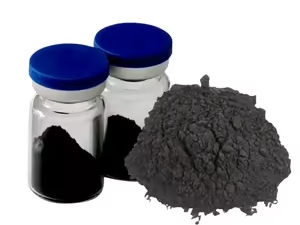
- Powder formats: Available as microcrystalline powders, and as spherical or irregular powders depending on the production route (see Formats below).
- Reactivity and safety: Fine metal powders can pose inhalation and dust explosion hazards. Handle under appropriate containment and consult the safety data sheet (SDS) for specific guidance.
Formats and particle sizes
- Common forms
- Microcrystalline powder: for alloying, diffusion processes, or research.
- Spherical atomized powder: optimized for powder metallurgy and additive manufacturing (AM) because of better flowability and packing density.
- Particle size ranges (typical for industrial use)
- From sub-micrometer to a few tens of micrometers for general alloying.
- Nano- to sub-mamicro ranges are available for specialized research powders.
- Considerations for selection
- If you are casting or fabricating via powder metallurgy or AM, spherical, flowable powders often perform better.
- For diffusion coatings or carburizing/cementing applications, finer or specialized morphologies may be preferred.
Common applications
- Nickel and cobalt-based superalloys: Rhenium improves creep resistance and high-temperature stability, especially in turbine components.
- Catalysis: Rhenium-containing catalysts (often as a promoter or alloying element) are used in petrochemical processes and hydrogenation reactions.
- Diffusion coatings and coatings research: Used to study high-temperature diffusion barriers and coating performance.
- Specialty metal alloys: Rhenium powder can be alloyed with tungsten, molybdenum, or nickel-based matrices for high-temperature components.
- Research and development: Powder form is used in experiments investigating high-temperature behavior, oxidation resistance, and additive manufacturing of Re-containing alloys.
Handling, safety, and storage
- Safety: Treat rhenium powder as a particulate material. Use appropriate PPE (dust mask or respirator, safety glasses, gloves) and work in a well-ventilated area or a fume hood. Avoid generating and dispersing dust.
- Storage: Keep in a dry, sealed container, ideally under inert atmosphere if long-term storage is required. Keep away from oxidizers and moisture.
- SDS and compliance: Always refer to the supplier’s SDS for specific hazard information, handling instructions, and regulatory compliance for your region.
Selecting and using rhenium powder
- Define the goal: Is this for a high-temperature alloy, a catalytic process, or a coating study?
- Choose format: For metal additive manufacturing or high-flow processes, opt for spherical powder with high flowability. For research or diffusion studies, microcrystalline powder may be suitable.
- Set purity and traceability: Specify 99.9% or higher if you need minimal impurities for high-temperature performance.
- Determine particle size: Smaller particles offer more surface area but higher handling risks and potential agglomeration; larger particles may be easier to handle but less uniform in AM builds.
- Request supporting data: Ask for particle size distribution (PSD), flow rate, tap density, and any post-processing or surface treatments (e.g., passivation) that affect performance.
Quick comparison: formats at a glance
- Form: Spherical atomized powder
- Particle size: Typically 10–45 µm (example range; varies by supplier)
- Benefits: Excellent flowability and packing; good for AM
- Trade-offs: May be more expensive; surface oxide can form if not handled properly
- Form: Microcrystalline/irregular powder
- Particle size: Sub-micrometer to a few micrometers
- Benefits: Good for diffusion coatings or research
- Trade-offs: Higher dust potential; poorer flowability
Next steps
- If you share:
- Intended application (AM, diffusion coating, catalyst support, alloying, etc.)
- Required purity and particle size
- Quantity and budget
- Any compatibility needs with equipment or other materials I can help you narrow to specific grades, typical suppliers, and example specifications.
Summary
Rhenium powder offers exceptional high-temperature performance but requires careful handling due to its powder form. Common formats include spherical atomized powders for additive manufacturing and microcrystalline powders for research and diffusion processes. Selecting the right particle size, purity, and morphology depends on your application, and consulting the supplier’s SDS and technical data is essential.
If you’d like, tell me your application and requirements, and I can suggest a targeted specification and sourcing checklist.

Reviews
There are no reviews yet.