
Description
1. Product Overview
Hydroxyethyl cellulose (HEC) is a non-ionic, water-soluble rheology modifier derived from natural cellulose, engineered to deliver exceptional thickening, binding, film-forming, and colloidal stabilization across demanding industrial formulations. Its primary industrial use lies in water-based systems—such as paints, oilfield drilling fluids, and personal care products—where precise viscosity control and salt tolerance are critical. The key value proposition is its predictable, shear-stable performance over a wide pH (2–12) and temperature range, enabling manufacturers to reduce formulation complexity while improving process stability. Strategically, HEC is indispensable for industries transitioning to low-VOC and high-solids systems, offering a sustainable alternative to solvent-borne thickeners without compromising application properties.
2. Key Specifications & Technical Characteristics
-
Chemical composition: Non-ionic cellulose ether with hydroxyethyl molar substitution (MS) typically 2.5–3.5
-
Purity grade: ≥ 95% active content (industrial / technical grade); USP/NF grade available for personal care and pharma
-
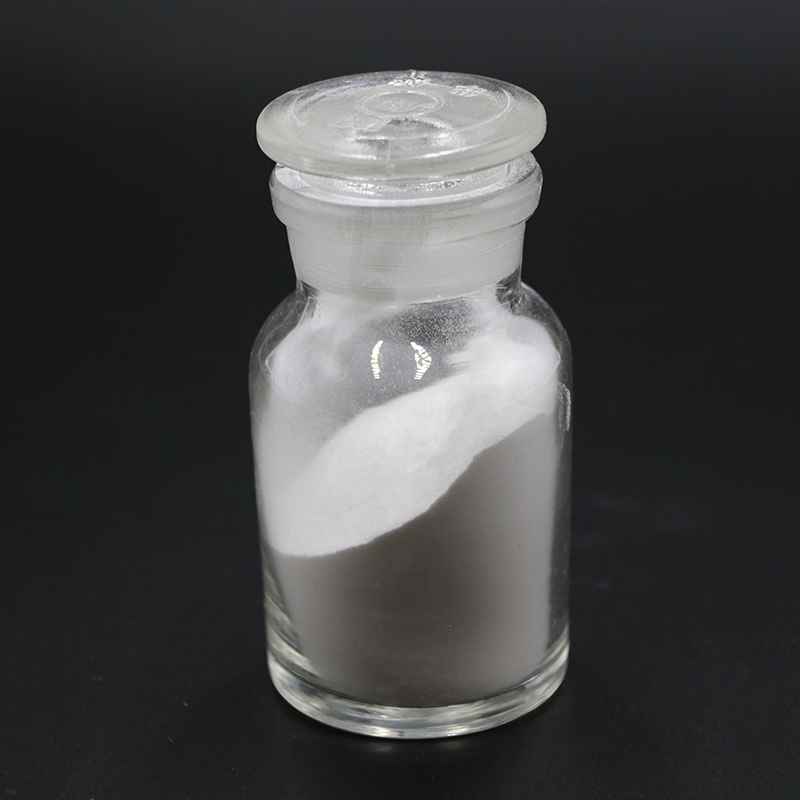
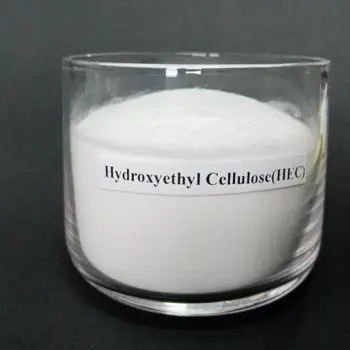
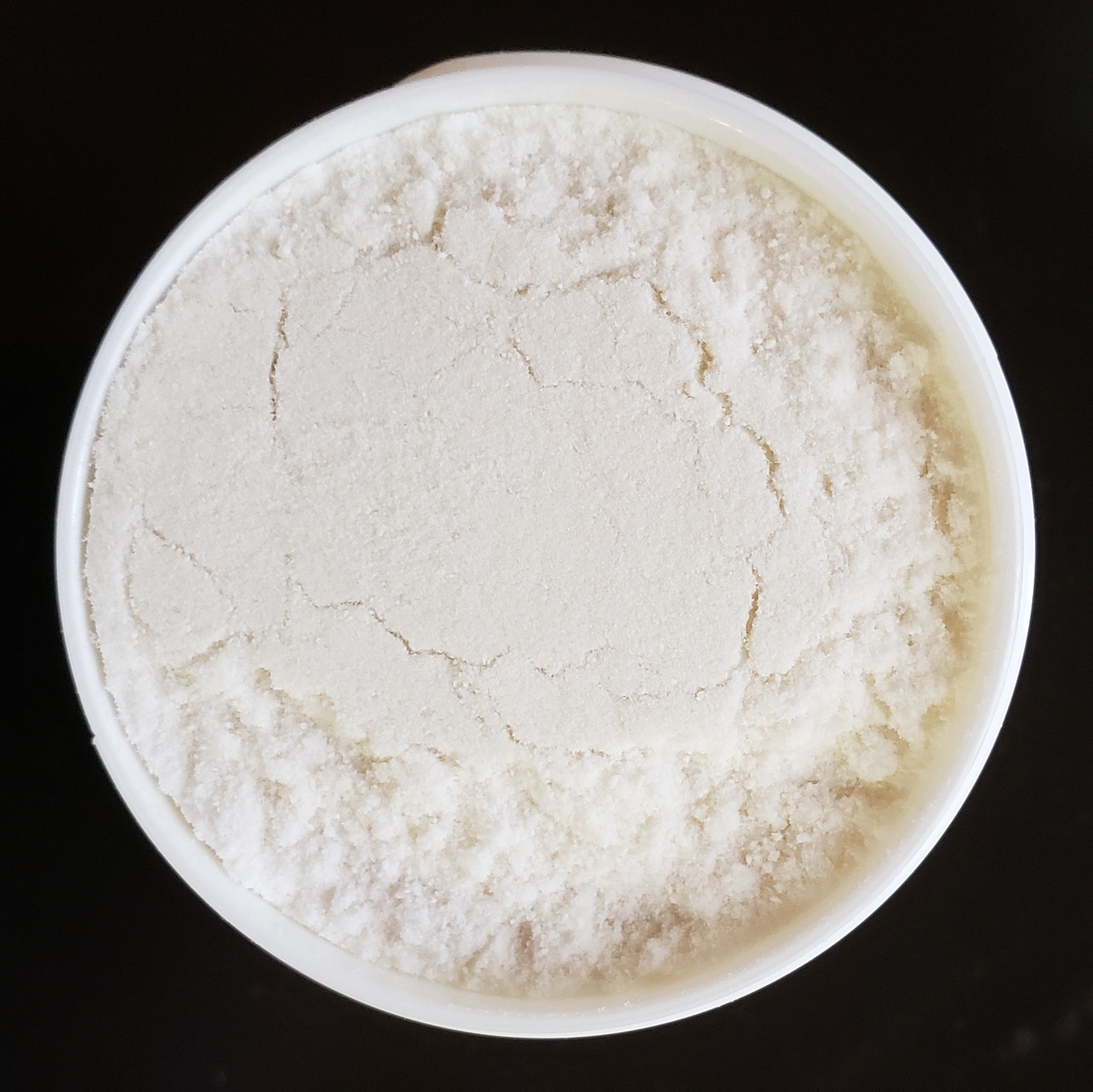
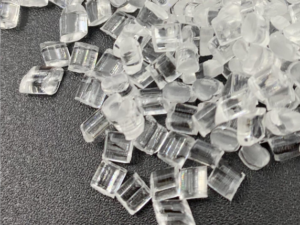
Physical form: Off-white to white free-flowing powder
-
Particle size: 95% passes through 100 mesh (150 µm); <5% retained on 200 mesh (75 µm) for rapid hydration
-
Bulk density: 350–550 g/L (tap density: 500–650 g/L)
-
Viscosity range (1% solution, 20°C, Brookfield LV): 5–100,000 mPa·s (multiple viscosity grades available)
-
pH stability: Effective pH 2–12
-
Solubility: Cold water soluble (no heating required); insoluble in organic solvents
-
Packaging options: 25 kg multi-wall paper bags with PE liner; 500–1000 kg big bags; heat-sealed moisture-barrier sacks
-
Shelf life: 24 months in original unopened packaging stored below 40°C and <75% RH
3. Core Industrial Applications
-
Paints & Coatings (architectural, industrial, traffic paints): Provides sag resistance, spatter control, and open-time extension in latex paints. Outperforms associative thickeners in high-shear roll application due to pseudoplastic flow behavior, reducing formulation cost by 12–18% vs. HEUR thickeners at equivalent KU viscosity.
-
Oil & Gas (drilling and completion fluids): Functions as a fluid-loss control additive and viscosifier in brine systems (up to saturated NaCl). Unlike xanthan gum, HEC retains viscosity under high salinity and temperature (up to 120°C), reducing filtration fluid loss by up to 40% in permeable formations.
-
Personal Care & Cosmetics (shampoos, lotions, gels): Delivers crystal-clear gels with electrolyte tolerance. Non-ionic nature prevents interaction with anionic surfactants, ensuring stable viscosity in high-surfactant systems where carbomers often fail.
-
Construction (cement slurries, tile adhesives, joint compounds): Improves water retention and workability. Compared to MHEC, HEC offers faster dispersion and lower air entrainment, reducing pinhole defects in self-leveling underlayments.
4. Competitive Advantages
-
Quality consistency: Lot-to-lot viscosity variation < ±8% (industry standard ±15%) via real-time FTIR and rheology QC. Certificate of Analysis (CoA) with each shipment.
-
Supply reliability: Dual-sourcing from nitration-grade cotton linters and high-purity wood pulp; three independent manufacturing sites (Asia, Europe, Americas) with 12,000 MT annual capacity and 4-month strategic safety stock.
-
Logistics capability: 48-hour dispatch from regional hubs (Rotterdam, Houston, Shanghai, Dubai) via ocean, rail, or air; temperature-controlled containers for tropical routes.
-
Price competitiveness: Direct contract with dissolving pulp mills removes intermediary margins—landed cost typically 7–10% below European and Chinese spot prices for equivalent 50–100k mPa·s grades.
-
Sustainability: 100% bio-based, biodegradable in aerobic/anaerobic environments; lignin-free bleaching process reduces COD effluent by 30%; available with ISCC PLUS certified mass balance.
-
Technical support: In-house application labs offering formulation optimization, stability testing, and troubleshooting within 72 hours for contract customers.
5. Commercial & Supply Information
-
Minimum order quantity (MOQ): 10 MT (standard grades); 20 MT (custom viscosity or particle size grades)
-
BULK 20MT loading capacity: 20 MT = 800 x 25 kg bags (20 pallets of 40 bags each) = standard 20’ dry container stowage factor 1.2 m³/MT
-
Container capacity per 20’ container: 20 MT net (max 22 MT depending on bag density)
-
Container capacity per 40’ HC container: 25 MT (with big bags) or 26 MT (with compacted powder and pallet optimization)


Reviews
There are no reviews yet.