
Description
1. Product Overview
Bisphenol S (BPS) is a high-stability sulfone-based diol engineered as the premier alternative to Bisphenol A (BPA) for high-performance polymers and thermal paper coatings. Its primary industrial use is as a monomer in the synthesis of epoxy resins, polycarbonates, and as a color developer in heat-sensitive recording materials. The key value proposition lies in its superior thermal stability (up to 230°C) and hydrolysis resistance, combined with a regulatory-compliant profile for food-contact and consumer-sensitive applications. Strategically, BPS is critical for manufacturers future-proofing their supply chains against tightening global BPA restrictions without sacrificing mechanical or thermal performance.
2. Key Specifications & Technical Characteristics
-
Chemical composition: 4,4′-Sulfonyldiphenol (C₁₂H₁₀O₄S); CAS 80-09-1
-
Purity level: ≥ 99.5% (HPLC) / Premium Industrial Grade
-
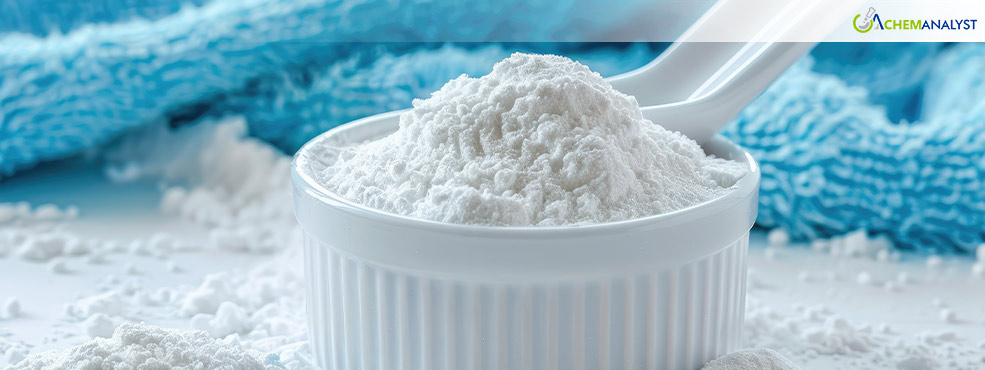
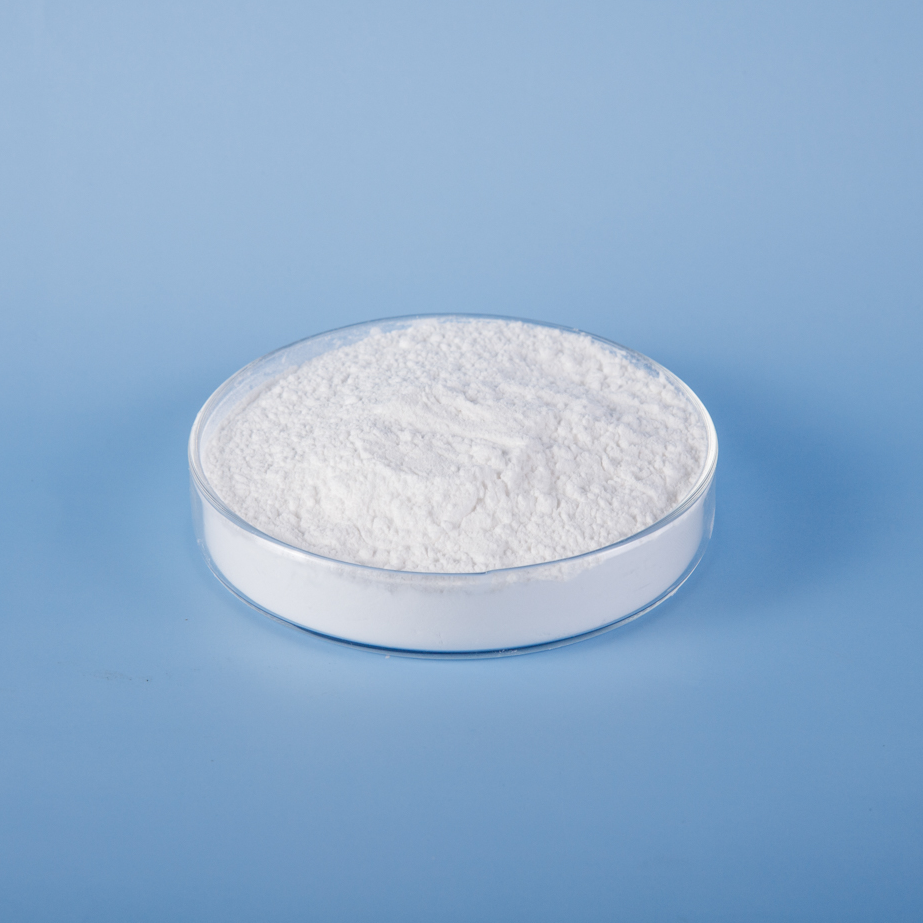
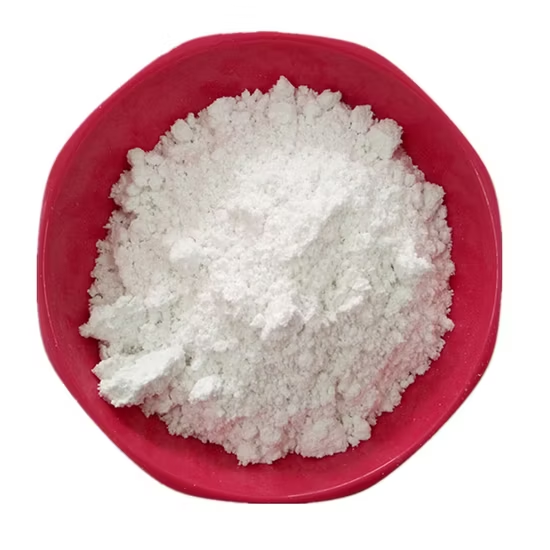
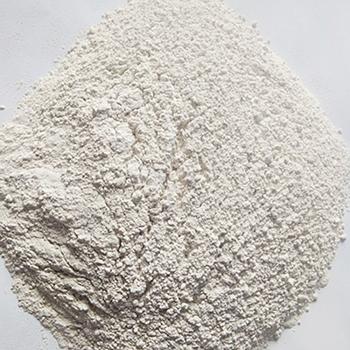
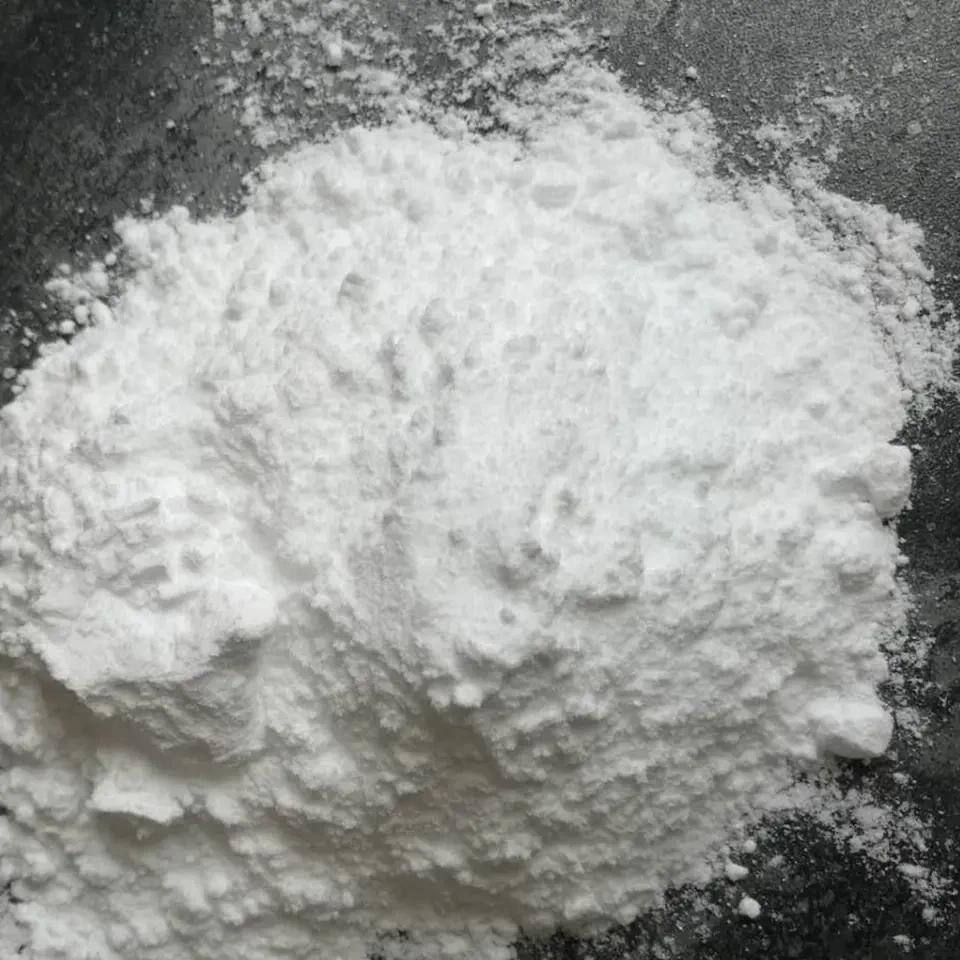
Physical form: White to off-white crystalline powder
-
Particle size: D50 20–50 µm (consistent flow for dry blending)
-
Melting point: 245–248°C
-
Density (bulk): 0.55–0.65 g/cm³
-
Moisture content: ≤ 0.2%
-
Packaging options: 25 kg kraft/PE laminated bags; 500 kg FIBC (bulk bags); 20 kg fiber drums with inner HDPE liner
-
Shelf life: 24 months in sealed, dry, ambient conditions (15–30°C)
3. Core Industrial Applications
-
Thermal paper coatings (color developer): Primary industry – point-of-sale receipts, labels, ticketing. Outperforms BPA by eliminating endocrine-disruption concerns while maintaining equal or higher image stability (≥7 years under standard storage). Cost-per-ton comparable to premium BPA-free developers.
-
High-heat epoxy resins: Aerospace, automotive electronics, and industrial adhesives. BPS-based epoxies exhibit 15% lower moisture uptake and 10% higher glass transition temperature (Tg) versus BPA epoxies, enabling reliable performance in humid, 150°C+ environments.
-
Polycarbonate copolymers: Medical device housings, baby bottles, and reusable water containers. BPS provides drop-in processability (similar melt viscosity) with superior UV resistance and no detectable estrogenic activity under FDA/EU protocols.
-
Polyether sulfone (PES) membranes: Water filtration and dialysis. BPS-derived PES shows higher chemical resistance to chlorine and caustic cleaning agents, extending membrane lifespan by 20–30% compared to alternative sulfone monomers.
4. Competitive Advantages
-
Quality consistency: Batch-to-batch purity variation < 0.1% (validated by SGS/TÜV-certified HPLC), with full traceability from precursor to final crystal.
-
Supply reliability: Dual-sourced manufacturing (Asia-Pacific and Europe) with 5,000 MT annual dedicated capacity; safety stock maintained at ≥3 months of forecast demand.
-
Logistics capability: Global warehousing in Rotterdam, Houston, and Shanghai; average lead time 14 days for container shipments; expedited airfreight available for urgent R&D or trial quantities.
-
Price competitiveness: Volume-tiered pricing 5–8% below European and North American specialty producers, without minimum annual contracts.
-
Sustainability & compliance: REACH, RoHS, and FDA 21 CFR 175.300 compliant; produced with 40% renewable energy; non-fossil-derived solvent recovery rate >95%. No SVHC (Substance of Very High Concern) listing.
-
Technical support: Free certificate of analysis (CoA) per lot; material safety data sheet (MSDS) in 12 languages; application lab support for formulation optimization.
5. Commercial & Supply Information
-
Minimum Order Quantity (MOQ): 500 kg (20 × 25 kg bags or 1 FIBC)
-
BULK 20MT Loading Capacity: 20 metric tons (exactly) per standard 20-ft dry container – palletized (20 EUR/ISO pallets, 1,000 kg net each)
-
Maximum per 40-ft HC container: 26 MT (using FIBCs with optimized stacking)
-
Incoterms supported: EXW (Shanghai / Rotterdam), FOB, CIF (any major global port)
-
Payment terms: LC at sight (≥20 MT), 30% T/T deposit + balance against B/L (MOQ–19.9 MT)


Reviews
There are no reviews yet.