
Description
BPA-Free? Don’t Be Fooled: The Hidden Dangers of Bisphenol S (BPS)
Remember the collective sigh of relief when “BPA-free” became a widely advertised label? For years, consumers were rightly concerned about Bisphenol A (BPA), a chemical linked to hormone disruption and a host of health issues. Manufacturers, eager to reassure, largely pivoted to other bisphenols, most notably Bisphenol S (BPS).
But here’s the uncomfortable truth: “BPA-free” doesn’t automatically mean “chemical-free” or even “safer.” In many cases, it simply means one problematic chemical has been replaced by another with a strikingly similar chemical structure and, unfortunately, similar health concerns. Welcome to the world of Bisphenol S.
What is Bisphenol S (BPS)?
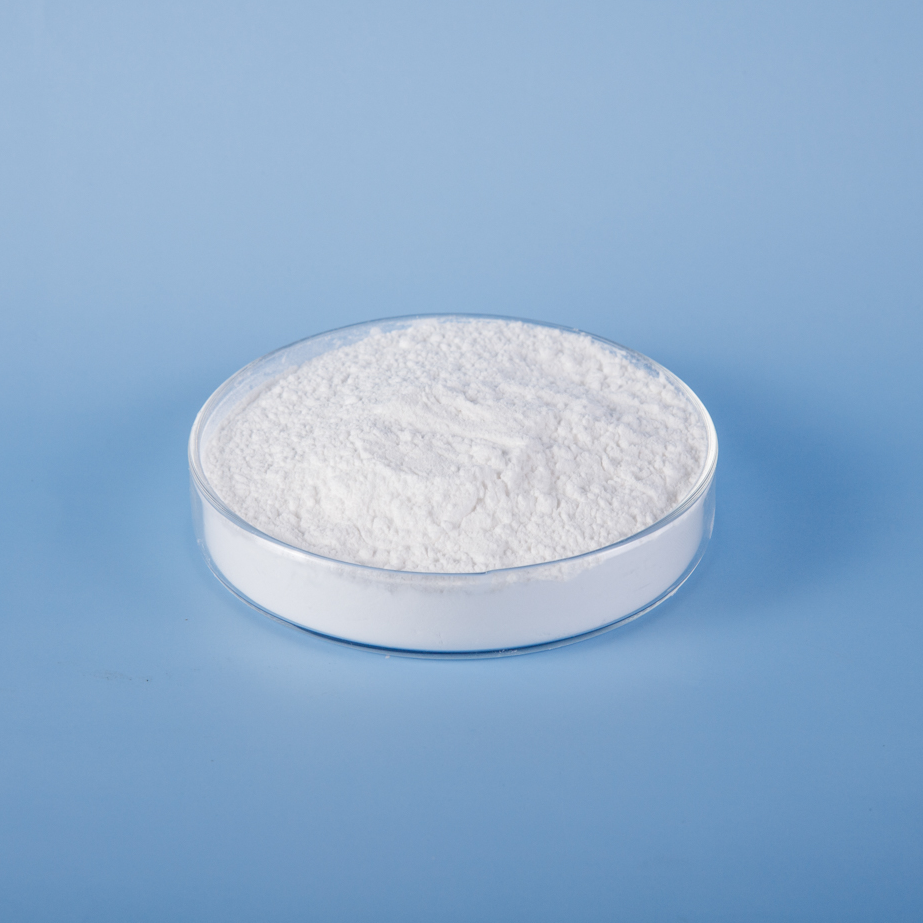
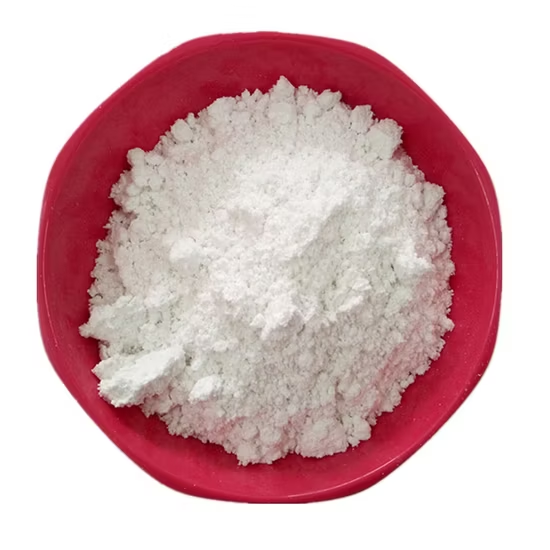
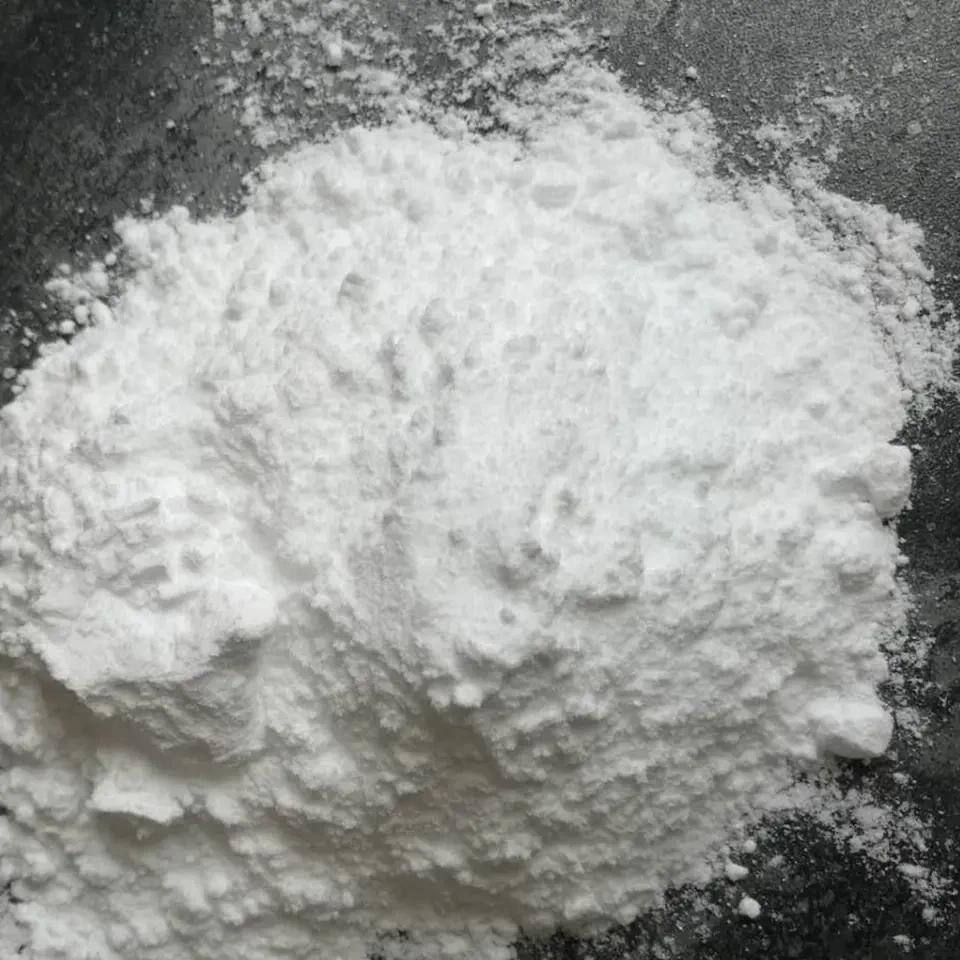
BPS is a synthetic organic compound that, like BPA, is used in the production of plastics and resins. It’s chemically similar to BPA and was widely adopted as its primary substitute in plastics, especially in products marketed as “BPA-free.”
Where you’ll find BPS:
- “BPA-free” plastic containers and water bottles: Many products that proudly declare themselves “BPA-free” simply contain BPS instead.
- Food can linings: Just like BPA, BPS can leach into food and beverages from can linings.
- Thermal paper receipts: This is one of the most significant exposure routes. The powdery coating on receipts that makes them inkless often contains BPS (or sometimes the equally concerning BPF).
- Adhesives and sealants: Used in various industrial and consumer products.
- Some personal care products.
The “BPA-Free” Myth: A Regrettable Substitution
For years, consumers breathed a sigh of relief, often paying a premium for products emblazoned with the “BPA-free” label. The problem? This enthusiastic switch was often made without thorough independent safety testing of the substitutes. Scientists and environmental health advocates refer to this as a “regrettable substitution” – replacing one harmful chemical with another that turns out to be just as, or even more, problematic.
The assumption that “different chemical = safer” has proven to be a dangerous oversimplification.
The Science Speaks: Why BPS is Concerning
Research over the past decade has increasingly painted a concerning picture of BPS, showing that it shares many of BPA’s endocrine-disrupting properties.
- Endocrine Disruptor: Like BPA, BPS is an endocrine-disrupting chemical (EDC). This means it can mimic or interfere with the body’s natural hormones, disrupting the delicate balance of the endocrine system.
- Hormonal Interference: Studies have shown BPS can interfere with estrogen, androgen, and thyroid hormones, even at very low doses.
- Reproductive Health: Research links BPS exposure to potential impacts on fertility, reproductive development, and sperm quality.
- Metabolic Issues: Some studies suggest a connection between BPS exposure and metabolic disorders, including obesity and type 2 diabetes.
- Brain Development and Behavior: Emerging research indicates BPS may affect brain development and function, potentially contributing to behavioral changes and neurological issues.
- Cellular Damage: BPS has been shown to induce cellular damage and alter gene expression in various studies.
The similarity in chemical structure between BPA and BPS means they often interact with the same hormonal receptors in the body, leading to similar adverse effects.
How Are We Exposed?
The ubiquitous nature of BPS means exposure is common and often hard to avoid:
- Diet: Eating food and drinks stored in “BPA-free” plastic containers or canned goods lined with BPS-containing resins.
- Skin Contact: Handling thermal paper receipts is a major route. The chemical can absorb directly through the skin, and even more so if your hands are wet or oily.
- Dust: BPS can leach from products into household dust, which can then be ingested or inhaled.
What Can You Do? Practical Steps to Reduce Your Exposure
While avoiding BPS entirely is challenging in our modern world, you can significantly reduce your exposure with conscious choices:
- Opt for Glass, Stainless Steel, or Ceramic: Whenever possible, choose food and beverage containers made from these materials instead of plastic.
- Say No to Printed Receipts (When Possible): Decline thermal paper receipts, opt for email receipts, or use mobile payment systems.
- Wash Your Hands Immediately After Handling Receipts: If you must handle thermal paper, wash your hands thoroughly with soap and water afterward. Avoid touching your mouth or food before washing.
- Choose Fresh and Frozen Over Canned: Minimize your intake of canned foods and drinks.
- Be Wary of “BPA-Free” Labels: Understand that “BPA-free” doesn’t guarantee safety. Look for products made from materials known to be free of all bisphenols (like glass or stainless steel).
- Avoid Microwaving Plastics: Heat can accelerate the leaching of chemicals from plastic into food.
- Support Companies Committed to Safer Alternatives: Seek out brands that are transparent about their materials and actively working to avoid all regrettable substitutions.
The Bottom Line
The story of BPS is a stark reminder that labels can be misleading, and true safety requires thorough, independent scientific scrutiny, not just a quick swap. While BPS was introduced as a “safer” alternative to BPA, the science increasingly shows that it’s another chemical we should be actively avoiding.
By being informed and making conscious choices, we can reduce our personal exposure and collectively demand better, truly safer materials from manufacturers. Don’t let “BPA-free” lull you into a false sense of security; stay vigilant for the hidden chemicals that might be lurking within.


Reviews
There are no reviews yet.