


Description
- Product Overview
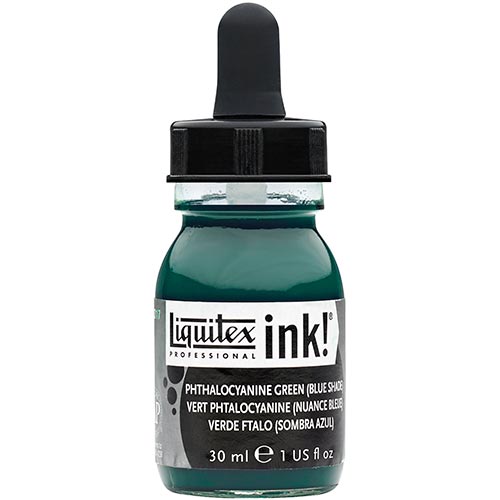
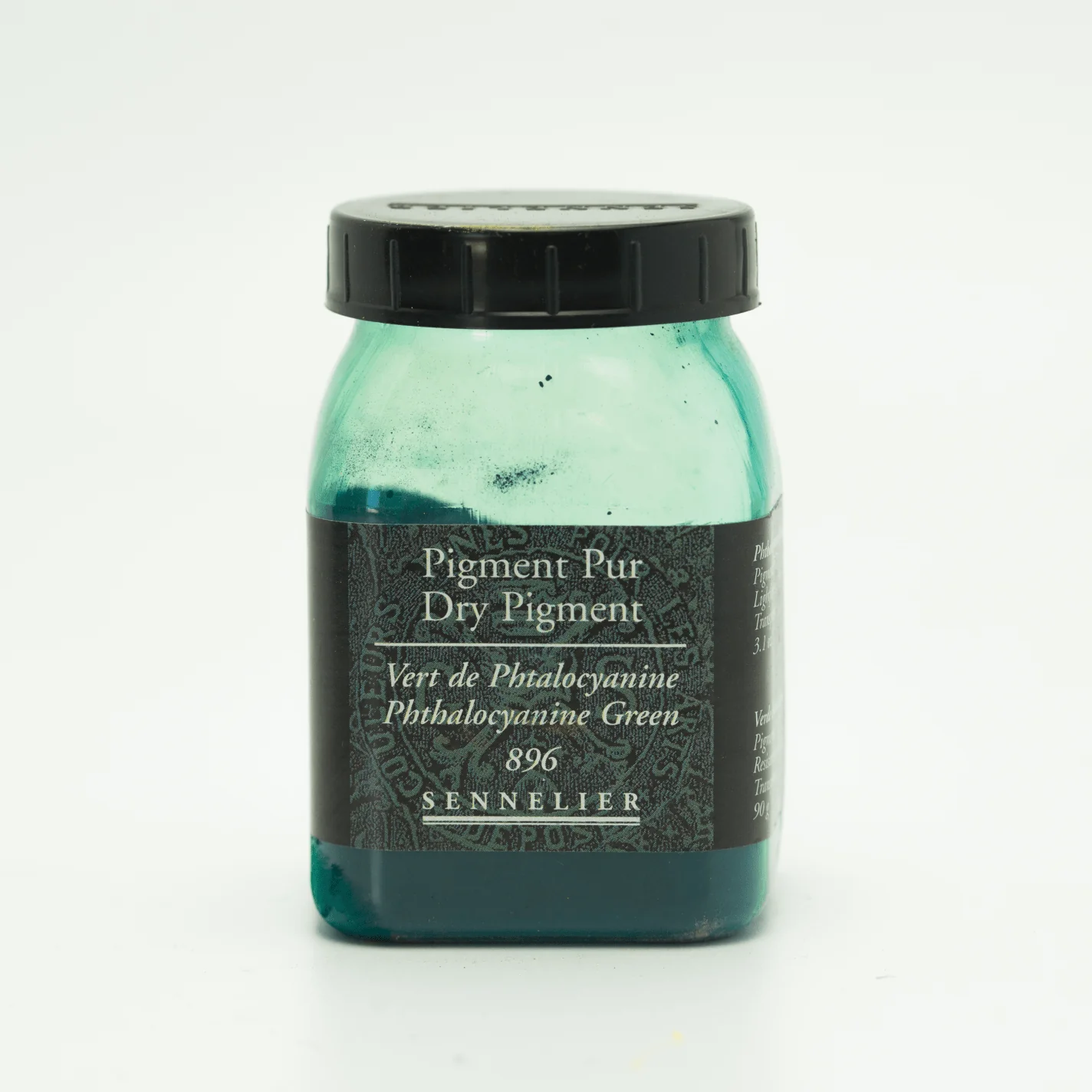
Phthalocyanine Green is a high-performance organic pigment widely used in industrial coloration systems requiring exceptional stability and color strength. It is primarily applied in coatings, plastics, inks, and specialty polymer formulations where long-term durability and resistance to environmental degradation are critical. The product delivers superior tinting strength, excellent chemical resistance, and outstanding lightfastness, making it a preferred choice for demanding industrial applications. Strategically, Phthalocyanine Green plays a vital role in high-value manufacturing sectors seeking consistent coloration performance and long lifecycle stability in finished products. - Key Specifications & Technical Characteristics
- Chemical Composition: Copper Phthalocyanine Green (Chlorinated Phthalocyanine derivative, Pigment Green 7 / Pigment Green 36 variants depending on grade)
- Purity/Grade: Industrial grade / High-performance pigment grade (≥ 95% active pigment content typical)
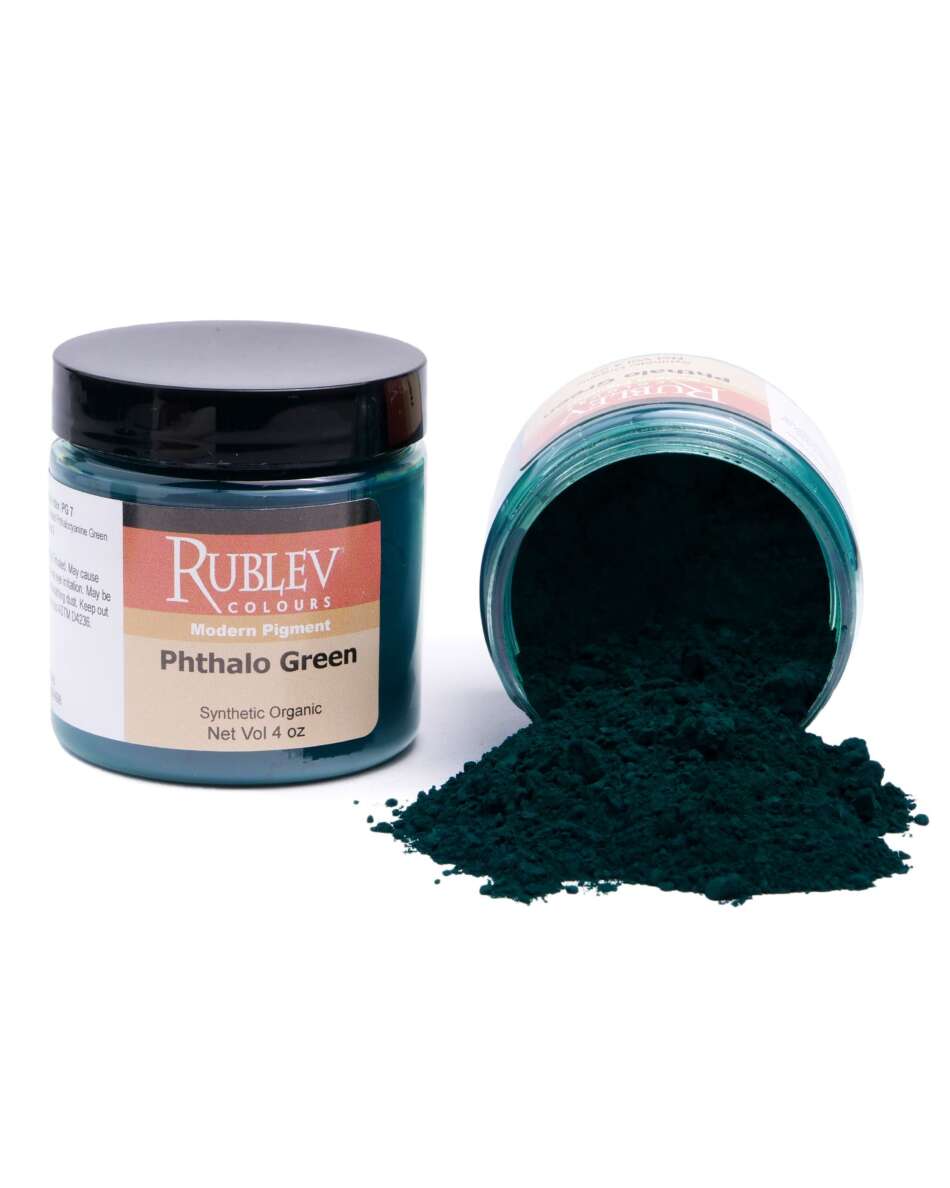
- Physical Form: Fine powder
- Color Index: Pigment Green 7 (PG7) / Pigment Green 36 (PG36)
- Particle Size: Typically 0.05 – 0.2 microns (adjustable by grade for dispersion performance)
- Density: Approx. 1.7 – 2.0 g/cm³
- Oil Absorption: Medium to high, depending on surface treatment
- Heat Resistance: Up to 280–300°C (application dependent)
- Lightfastness: Excellent (8/8 scale)
- Packaging Options: 25 kg fiber drums, 500 kg jumbo bags, customized bulk packaging
- Shelf Life: 24–36 months under recommended storage conditions (cool, dry, sealed environment)
- Core Industrial Applications
Phthalocyanine Green is extensively used across coatings, plastics, printing inks, and construction materials industries. In coatings, it provides durable coloration for automotive finishes, industrial paints, and protective coatings where weather resistance is essential. In plastics, it is used for coloring PVC, PE, PP, and engineering polymers requiring long-term UV stability and non-fading performance. In printing inks, it ensures high color density and sharp tone reproduction for packaging and publication-grade outputs. Compared to conventional organic pigments, it offers superior chemical stability, higher tinting strength, and longer service life under harsh environmental conditions, reducing the need for frequent reprocessing or recoloring. - Competitive Advantages
- High color strength with excellent dispersion properties for efficient formulation use
- Consistent batch-to-batch quality ensuring reliable industrial production performance
- Strong supply chain reliability supporting large-scale continuous manufacturing requirements
- Cost-effective performance through low dosage requirements and high tinting efficiency
- Excellent environmental stability including UV, heat, and chemical resistance
- Available technical documentation including COA, MSDS, and application guidance
- Global logistics support enabling efficient bulk shipping and just-in-time supply strategies
- Commercial & Supply Information
- Minimum Order Quantity (MOQ): BULK 20 MT
- Loading Capacity: Up to 20–25 MT per 20ft container depending on packaging configuration


Reviews
There are no reviews yet.