
Description
- Product Overview
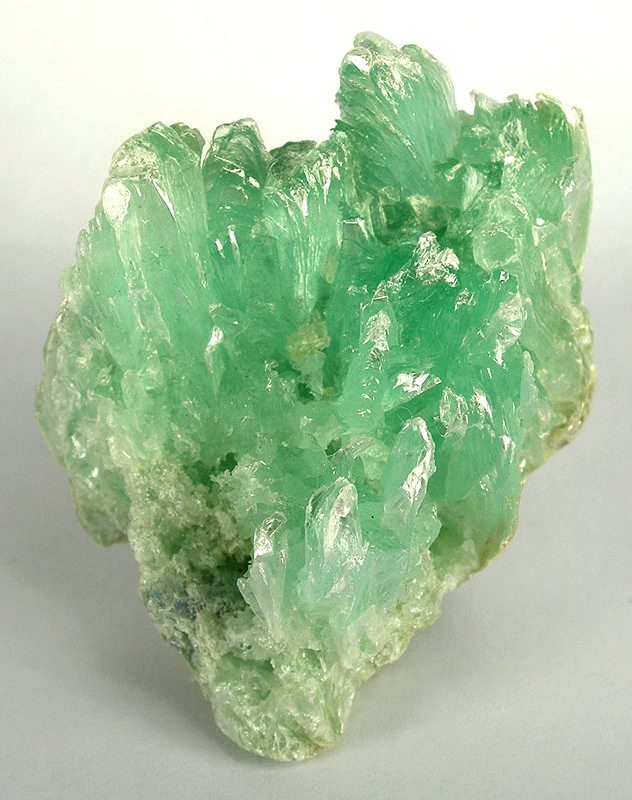
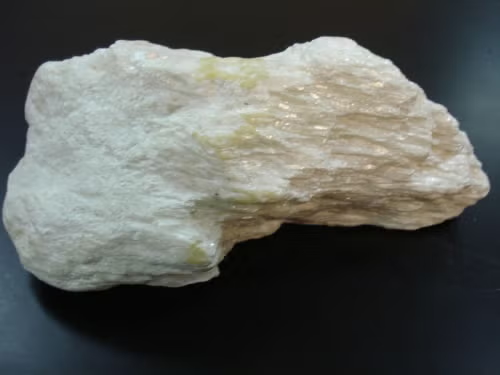
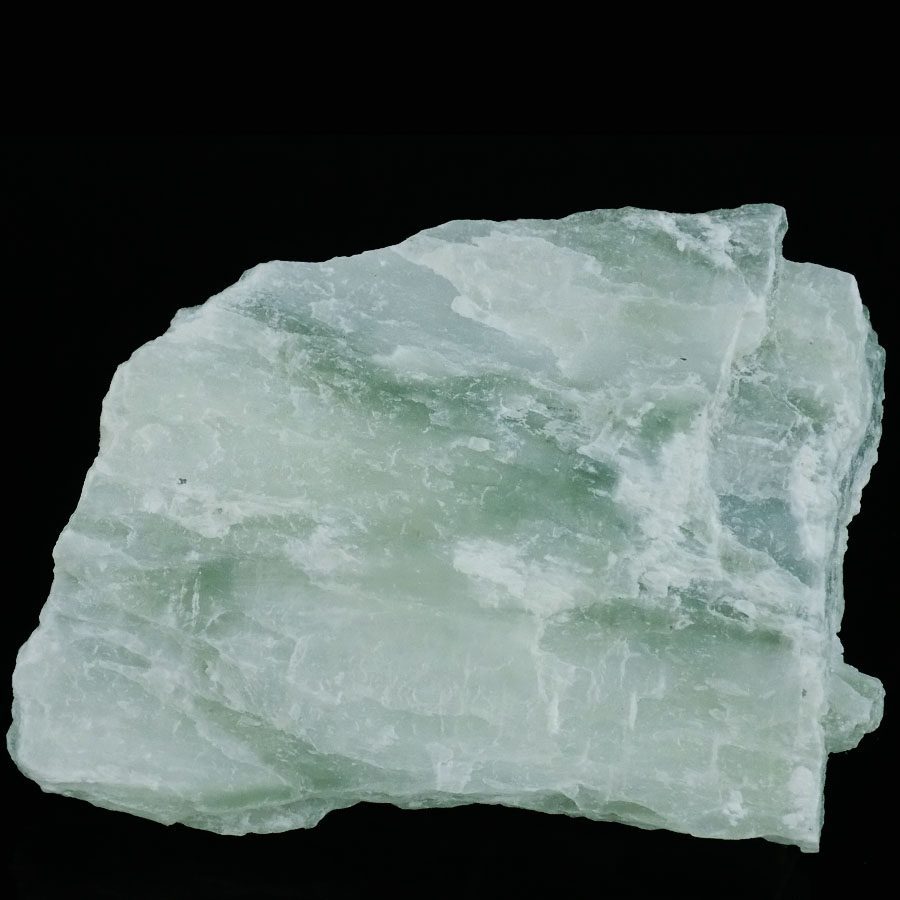
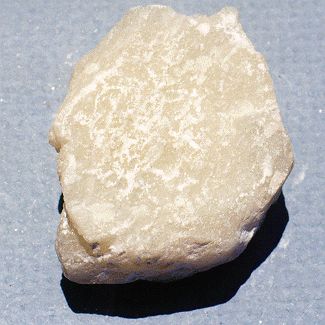
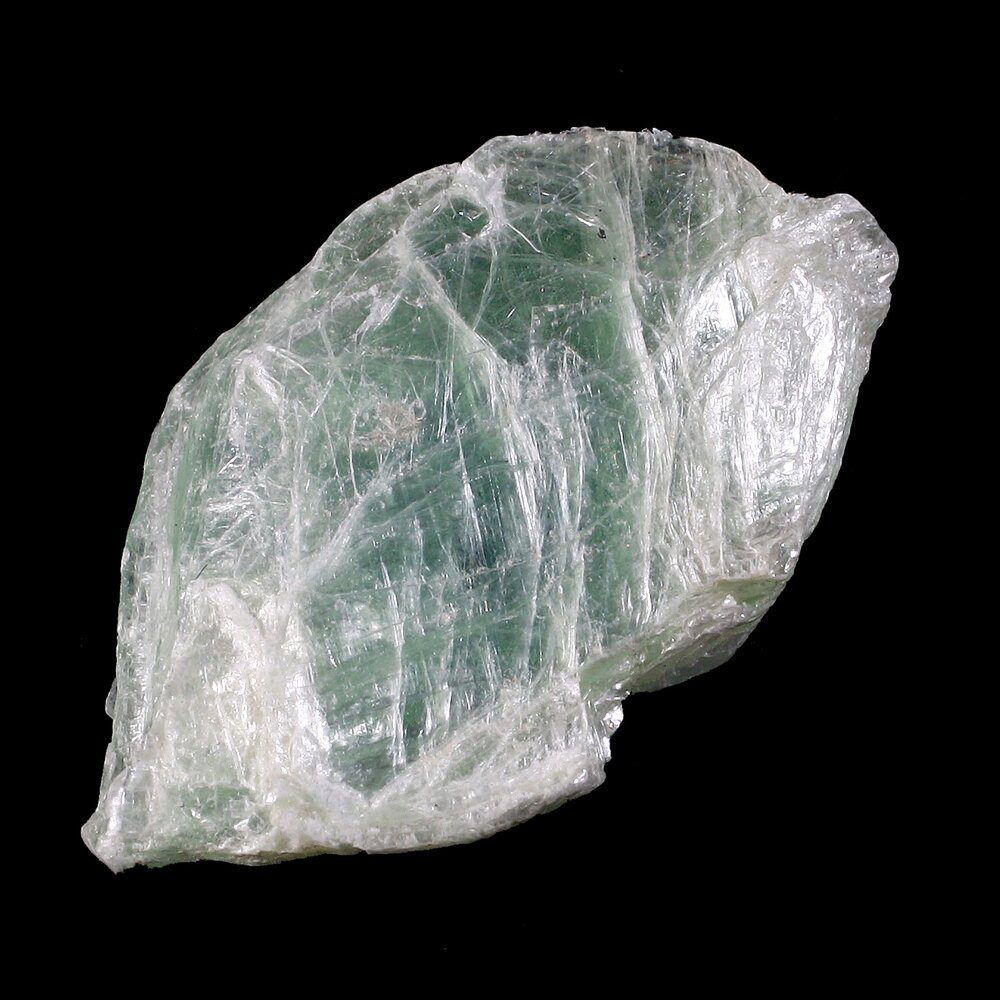
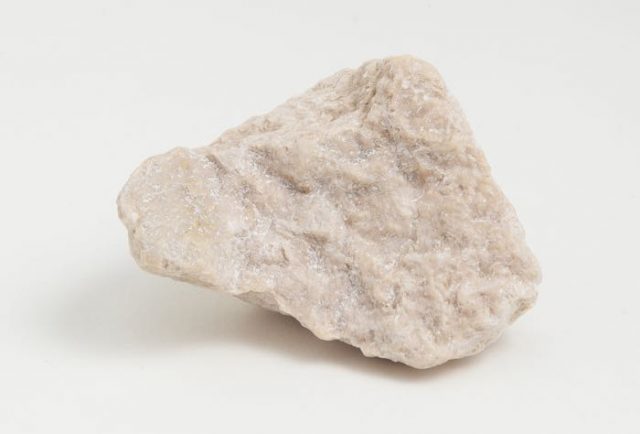
Talc is a naturally occurring hydrated magnesium silicate widely utilized across industrial manufacturing due to its exceptional softness, chemical inertness, and functional versatility. It serves as a critical additive in plastics, paints, ceramics, paper, rubber, and cosmetics, enhancing product performance and processing efficiency. Its value proposition lies in its ability to improve mechanical properties, reduce production costs, and optimize surface finish quality. As a strategic industrial mineral, talc plays a key role in enabling high-performance formulations across multiple global value chains. - Key Specifications & Technical Characteristics
- Chemical Composition: Magnesium Silicate Hydroxide (Mg₃Si₄O₁₀(OH)₂)
- Purity Level / Grade: Industrial Grade / High Purity Options (up to 99%+)
- Physical Characteristics: Fine powder, white to off-white color, smooth texture
- Particle Size: Typically 200 mesh to 5000 mesh (customizable)
- Density: ~2.7–2.8 g/cm³
- Moisture Content: ≤ 0.5–1.0% (depending on grade)
- Packaging Options: 25 kg bags, 50 kg bags, jumbo bags (1 MT), bulk vessel shipment
- Shelf Life: Stable under dry storage conditions; unlimited when properly stored
- Core Industrial Applications
Talc is extensively used in plastics to improve stiffness, heat resistance, and dimensional stability, making it indispensable in automotive and packaging industries. In paints and coatings, it enhances opacity, smoothness, and anti-corrosion properties. The paper industry relies on talc for improved printability, brightness, and ink absorption control. In ceramics and rubber manufacturing, it functions as a processing aid, reducing friction and improving product durability. Compared to alternative fillers, talc delivers superior cost efficiency, consistent dispersion, and enhanced surface finish performance. - Competitive Advantages
- High and consistent mineral purity ensuring reliable industrial performance
- Stable global supply chain with scalable production capacity
- Efficient logistics network supporting bulk international shipments
- Cost-effective filler solution reducing overall formulation costs
- Environmentally compliant sourcing and processing standards
- Strong technical documentation and application support for industrial buyers
- Superior whiteness and particle uniformity compared to competing minerals
- Commercial & Supply Information
- Minimum Order Quantity (MOQ): BULK 20 MT
- Loading Capacity: Approximately 20–25 MT per 20FT container (depending on packaging format)
Reviews
There are no reviews yet.